March 19, 2024
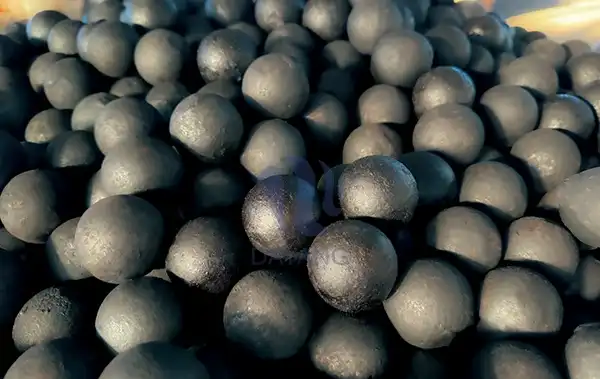
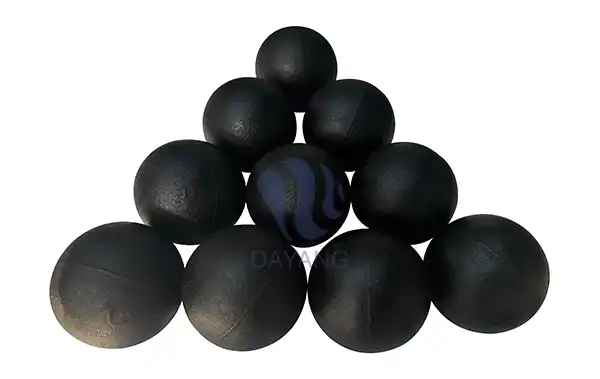
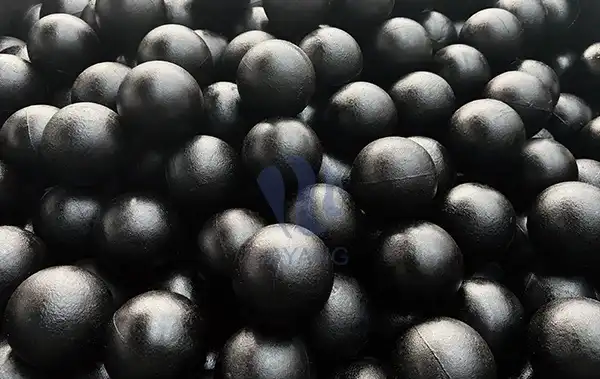
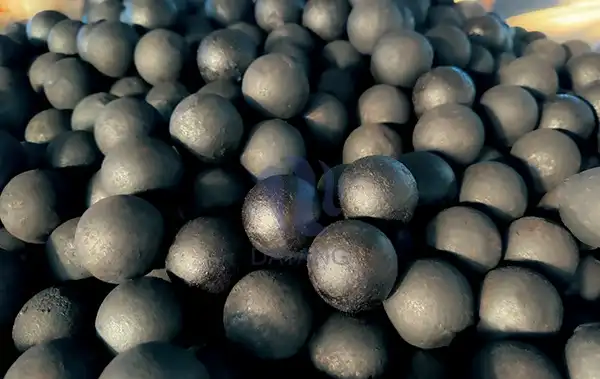
Deployed in a cement clinker grinding mill, these high-chromium cast grinding balls feature stable hardness and low breakage. They help us maintain consistent grinding output and lower long-term consumable costs.
Nov 27, 2026
To choose 8-120mm low-chrome cylpebs for a ball mill, start with your mill data and match the size range to feed size and target fineness. Then check hardness, impact toughness, and size consistency against written grades such as ZDCr5-8 and ZDCr2. Compare price on a landed cost basis, not on price per ton alone, and ask for test data, batch records, and a trial order before you place volume orders. We wrote this guide for distributors and buyers who want steady quality, fewer customer complaints, and clear numbers before a bulk purchase.
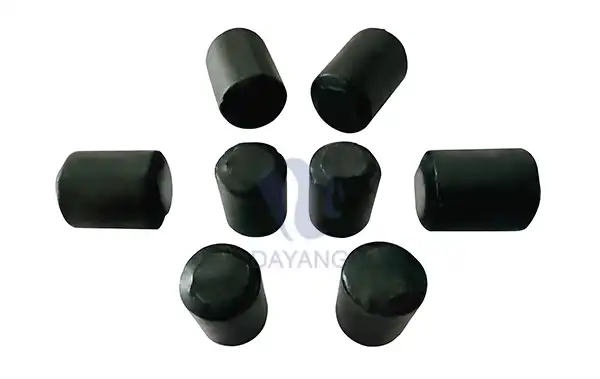
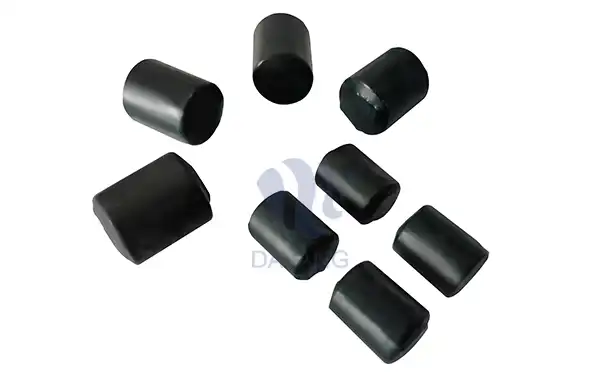
Low-chrome cylpebs are cylindrical grinding media made from alloy steel or cast iron with a controlled chromium content. Unlike round balls, a cylinder touches the material along a line or a flat face. That larger contact area supports efficient grinding, which can shorten processing time and cut energy use in suitable mills. Performance still depends on chemistry, heat treatment, and microstructure, so the words "low-chrome" alone do not describe a product. We always suggest asking for a named grade, a chemical analysis, and hardness data before you compare offers. Those three items show whether two quotes cover the same material or two very different ones.

NINGHU supplies two published grades of low-chrome grinding cylpebs. ZDCr5-8 reaches HRC 47 or higher, carries an impact value of at least 2.0 J/cm², and has a pearlite plus carbide structure. ZDCr2 reaches HRC 45 or higher with an impact value of at least 2.0 J/cm². Both grades come from a controlled low-chrome alloy composition and heat treatment, which supports consistent hardness, size, and shape. For cement and limestone customers who watch cost closely, these two grades give a clear starting point for a specification sheet. Copy the minimum values into your purchase request so the supplier confirms them in writing.
The strongest fit for low-chrome cylpebs is cement and building-material grinding, where the work is steady and cost per ton matters. NINGHU lists more applications: ore grinding and mineral processing, coal pulverization in thermal power plants, chemical processing, and the production of construction materials such as concrete and asphalt. Very abrasive duty, such as some hard ore circuits, may justify a higher chromium grade. Match the grade to the job instead of defaulting to the cheapest option. In multi-chamber cement mills, cylindrical media often work in the finer grinding chamber, while larger media handle the coarse chamber. Check your own mill layout before you decide.
Size selection begins with three numbers: the coarsest feed particle, the inside diameter of the mill, and the fineness you must reach. Larger media deliver more impact energy and suit coarse feed or the first chamber. Smaller media supply more contact points and suit fine grinding and regrinding. Bond's grinding studies link the largest media size to feed size, material hardness, mill speed, and mill diameter, so a formula gives a sound first estimate. Treat the 8-120mm range as a menu of options, not a single answer. When you pick low-chrome cylpebs, write down your mill data first, then ask the supplier to propose a size range.
Cylinder dimensions can confuse buyers because a supplier may quote diameter, length, or both. Ask for each figure and its tolerance in writing, and agree on how the supplier measures them. Next, decide whether you will buy single sizes or a mixed charge. A mixed charge covers a range of particle sizes, while single sizes give you simple stock control. A short list of fast-moving sizes usually keeps inventory costs down, yet some customers need the full range. Ask us which sizes are available now and which need production time, then plan your stock around real demand.
No chart replaces a trial in your own mill. Run the new low-chrome cylpebs for a set period, record mill power, product fineness, throughput, and media top-up rates, and compare them with your current charge. We suggest one to three months before you sign a larger agreement. Keep the sample size and charge pattern the same throughout so the results mean something. Share those results with us, and we can adjust the size mix for the next order. Good records also help you answer customer questions quickly if a complaint arrives.
Hardness shows resistance to abrasion, but toughness shows how well a cylpeb resists cracking under impact. A very hard piece that breaks early costs more than a slightly softer piece that lasts. Ask the supplier to state the test method, since ASTM E18 defines Rockwell hardness testing, and to state where the sample was measured. Surface-only readings may not match core hardness. Density affects charge weight and impact energy, and wear data matters most when it comes from conditions like yours. NINGHU's ZDCr5-8 and ZDCr2 grades publish both hardness and impact minimums, which makes side-by-side comparison easier.
Compare every option under the same feed, mill, and fineness target. High-chrome media typically offer more wear resistance in highly abrasive service, though they usually cost more per ton. Forged steel balls handle heavy impact loads well. Grinding rods belong in rod mills and do not replace ball-mill media. Low-chrome cylpebs fit steady cement and limestone grinding, where a balance of cost and wear life matters. Judge the choice by cost per ton of product, not cost per ton of media. Wear rate, downtime, freight, and replacement all belong in that figure.
Consistent hardness and shape start in the foundry. NINGHU produces low-chrome cylpebs on automated lines under ISO9001 quality control, with an annual capacity of 50,000 tons, and the company has more than thirty years of wear-resistant materials production history. When you audit any supplier, ask about alloy control, casting, heat treatment, and inspection steps across each size. Request chemical analysis, hardness records, and dimensional checks tied to production batches, because batch traceability lets you follow a customer complaint back to its source. ISO 9001 covers the quality management system and does not replace product test data, so ask for both.
A low quote can hide costs. Put every offer on the same basis: grade, size, tolerance, Incoterm, packing, lead time, minimum order quantity, and replacement terms. Then add ocean or inland freight, port fees, and currency effects to reach a landed price. For US buyers, remember that one metric tonne equals about 1.102 short tons, so confirm which unit each low-chrome cylpebs quote uses. Freight and exchange rates can erase a thin margin, so ask how long the quotation stays valid. Finally, factor in media consumption, because a slightly higher price can win if wear life is longer.
A capable low-chrome cylpebs manufacturer should show stable production, controlled composition, testing equipment, and export experience. NINGHU offers customization, a global distribution network, and responsive customer support. Ask for a technical datasheet, certificate of analysis, hardness and dimensional reports, packing details, and export documents before you pay a deposit. Also ask about monthly capacity, lead time, and how the supplier handles complaints. Our services cover three stages: pre-sales requirement review, in-sales production updates and delivery coordination, and after-sales usage tracking and technical support. Those steps keep you informed from quote to usage.
A first order of one container lets you check quality without tying up cash. Agree on the trial length, sampling method, acceptance limits, and reporting before production starts, and confirm the minimum order quantity in writing for each size. After a stable run of one to three months, you can move to a quarterly supply agreement with set prices and delivery dates. A steady schedule also helps you hold less stock, which frees working capital. Keep a retained sample from each batch so you can compare hardness and size later.
The most common mistake is buying on price alone. Cheaper media can wear faster, need more top-ups, and cause downtime. A second mistake is copying a size list from another plant without checking mill diameter, liner design, and feed. A third is trusting a hardness number without the test method, since surface-only readings can mislead. Batch-to-batch hardness swings cause many customer complaints, so ask for batch records and keep samples. Skipping a trial order is the last mistake, and it often costs the most. Written acceptance limits and replacement terms protect you before production starts.
Cast media can chip or crack under rough handling, and wet weather adds risk at ports and on inland roads. Agree on packing type, container loading method, and moisture protection in the purchase order. Inspect the first delivery on arrival, photograph any damage, and report it within the agreed claim period. Store cylpebs on dry, level ground or pallets under cover, and keep sizes separate so mixed lots do not reach the wrong customer. These small steps cut disputes and protect your margin when freight costs are already high.
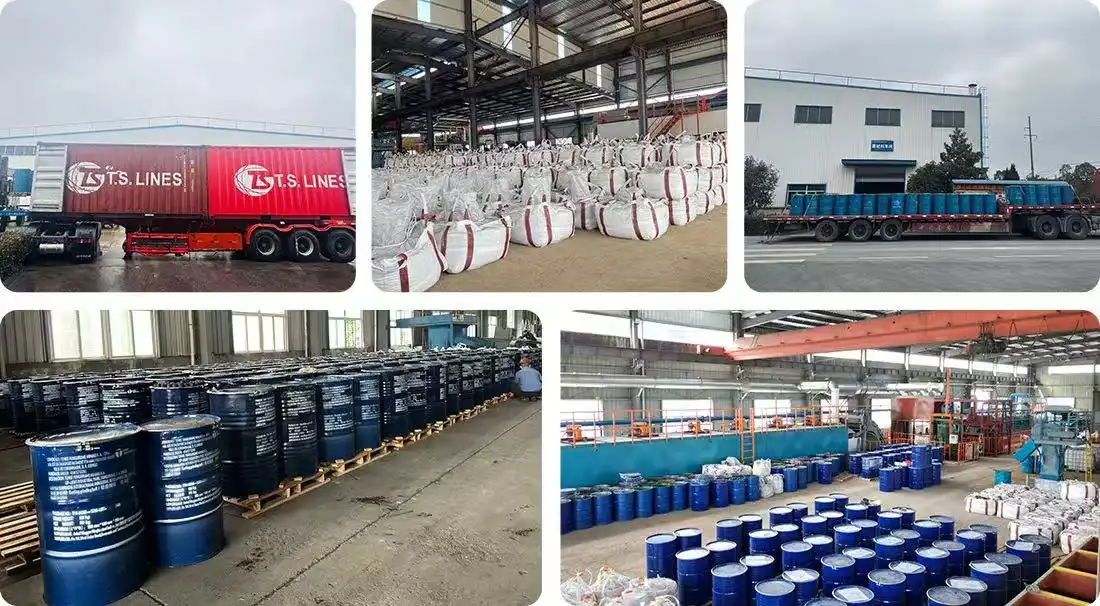
Here is a short checklist to confirm before you pay a deposit.
A finished checklist helps your purchasing, finance, and warehouse teams approve the same specification.
Choosing 8-120mm low-chrome cylpebs works best as a sequence: define the mill, feed, and target fineness first, then select a size range and a named grade. Hardness, impact toughness, density, and wear data should be read together, and test methods and batch records make those numbers trustworthy. High-chrome media, forged balls, and rods suit different duties, so cost per ton of product gives the fairest comparison, and landed cost shows the real price of a quote. Supplier checks, a controlled trial, and written acceptance terms lower the risk of breakage, hardness swings, and customer complaints. A buyer who matches size, grade, and documentation to the actual mill will spend less on wear, downtime, and returns than one who buys on price alone.
Match size to feed size, mill diameter, liner design, and target fineness. Coarse chambers usually take larger media, while fine chambers take smaller media. Treat any size chart as a starting point, then confirm it with a trial in your own mill.
ZDCr5-8 reaches HRC 47 or higher, and ZDCr2 reaches HRC 45 or higher. Both grades carry an impact value of at least 2.0 J/cm². Ask us for current test data when you send your inquiry.
Neither wins in every case. High-chrome media usually resist wear better in highly abrasive service, while low-chrome grades often balance cost and performance in steady cement grinding. Compare both by cost per ton of product.
Send your mill size, feed material, target fineness, preferred size and grade, quantity, destination, and packing needs.
Send your mill size, feed material, target fineness, and expected tonnage to NINGHU at sales@da-yang.com or sunny@da-yang.com. As a low-chrome cylpebs manufacturer with more than thirty years of wear-resistant materials experience and ISO9001 quality control, we will recommend a grade and size range, then discuss samples and a trial order. Visit nhgrindingball.com for product details.
March 19, 2024
Deployed in a cement clinker grinding mill, these high-chromium cast grinding balls feature stable hardness and low breakage. They help us maintain consistent grinding output and lower long-term consumable costs.
June 24, 2025
Used in a copper-ore wet-grinding ball mill, the grinding balls show durable wear resistance under non-stop 24-hour operation. Stable grinding performance reduces frequent mill inspections for abnormal ball damage.
August 12, 2025
Used in an iron-ore grinding mill, these high-chromium cast grinding balls maintain uniform hardness from batch to batch. They withstand sustained heavy-load impacts well with minimal breakage, and reliable wear performance keeps our throughput steady over long operating cycles.
October 07, 2025
Adopted for a gold-ore grinding mill, these high-chromium cast balls have evenly distributed hardness. They hold up well under complex abrasive conditions, and their consistent wear profile helps us achieve fine, uniform particle size throughout service.
January 15, 2026
Applied in a limestone grinding production line, the cast steel balls perform reliably under fluctuating load conditions. Well-balanced wear characteristics effectively cut down unplanned downtime.