


March 19, 2024
Deployed in a cement clinker grinding mill, these high-chromium cast grinding balls feature stable hardness and low breakage. They help us maintain consistent grinding output and lower long-term consumable costs.
Nov 16, 2026
Grinding balls are an important part of grinding balls industrial milling because they directly affect the finished product's particle size distribution, surface area, and quality as a whole. Choosing the right milling media affects not only how well size reduction processes work, but also how uniform, contaminated, and what the physical qualities of the materials are that have been treated. This is true in mining, cement making, power generation, and metallurgy.
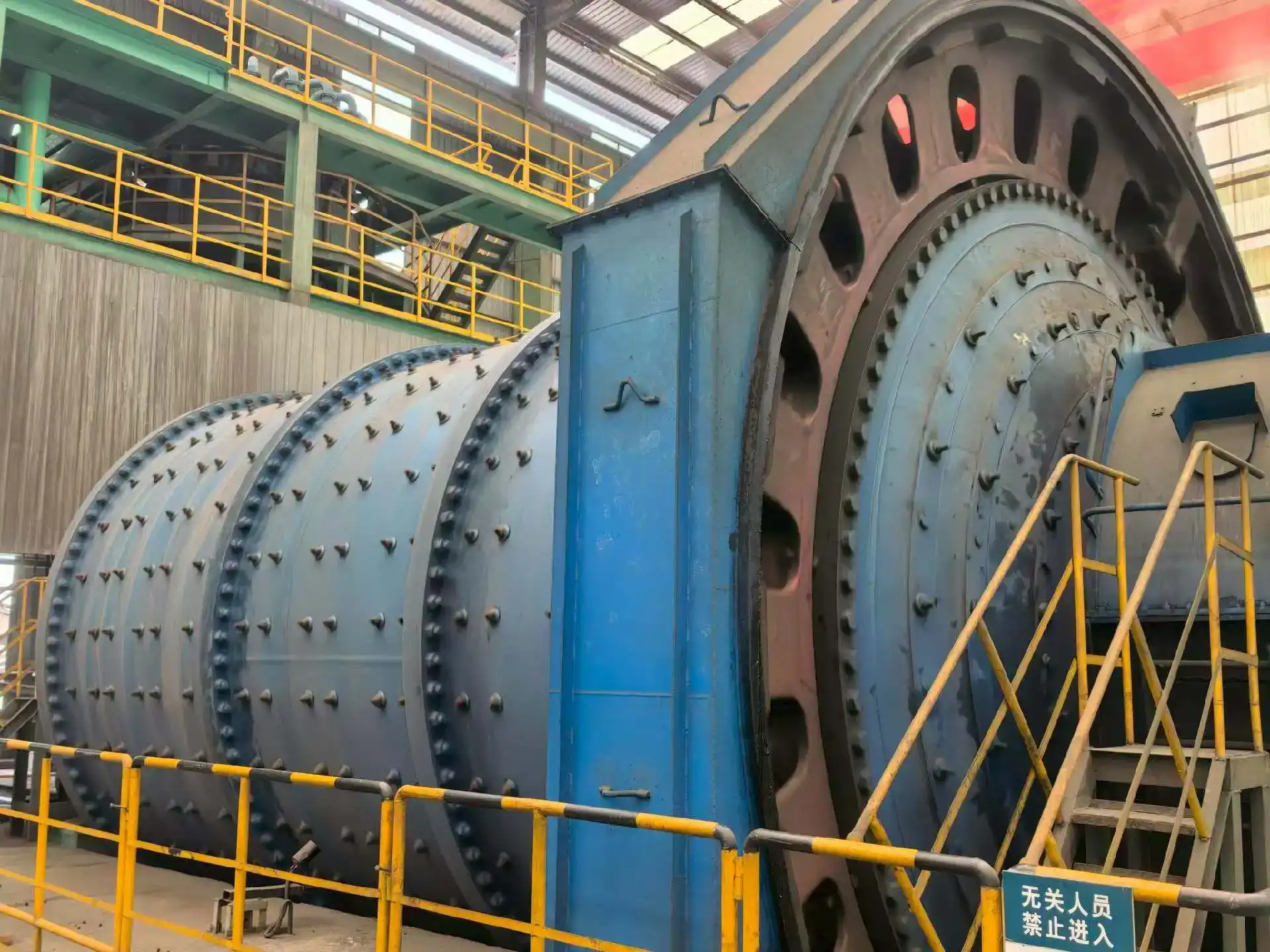
A lot of the work that goes into industrial milling depends on the mechanical action of grinding balls to get accurate material reduction and even particle size distribution. These spherical media move kinetic energy around through contact and wear-and-tear forces, breaking down raw materials to the specs needed while keeping the purity of the product.
Milling media do a lot more than just reduce the size of things being ground. Using good grinding media in ball mills makes the best impact patterns, which create the forces needed to break materials along their natural grain limits. This controlled breaking process keeps the crystalline structure of the materials that are being worked on. This is especially important in the production of cement, where the hydration properties depend on the surface properties of the particles. To meet strict quality standards, modern grinding processes need to have exact control over how the particle sizes are spread out. The consistency of a product is directly related to the uniformity achieved by choosing the right media. This affects everything from the strength of concrete in building materials to the efficiency of extraction in mines.
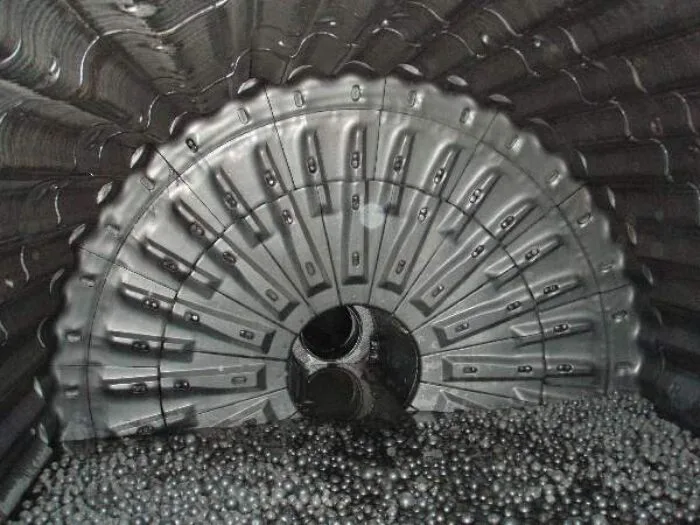
Depending on the needs of the product, different types of grinding media have different benefits. High chrome cast iron balls, which usually have 10 to 20 percent chromium in them, are very hard and don't break down easily. Their hardness values are between 58 and 65 HRC. Because of these qualities, they work great for grinding cement where contamination needs to be kept to a minimum and service life needs to be kept long. Forged steel balls are the best for grinding because they are more resistant to impact and have a uniform hardness spread throughout the structure. Controlled forging methods create a microstructure that is uniform. This makes sure that wear patterns are known and that grinding works well for longer periods of time.
For the best grinding results, you need to carefully consider how the different sizes of media are distributed in the mill charge. According to research, a well-graded media charge with a width of 25mm to 125mm provides multiple impact zones that make grinding more efficient across a range of particle sizes. When it comes to multi-compartment mills used to make cement, the link between media size and end product quality is especially clear. In the first compartment, bigger balls break down the coarse material, while in later sections, smaller media do the fine grinding that is needed for the right cement fineness.
In order to choose the right grinding media, you need to know how different types of balls work in different situations and how they affect the end result.
Steel grinding media is used most often in industry because it is reliable and has a great cost-performance ratio. When it comes to impact protection, forged steel balls are better than cast options. They stay around longer, grinding balls and grinding more consistently over their service life. Ceramic grinding media is a smaller market niche, but it works great in situations where iron poisoning is not a problem. High-alumina ceramic balls are especially useful in mineral mining processes where product purity is very important, but their higher cost keeps them from being widely used.
The ability of high-chrome grinding balls in the cement production process is outstanding. The chromium presence makes the material more resistant to wear while still being tough enough to handle repeated impact loads. In normal cement grinding circuits, high chrome balls can last 30 to 40 percent longer than standard carbon steel balls, according to tests done in the lab. When high chrome balls are made, they go through advanced heat treatment methods that make a martensitic microstructure that gives the best distribution of hardness. The upper surface has the highest level of wear resistance, and the core is still tough enough to keep it from breaking in a catastrophic way when hit hard.
Modern surface treatments improve the efficiency of grinding media while reducing contamination worries. Specialized coating technologies can cut down on metal pickup in processed materials by as much as 60%. This is especially important in the food and drug industries, where strict rules about product safety are in place. These high-tech finishes also help media last longer by preventing surface rust and giving extra protection against wear. Investing in fine coated media usually pays off because it needs to be replaced less often, and the quality of the finished result is more consistent.
When buying grinding media, you have to weigh a lot of technical and financial factors to get the best total cost of ownership while still meeting quality standards.
When choosing grinding media, hardness is the most important factor, and the best ranges depend on the purpose. For grinding cement, the media needs to be between 55 and 65 HRC. In mining, on the other hand, slightly lower hardness values may be better because they make the media more resistant to impact. The roundness and surface finish of the balls have a big effect on how well they grind and how they wear. Premium production methods achieve roundness limits within 1% to 2% of perfect spherical geometry. This makes sure that the mill charge has consistent contact patterns and wear that is spread out evenly.
When mining rough ores, the grinding media needs to be very resistant to pressure and have controlled wear properties. It is important that the grinding process gets rid of valuable minerals as quickly as possible while avoiding over-grinding, which can hurt the separate processes that come after. For making cement, you need grinding media that can control the fineness very precisely while keeping contamination levels low. The Blaine sharpness of finished cement has a direct effect on how well concrete works, so it's important that the grinding action is always the same to get a good result.
Reliable suppliers keep strict quality control systems in place for all of their products. These systems include checking the dimensions and chemical makeup of each batch, as well as trying the mechanical properties. ISO 9001 certification is a good starting point for assurance, but for important uses, you may need extra certifications specific to your business. Because most grinding ball processes happen all the time, supply chain dependability becomes even more important. Qualified providers make sure they have enough inventory and transportation skills to keep operations running smoothly and offer expert help for efforts to improve efficiency.
To get the most out of grinding media, you need to pay attention to how it is made, how it is used, and how it is monitored on a regular basis.
These days, complex mechanical methods are used to make grinding balls that are always of the same quality and performance. Controlled cooling rates during heat treatment make microstructures that meet the needs for both hardness and stiffness. Automated production systems make sure that all batches of the same product have the same chemical makeup and mechanical qualities. Statistical process control methods keep an eye on important factors during production, finding changes that might affect the quality of the product before they do.
Systematic tracking of mill performance measures lets you plan maintenance and media replacement ahead of time. By looking at the wear patterns of grinding media on a regular basis, you can learn more about how the mill is working and find ways to make the process better. The right way to charge the mill and use the grinding aid can make the media last longer and grind more efficiently. Research shows that running a mill more efficiently can cut energy use by 15 to 20 percent while keeping the quality of the result the same.
Case studies from large cement companies show the real benefits of choosing high-quality grinding media. Through smart media upgrades and mill optimization, one facility cut its specific energy use by 25% while also improving the regularity of the cement's fineness. Mining companies report similar benefits, with a better selection of grinding media leading to higher material release and concentrate grades. These changes directly lead to higher profits because the products are worth more and the costs of handling them are lower.
To find reliable grinding media providers, you need to carefully look at their production skills, quality systems, and expert support services.
Established companies like NINGHU use their decades of experience making materials that don't break down easily to make constant, high-quality grinding balls for a wide range of industrial uses. Modern production facilities allow for precise control over metalworking processes while keeping prices low by being more efficient. When choosing a supplier for large-scale activities, manufacturing ability and regional distribution skills play a role. Suppliers with a global reach can give responsive technical support and shipping services as well as uniform product quality across multiple site locations.
ISO 9001 certification is the basic requirement for companies that supply grinding media. It makes sure that quality is managed in a structured way and that methods for continuous improvement are used. More certifications that are specific to the businesses that the product is meant for give customers more confidence in its usefulness and consistent performance. Suppliers can confirm that a product works as expected in simulated working situations by using full testing capabilities. This testing information helps with buying choices and gives trust in the expected performance and service life.
Volume buying deals can cut the cost of grinding media by a lot while also making sure that important processes don't run out of supplies. Long-term contracts with skilled providers help you make better plans, grinding balls, and they usually include support for technical optimization. Customized solutions that are made to fit the needs of a particular application can work better than standard goods. Working closely with providers to create optimal media specs often leads to a lower total cost of ownership, even if the unit costs are higher.
Grinding balls have an effect on the quality of the finished product that goes far beyond just reducing its size. They have an impact on the properties of the particles, the effectiveness of the process, and the general success of the operation in many industrial settings. By carefully choosing the right grinding media after fully comprehending the technical needs and operating limitations, you can directly improve product quality, lower handling costs, and make your business more competitive in tough markets. Investing in high-quality grinding media usually pays off in the long run because it lasts longer, makes the process more efficient, and produces reliable products that meet strict standards.
The best grinding ball size relies on the properties of the feed material, the sharpness of the product that you want to make, and the size of the mill. In general, bigger balls are needed to break up harder materials, while smaller media sizes work better for breaking up finer materials. For grinding to work well, the ratio of the largest ball size to the diameter of the mill is usually between 1:50 and 1:80.
For the best grinding conditions, ball mills should have grinding media that takes up about 35 to 40 percent of their total space. This loading provides sufficient impact energy while still letting the cascading motion work right. When media loading goes above 50%, it can make grinding less effective and use more power without giving any benefits in return.
Grinding ball life is greatly increased by keeping an eye on how the media wears down, keeping the mill cover in good shape, and making sure that all the grinding settings are just right. Using grinding tools and keeping the mill speed at the right level (usually 75% of critical speed) can cut down on media use while increasing grinding efficiency.
Quality grinding media selection directly determines your operational success and product consistency. NINGHU combines over thirty years of wear-resistant materials expertise with cutting-edge manufacturing technology to deliver exceptional grinding balls that optimize your milling performance. Our ISO 9001-certified factory makes sure that all of our high chrome and steel grinding media are of the same high quality. As a reliable company that makes grinding balls, we offer unique solutions that are made to fit your needs, whether you're making cement, mining, or preparing industrial materials. To get the most out of your investment, our expert team offers full pre-sales advice, in-process help, and post-sales optimization services. Get in touch with our experts at sales@da-yang.com or sunny@da-yang.com to talk about how our top grinding media options can help you make better products and run your business more efficiently.
1. Wills, Barry A. and James A. Finch. "Wills' Mineral Processing Technology: An Introduction to the Practical Aspects of Ore Treatment and Mineral Recovery." 8th Edition, Butterworth-Heinemann, 2015.
2. Austin, Leonard G. "Introduction to the Mathematical Description of Grinding as a Rate Process." Powder Technology Journal, Vol. 5, 1972.
3. Fuerstenau, Douglas W. and Kenneth N. Han. "Principles of Mineral Processing." Society for Mining, Metallurgy, and Exploration, 2003.
4. Tavares, Luis Marcelo. "Particle Weakening in High-Pressure Roll Grinding." Minerals Engineering Journal, Vol. 18, 2005.
5. Napier-Munn, Timothy J. "Mineral Comminution Circuits: Their Operation and Optimization." Julius Kruttschnitt Mineral Research Centre, University of Queensland, 1996.
6. Magdalinović, Nediljko. "A Procedure for Rapid Determination of the Bond Work Index." International Journal of Mineral Processing, Vol. 27, 1989.
March 19, 2024
Deployed in a cement clinker grinding mill, these high-chromium cast grinding balls feature stable hardness and low breakage. They help us maintain consistent grinding output and lower long-term consumable costs.
June 24, 2025
Used in a copper-ore wet-grinding ball mill, the grinding balls show durable wear resistance under non-stop 24-hour operation. Stable grinding performance reduces frequent mill inspections for abnormal ball damage.
August 12, 2025
Used in an iron-ore grinding mill, these high-chromium cast grinding balls maintain uniform hardness from batch to batch. They withstand sustained heavy-load impacts well with minimal breakage, and reliable wear performance keeps our throughput steady over long operating cycles.
October 07, 2025
Adopted for a gold-ore grinding mill, these high-chromium cast balls have evenly distributed hardness. They hold up well under complex abrasive conditions, and their consistent wear profile helps us achieve fine, uniform particle size throughout service.
January 15, 2026
Applied in a limestone grinding production line, the cast steel balls perform reliably under fluctuating load conditions. Well-balanced wear characteristics effectively cut down unplanned downtime.