March 19, 2024
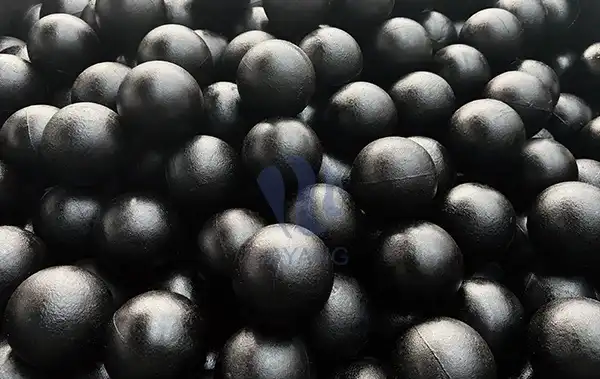
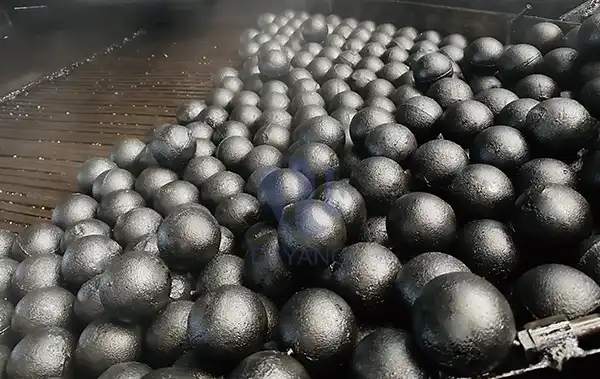
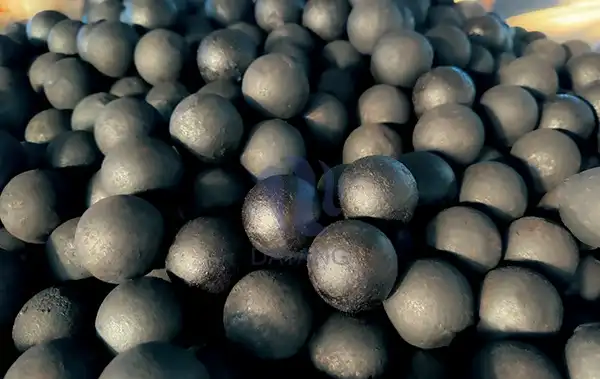
Deployed in a cement clinker grinding mill, these high-chromium cast grinding balls feature stable hardness and low breakage. They help us maintain consistent grinding output and lower long-term consumable costs.
Nov 27, 2026
8-120mm low-chrome cylpebs for industrial grinding mills are cylindrical cast media that crush and rub feed material inside ball mills. The wide size range lets plant teams pair large pieces with coarse feed and small pieces with fine finishing. NINGHU supplies low-chrome cylpebs in two published grades: ZDCr5-8 (HRC 47 or higher) and ZDCr2 (HRC 45 or higher), both with an impact value of at least 2.0 J/cm². This guide shows how they work, how to compare them with other media, and how to buy them with fewer surprises. It is written for distributors, buyers, and plant engineers.
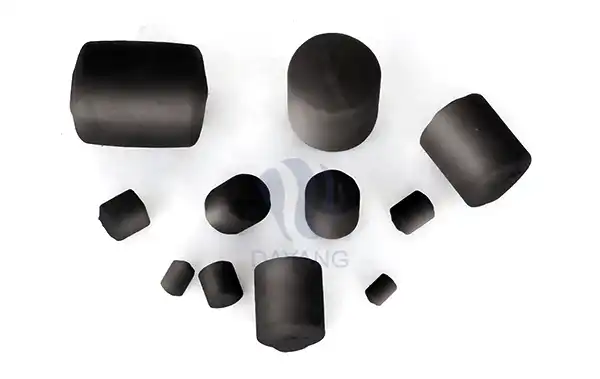
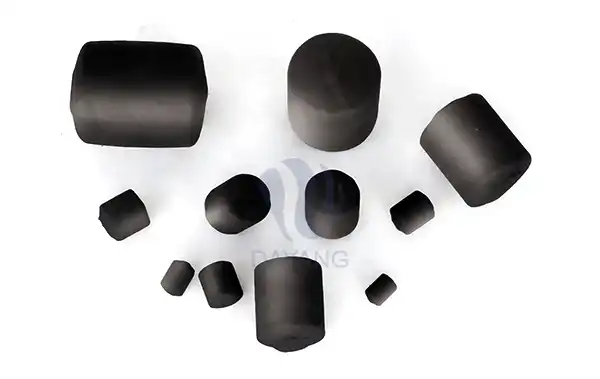
Low-chrome cylpebs are short cylinders cast from chromium-alloy steel or cast iron. A ball touches material at one point, while a cylinder touches along a line and across its flat ends. That larger contact area crushes and rubs particles at the same time, which explains why cylindrical media is common in fine grinding stages. Diameters run from 8 mm to 120 mm. Small pieces fill the gaps between larger ones and add surface area for finishing work. Large pieces carry more impact energy for coarse feed. A mill operator can blend several sizes into one charge that matches the feed and the target fineness.
NINGHU publishes two low-chrome grades. ZDCr5-8 reaches at least HRC 47, carries an impact value of at least 2.0 J/cm², and has a pearlite-plus-carbide structure. ZDCr2 reaches at least HRC 45 with the same minimum impact value. The grade names point to roughly 2 percent chromium for ZDCr2 and 5 to 8 percent for ZDCr5-8, so confirm the exact chemistry on a material certificate before you order. For comparison, cast high-chrome media often contains 10 to 30 percent chromium, which places low-chrome cylpebs in a lower cost tier. The right grade depends on feed abrasiveness and impact load, so we ask for mill details first.
Steady media starts with controlled alloy proportions and stable casting. Melting, pouring, and heat treatment each shape the final structure, and weak control can leave shrinkage cavities, gas pores, or uneven hardness. Any of those flaws can cause early breakage. NINGHU produces low-chrome cylpebs on automated lines under ISO 9001 quality management, with a listed annual capacity of 50,000 tons. Automation helps keep size and shape uniform from piece to piece, and heat treatment sets the balance of hardness and toughness. Buyers should still test hardness at several points on a sample, measure dimensions, and read the inspection data for each batch they receive.

Hardness resists abrasion, and toughness resists cracking. Media that is too hard and brittle can chip under heavy impact, while media that is too soft wears quickly. NINGHU's grades pair a hardness floor of HRC 45 or 47 with a minimum impact value of 2.0 J/cm², so both traits carry a measured limit. Track wear in grams of media per ton of product, not hardness alone, because feed abrasiveness, mill speed, moisture, and liner design all change the result. The stakes are real: industry studies often put comminution at roughly 3 to 4 percent of global electricity use, so small gains in media life and grinding efficiency add up.
NINGHU lists these media for ore grinding and mineral processing, cement and building-material grinding, coal pulverization in thermal power plants, chemical processing, and the production of materials such as concrete and asphalt. Cement is a strong fit because grinding takes a large share of a plant's electricity, according to the U.S. EPA ENERGY STAR guide for cement makers. Smaller 8-20 mm pieces are generally used for fine grinding, and 80-120 mm pieces suit large mills with coarse feed. Wet service needs extra care with pH, slurry density, and corrosion, so test before you switch. Throughput, power draw, fineness, breakage, and wear are the numbers to watch.
Price alone does not settle the choice between low-chrome cylpebs, high-chrome cylpebs, forged steel balls, and conventional cast media. High-chrome products can resist wear better in highly abrasive service, but they cost more. Low-chrome cylpebs offer a practical balance of cost, toughness, and performance in less severe conditions. Forged balls may suit large mills with heavy impact, and cylindrical media changes contact patterns, packing, and attrition. Build a simple decision matrix: list abrasiveness, impact intensity, wet or dry operation, media consumption, energy use, and total grinding cost for each option. Then run a plant trial, because test data beats assumptions.
Start with the mill type, diameter, operating mode, feed size, throughput, target fineness, and yearly media consumption. Next, set the hardness range, dimensional tolerance, surface condition, and the breakage you can accept. Place larger media where impact matters, and use smaller low-chrome cylpebs for fine grinding and finishing. Full 8-120 mm coverage helps distributors, because one supplier can serve cement plants, ore plants, and coal plants with different charges. Ask each customer for the current charge and the wear rate, then compare the cost per ton of product, not only the price per ton of media.
A clear request for quotation lists sizes or grading, quantity, mill model, material ground, wet or dry operation, target fineness, destination, and document needs. Price per ton of low-chrome cylpebs shifts with alloy content, size, order volume, inspection, packaging, and trade terms such as EXW, FOB, or CIF. Landed cost comparison. Freight charges and exchange rates can eat up a small price difference. Please confirm the minimum order, be it full container or full ton, lead time, stock and rolling delivery. Custom or OEM orders require approved drawings, tolerances, trial samples, labels and packaging specifications. All export shipments must be marked with moisture protection and batch marks.
A qualified low-chrome cylpebs supplier shows stable casting and heat-treatment capacity, laboratory testing, batch traceability, and experience with standard and custom sizes. Ask for references from cement, mining, or mineral plants similar to yours. ISO 9001 certification helps, but inspection records and traceable batches prove it in practice. Good technical support covers media selection, first charging, top-up planning, and wear monitoring. Clear communication matters as well, so check how quickly and precisely a supplier answers questions about lead time, documents, and shipping. Slow or vague answers before an order often signal slow or vague service after it.
The lowest quotation does not always give the lowest grinding cost. Uneven hardness, high breakage, poor grading, or inconsistent chemistry can raise consumption and cause downtime. For distributors, the usual result is a customer complaint that traces back to one batch. Ask each supplier for hardness records by batch, so you can answer a complaint with data. Avoid choosing hardness without checking toughness, especially in high-impact mills. Review wet-grinding chemistry, including pH and corrosion risk, before you replace media. Back every technical claim with a certificate, a test report, or an independent inspection. Finally, plan safety stock and repeat-order timing so a continuous mill never waits for media.
Before changing media, record a baseline: mill output, power draw, fineness, media consumption, operating hours, liner condition, separator settings, and feed traits. Set measurable pass marks for wear, breakage, throughput, energy, fineness, chemistry, and dimensions. Run the trial with a representative quantity and agreed grading under stable conditions. Inspect discharged media and mill internals at planned intervals, then compare with the baseline. With a new low-chrome cylpebs supplier, one container makes a sensible first order, because it tests quality and logistics together. Share the results so grading, charge volume, and top-up timing can improve before a longer supply plan.
Rain and handling cause most shipping worries. Ask for dry, secure packing, clear batch labels, and loading photos, and consider third-party inspection before shipment. Match your trade term to your risk: CIF includes ocean freight in the price, while FOB leaves it to you. Order in staged lots that match your resale pace, which limits cash tied up in stock, and keep a small safety reserve for your largest customers. Confirm currency and payment terms in writing so exchange swings do not surprise you.
NINGHU manufactures high-chrome and low-chrome casting grinding balls and cylpebs in different sizes and chromium contents. Our company has more than thirty years of wear-resistant materials production history. Customers use our media in cement and building materials, metallurgical mining, thermal power generation, magnetic materials, and other industries. Exact casting and stringent quality control guaranty uniform hardness, size and shape. Automated production lines and ISO 9001 certification support that consistency, and an annual capacity of 50,000 tons gives distributors room for large repeat orders.

Our service covers the entire order cycle. We learn about your needs and create a plan for an individual product for you before you buy. During the order we report on production progress, refine solution details and coordinate delivery. after delivery we monitor product usage, provide technical support, and review the plan for the next order to be better. This matters for a distributor who must answer end users quickly. Send us the mill size, feed material, and wear history, and we will suggest a grading to test.
We offer tailor-made solutions for specific applications, such as sizes and chromium contents that fit different mills. Our distribution network and responsive customer support serve customers worldwide. We undertake continuous research and development to ensure our products are in line with the industry's needs. Distributors that plan to grow into private-label supply can discuss drawings, tolerances, labeling, and packaging with our team early. ZDCr2 and ZDCr5-8 give price-sensitive markets a cost-effective option with published hardness and impact limits. Full specifications and contact details are on nhgrindingball.com.
8-120mm low-chrome cylpebs are cylindrical cast media that grind by crushing and rubbing, and their size range lets a mill charge match both coarse feed and fine finishing. NINGHU's ZDCr5-8 (HRC 47 or higher) and ZDCr2 (HRC 45 or higher) grades both carry an impact value of at least 2.0 J/cm², pairing hardness with toughness. Compared with high-chrome media, low-chrome products give a lower-cost balance in less severe service, while forged balls and high-chrome media remain options for heavy impact or highly abrasive duty. The best buying decisions rest on mill details, size grading, landed cost, batch records, and a measured trial rather than price per ton alone. Careful packing, clear trade terms, and staged orders protect cargo and cash flow.
NINGHU supplies 8-120 mm low-chrome cylpebs. Small sizes support fine grinding, and large sizes handle coarse feed in bigger mills. Mixing several sizes in one charge usually improves grading.
ZDCr5-8 offers HRC 47 or higher, while ZDCr2 offers HRC 45 or higher. Both have an impact value of at least 2.0 J/cm². Share your feed and mill details, and our team will recommend a grade.
They can, but results depend on slurry chemistry, pH, corrosion risk, and breakage resistance. Test a small quantity first.
Specify sizes, number, mill type, material, operation (wet or dry), fineness desired, destination, and documentation required. Ask about minimum order quantity and lead time too.
NINGHU, a low-chrome cylpebs manufacturer with 50,000 tons of annual capacity and ISO 9001 quality control, welcomes your next inquiry. Send your mill model, feed material, size range, and target quantity to sales@da-yang.com or sunny@da-yang.com, and our team will reply with grade advice, trial options, and a project quotation for low-chrome cylpebs. Visit nhgrindingball.com for product details.
Minerals Engineering, 2015 – "Is progress in energy-efficient comminution doomed?" by T. J. Napier-Munn
International Journal of Mineral Processing, 2002 – "The energy efficiency of ball milling in comminution" by D. W. Fuerstenau and A.-Z. M. Abouzeid
U.S. EPA ENERGY STAR, 2013 – "Energy Efficiency Improvement and Cost Saving Opportunities for Cement Making"
Elsevier, 2016 – Wills' Mineral Processing Technology, 8th edition, by B. A. Wills and J. A. Finch
ASTM International, 2019 – ASTM A532/A532M, Standard Specification for Abrasion-Resistant Cast Irons
International Organization for Standardization, 2015 – ISO 9001, Quality Management Systems: Requirements
March 19, 2024
Deployed in a cement clinker grinding mill, these high-chromium cast grinding balls feature stable hardness and low breakage. They help us maintain consistent grinding output and lower long-term consumable costs.
June 24, 2025
Used in a copper-ore wet-grinding ball mill, the grinding balls show durable wear resistance under non-stop 24-hour operation. Stable grinding performance reduces frequent mill inspections for abnormal ball damage.
August 12, 2025
Used in an iron-ore grinding mill, these high-chromium cast grinding balls maintain uniform hardness from batch to batch. They withstand sustained heavy-load impacts well with minimal breakage, and reliable wear performance keeps our throughput steady over long operating cycles.
October 07, 2025
Adopted for a gold-ore grinding mill, these high-chromium cast balls have evenly distributed hardness. They hold up well under complex abrasive conditions, and their consistent wear profile helps us achieve fine, uniform particle size throughout service.
January 15, 2026
Applied in a limestone grinding production line, the cast steel balls perform reliably under fluctuating load conditions. Well-balanced wear characteristics effectively cut down unplanned downtime.