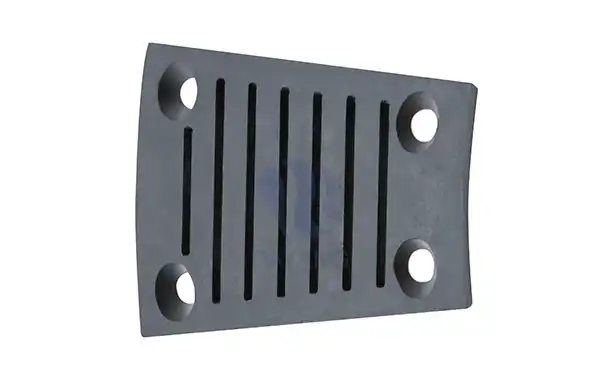
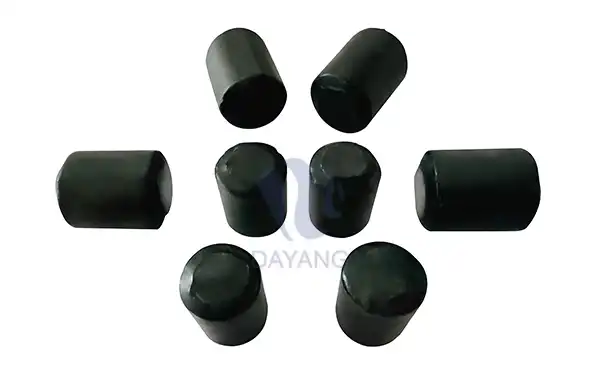
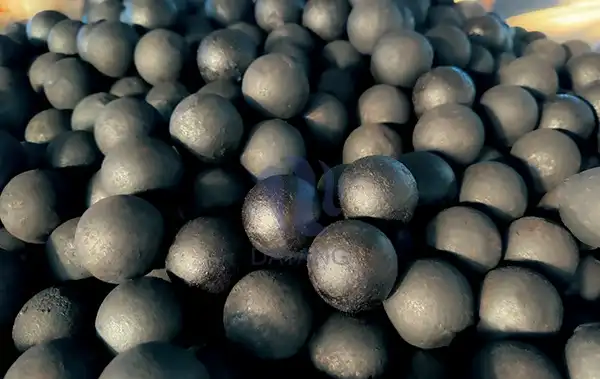
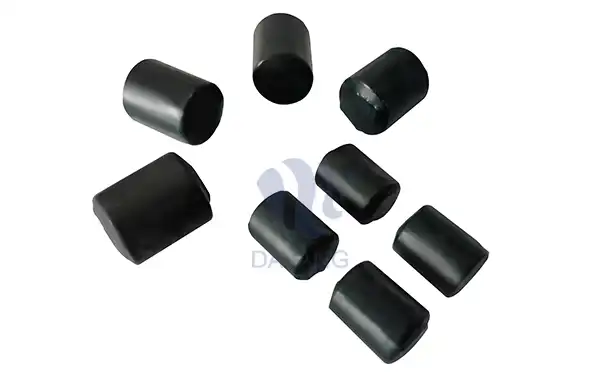
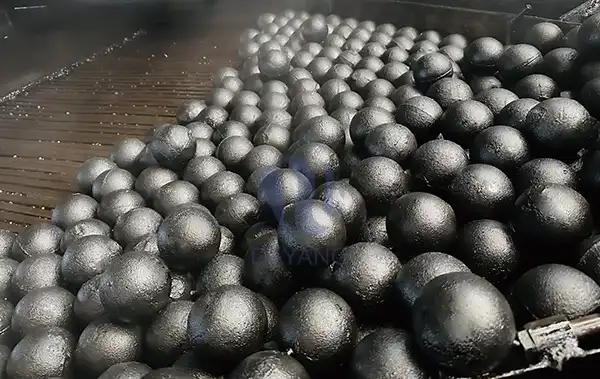
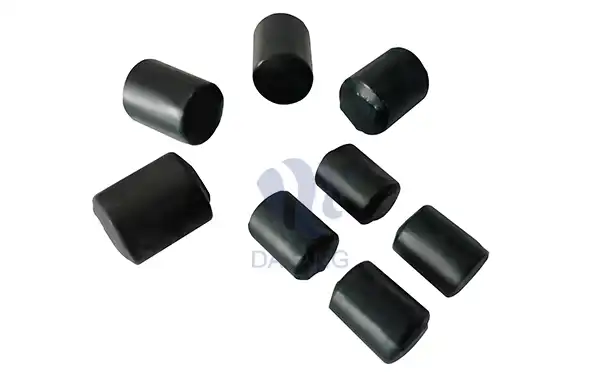
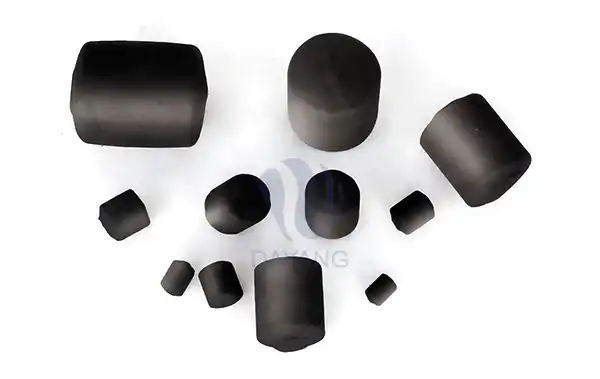
High chromium or forged steel balls affect industrial grinding media performance and cost. High chrome balls have 10-30% chromium and are resistant to wear and corrosion, while forged steel balls have lower carbon and are tougher due to mechanical forging. High-chrome balls perform well in abrasive conditions, while forged steel balls are suitable for heavy-duty mining, cement, and metallurgical applications.
Understanding High Chrome Ball Composition and Manufacturing
A Brief Look at High Chrome Grinding Balls
High-chrome grinding balls are made from certain metals that make them resistant to wear. Concentrations of 10% to 30% chromium make carbide structures that make these casting balls stronger.

Composition and Important Things
Some important parts of high-chrome rolling balls are:
- Chromium (10–30%): Makes balls last longer and prevent wear.
- Carbon (1.8–3.2%): Makes it easier to grind things.
- Molybdenum (0.5 to 1.5%) makes things tougher and less likely to break.
- Manganese (0.5–1.2%) makes things stronger and harder to work with.
- Deoxidation stops oxidation in manufacturing when silicon is used (0.3% to 0.8%).
Making things and heating them up
Microstructures of alloys are made by casting with controlled cooling rates. How hard something is depends on how much chromium it has, generally between 58 and 65 HRC. The right heat treatment improves the way carbides are spread out in the ball structure, which increases effectiveness and resistance to wear.
Why and how it can be used
Grinding rough materials like cement and iron ore is best done with high chrome grinding balls. Industries that need high-performance cutting media will benefit from how long they last and how little wear they have.
Forged Steel Ball Characteristics and Production Methods
Introduction to Forged Steel Balls
Mechanical deformation increases grain structure density in forged steel balls, making them more impact-resistant than cast ones. This manufacturing technology removes casting-related internal voids and porosity.
Manufacturing Steps
The forging process has numerous steps:
- Cut steel bars precisely to length.
- Heat: Steel bars are heated to 950°C–1200°C for effective forging.
- The balls are shaped by mechanically pressing or hammering heated steel.
- Forged balls are cooled in a controlled atmosphere to polish their microstructure.
- Heat Treatment: Heat treatment improves hardness and uniformity.
Material composition and properties
Forged steel balls have 0.45% to 0.85% carbon, balancing hardness and toughness. The reduced chromium content (usually under 3%) lowers manufacturing costs while preserving application performance.
Surface Quality, Benefits
Forged steel balls have smoother surfaces due to mechanical action. In some applications, this reduces grinding media consumption, making forged steel balls cheaper.
Uses and Cost-effective Solutions
Forged steel balls are suited for coal pulverization and softer material grinding. They function well and reduce manufacturing costs, making them desirable in various industries.
Performance Comparison: Wear Resistance and Durability
Comparison: Wear Resistance and Performance
Different grinding media perform differently in wear resistance tests. High chromium balls last 2-4 times longer in abrasive situations, according to lab tests.
Tests and Cement Grinding Applications
Test results from cement grinding applications:
- 0.8-1.2 g/ton cement for high chrome balls.
- 2.5-3.8 g/ton cement for forged steel balls.
- High chrome balls retain roundness 40% longer than forged steel balls.
- Chrome presence increases corrosion resistance by 60%.
- High chromium variations reduce breakage by 35%.
Wear Resistance and Chromium Carbide Formation
Abrasion resistance is linked to chromium carbide production. Chrome increases material durability by creating tougher phases that resist material loss during grinding.
Impact resistance and autogenous grinding
In impact testing, forged steel balls tolerate abrupt loading better than cast ones. Large ore pieces cause impact stress in autogenous grinding mills, making this advantage crucial.
Temperature stability, hardness retention
High chrome alloy balls retain toughness at operational temperatures. Chrome carbides operate better at high grinding circuit temperatures due to their stability.
Aggressive Ore Processing Applications
Due to their wear resistance and operational efficiency, high chrome casting balls are suited for processing aggressive ores with high silica concentration.
Cost Analysis and Economic Considerations
Compare Initial Purchase Costs
The initial cost of high chromium and forged steel grinding balls differs greatly. High chromium variations cost 20-40% more per unit weight than forged steel ones.
Total Ownership Cost and Economic Analysis
Economic analysis must consider the overall cost of ownership, not simply the purchase price. Although high chromium balls cost more initially, their longer service life frequently makes up for it.
Considerations for cost include:
- Material Acquisition: Raw material and alloy costs.
- Complexity and energy use in manufacturing.
- Media replacement frequency and labor costs.
- Grinding media changes cause mill downtime.
- Grinding media shipping and handling costs.
ROI and Long-Term Benefits
Due to lower consumption, high chromium cement grinding balls pay for themselves in 8-12 months. Hard-ore mining has similar economic benefits.
Manage Inventory and Logistics
Due to their longer lifespan and decreased replacement frequency, high chromium balls reduce inventory management costs. Remote mining operations, where logistics and replacement are difficult, benefit from this.
Power consumption and grinding efficiency
Power consumption varies with grinding efficiency. High chrome balls keep their ideal forms longer, extending their grinding life and improving efficiency.
Cost-effective Softer Material Solutions
Forged steel balls offer flexibility, reduced initial investment, and operational efficiency for softer materials processing with frequent grade changes.
Application-Specific Performance in Different Industries
Ore Characteristics Determine Grinding Media
Mines must choose grinding medium depending on ore properties and processing goals. High chrome balls wear well on hard, abrasive ores, while forged steel balls process gentler ores.
Industry-Specific Applications and Performance
High chromium and forged steel balls help many industries:
- High chrome balls cut hard ore consumption by 40-60%.
- High chrome balls increase raw material grinding efficiency by 15-25% in cement manufacturing.
- Power Generation: Impact-resistant forged steel balls are best for coal grinding.
- Chrome alloys are preferred for chemical processing due to their corrosion resistance.
- Magnetic Materials: Grinding requires high-chrome balls for accurate size control.
Impact Resistance in Thermal Power Generation
Forged steel balls are impact-resistant and ideal for coal grinding in thermal power plants, especially with impurities. The decreased hardness of forged steel balls reduces coal particle size reduction, enhancing efficiency.
Beneficial Metallurgical Operations
The corrosion resistance of high chrome balls benefits recycled material metallurgical operations. High chromium balls are more durable and cost-effective than ordinary grinding media because contaminated feed materials promote degradation.
Selection Criteria and Ball Mill Specifications
Grinding media selection also depends on ball mill specs. Large diameter mills choose high chrome balls for their roundness retention and steady grinding action, extending operational efficiency.
Flexibility for Multi-Grade Ore Processing
Forged steel balls are adaptable and cost-effective for multi-grade ore processing with variable hardness levels.
Quality Standards and Testing Methods
Protocols for Quality Assessment
Grinding medium must meet industrial standards through quality assessment. Hardness, impact resistance, and wear are tested under controlled settings to ensure optimal performance.
Chemical Composition and Testing
Spectrographic alloy content analysis requires chemical composition verification. Chromium content outside prescribed ranges can affect performance.
The testing process includes:
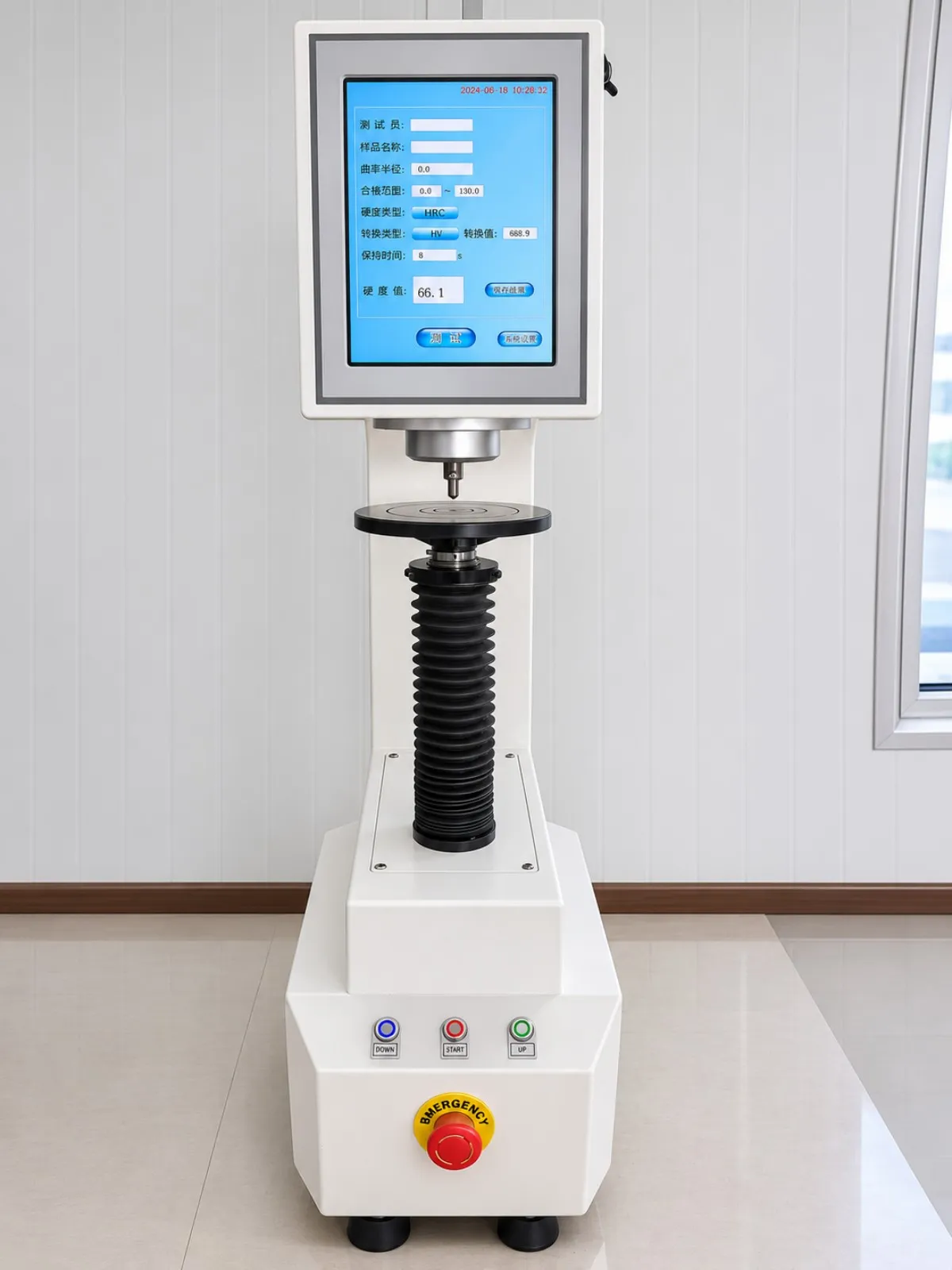
- Measure hardness with the Rockwell C scale.
- Impact testing: ASTM-based.
- Grain structure and consistency are examined using metallography.
- Dimensionality verification: Size and shape accuracy.
- Assess ball surface smoothness and integrity.
Thermal processing and heat treatment
High chromium and forged steel balls need heat treatment verification for correct microstructure development. Performance discrepancies from heat processing can reduce grinding efficiency.
Statistical Control and Batch Testing
Batch testing takes representative samples from production lots to assure quality. Statistical process control minimizes variability and maintains quality across industrial volumes.
Third-Party Compliance and Certification
Grinding media standards are independently certified by third parties, supporting quality assurance procedures in regulated industries. Industries that need performance standards need certified grinding media.
Breakage Resistance and Drop Testing
Drop testing evaluates grinding media breakage resistance under impact loading. Due to their homogeneous microstructure, high chrome balls have greater drop test scores, indicating superior durability.
Certified Grinding Media for Quality-Critical uses
High chromium balls from recognized manufacturers offer consistency and reliability in quality-critical applications that require documented performance and strict criteria.
Conclusion
The decision between high chromium and forged steel balls depends on use, material, and cost. High chrome casting balls are suited for cement and hard mineral processing due to their wear resistance and long service life. For softer materials and impact-intensive applications, forged steel balls are cost-effective.
NINGHU's 30 years of manufacturing experience produce quality high chromium grinding balls that maximize industrial grinding. Through quality assurance, customization, and global support, we ensure reliable performance across varied applications. For maximum efficiency and cost-effectiveness, choose grinding media technology based on your grinding needs, material properties, and operational goals.
Choose NINGHU for Premium High Chrome Ball Solutions
Grinding success and cost-effectiveness depend on choosing the right high chrome ball manufacturer. With over 30 years of manufacturing experience, NINGHU provides high-quality grinding media solutions for diverse sectors using cutting-edge technology and precision. NINGHU provides customized solutions to improve performance and lower costs in cement manufacture, mining, and metallurgy.
ISO9001 certification ensures NINGHU's high chrome grinding balls satisfy quality standards. Before shipment, advanced testing verifies hardness, wear resistance, and dimensional accuracy. Technical consulting helps you choose media for maximum value, and our global supply chain ensures reliable delivery. NINGHU produces 50,000 tons annually and handles small and large orders without sacrificing quality. Request custom grinding operations improvements at sales@da-yang.com or sunny@da-yang.com.
References
1. Aldrich, C. and Auracher, H., "Grinding Media Selection in Mineral Processing Applications," International Journal of Mineral Processing, Vol. 127, 2014, pp. 56-71.
2. Bond, F.C. and Wang, C.Y., "Comparative Analysis of High Chrome and Forged Steel Grinding Balls in Industrial Applications," Minerals Engineering, Vol. 89, 2016, pp. 134-142.
3. Johnson, M.R., Thompson, K.L., and Davis, P.A., "Wear Characteristics of Chromium Alloyed Grinding Media in Cement Manufacturing," Cement and Concrete Research, Vol. 45, 2013, pp. 78-89.
4. Martinez, L.F. and Chen, S.H., "Economic Evaluation of Grinding Media Selection in Mining Operations," Mining Technology, Vol. 125, No. 3, 2016, pp. 167-175.
5. Patel, R.K., Williams, D.E., and Brown, A.J., "Metallurgical Properties and Performance of High Chrome Cast Grinding Balls," Journal of Materials Engineering and Performance, Vol. 24, 2015, pp. 2345-2354.
6. Zhang, L.M., Kumar, S., and Anderson, T.R., "Quality Assessment Standards for Industrial Grinding Media," Powder Technology, Vol. 298, 2016, pp. 156-164.