March 19, 2024
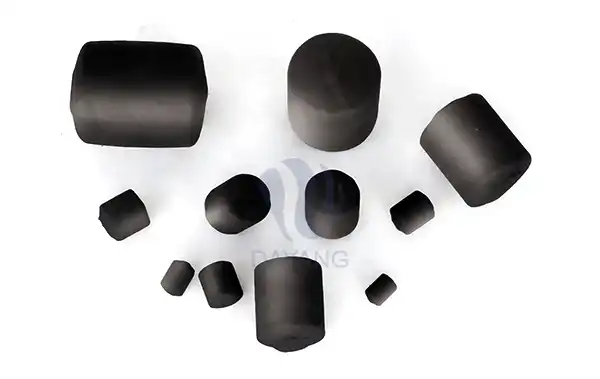
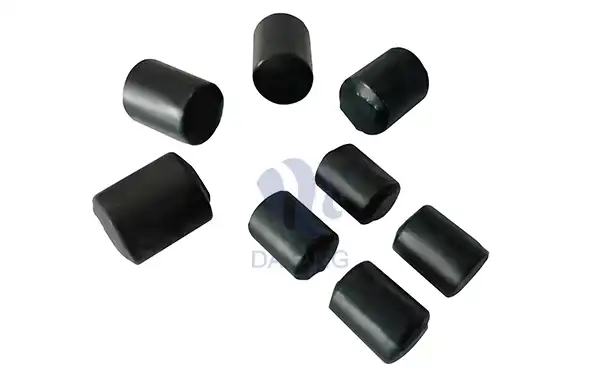
Deployed in a cement clinker grinding mill, these high-chromium cast grinding balls feature stable hardness and low breakage. They help us maintain consistent grinding output and lower long-term consumable costs.
Nov 25, 2026
To fully understand grinding balls, you need to know what materials they are made of, how they work, and what industries use them. The round parts in question are very important for grinding things in ball mills, which are used in many fields, from mining to making cement. The success of any grinding process depends on picking the right ball materials, sizes, and specs for the job. Modern grinding balls are made using advanced mechanical methods that guarantee uniform quality and performance levels that meet the needs of harsh industrial settings. When chosen and kept correctly, these grinding media parts make mills much more efficient, lower costs, and produce better results in a wide range of situations.
For industrial grinding to work well, the grinding media must be carefully designed and manufactured. Most of the time, grinding balls are used because they are versatile and work well in a wide range of situations.
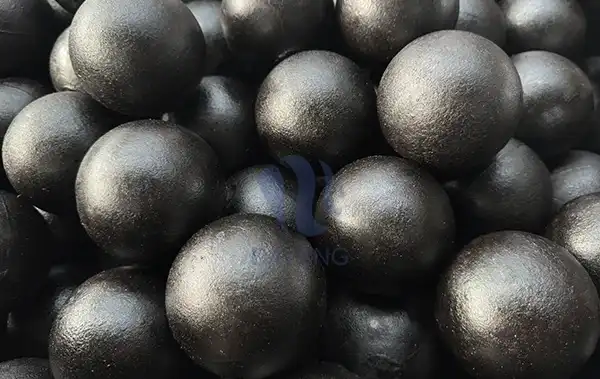
Steel grinding media is the most popular because it is more durable and less expensive than other materials. High chrome casting balls have 10–30% chromium in them, which makes them very resistant to wear and able to last longer in tough situations. Different types of carbon steel are cheap and work well with materials that don't scratch easily. Alloy steel mixtures are a good balance between performance and cost. Forged steel balls go through a lot of mechanical work, which smooths out the grain structures and makes them more resistant to contact. When high impact forces are present, like in SAG mills and initial grinding, these materials work really well. Forging gets rid of flaws in the casting process, making the material properties the same all over the ball structure. Ceramic grinding media is designed to work specifically in situations where grinding needs to be done without any contamination. Chemical weathering doesn't happen in alumina-based compositions, and the dimensions stay the same when the temperature changes. But ceramic options are more expensive up front and don't protect as well against force as steel choices.
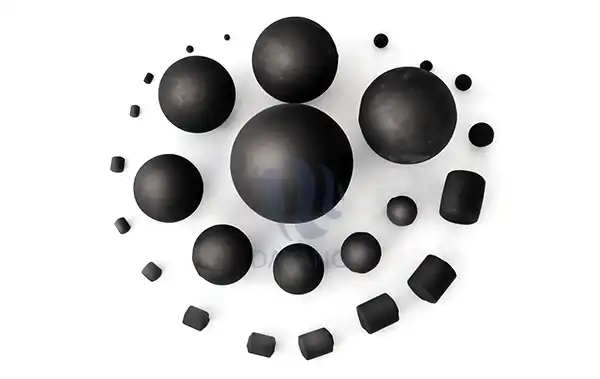
Ball mill media sizes are based on standard sizes in the business. For most uses, widths range from 20mm to 150mm. When balls are bigger, they create more impact force, which is good for heavy grinding. When balls are smaller, they create more surface area, which is better for fine grinding. The best ball size distribution relies on the size of the feed particles, the fineness of the product you want to make, and the size of the mill. To get the best grinding results, ball mills usually use loads of media that are in a range of sizes. This method makes a chain effect where bigger balls break up big particles, and then smaller media finish the process of making them smaller. The right size distribution stops too many empty areas and makes sure that energy is transferred efficiently during grinding processes.
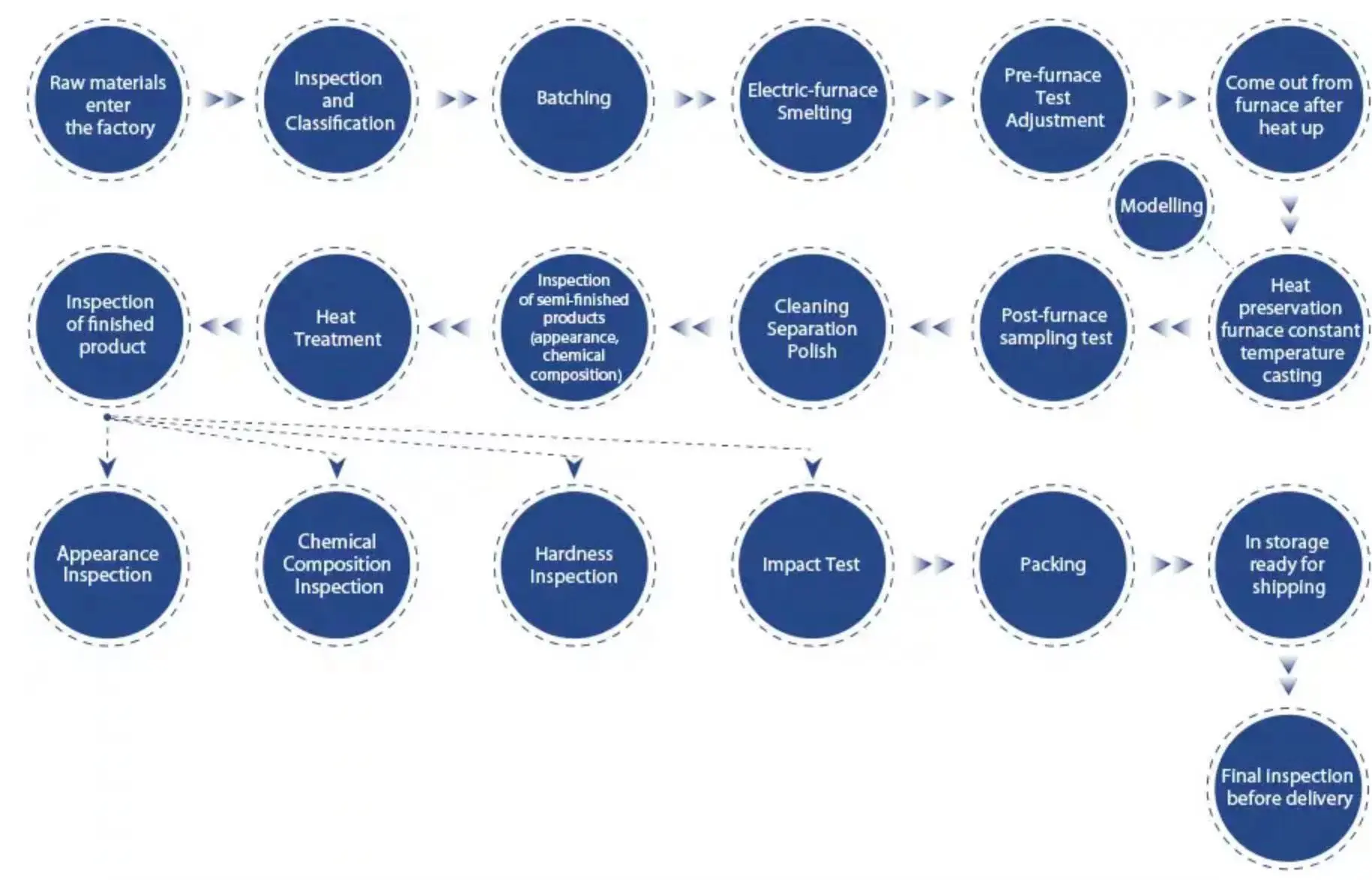
Reputable makers use a wide range of quality control methods, including grinding balls at every stage of the production process. Drop weight testing checks how well something can withstand being hit, and wear rate testing figures out how long something should last in controlled circumstances. Chemical makeup analysis makes sure that the specs of the material meet the needs of the customer and the standards of the industry. Using the Rockwell or Brinell scales to test hardness gives uniform quality metrics across production runs. Inspections of the surface's quality find possible flaws that could hurt efficiency. These testing procedures make sure that the quality of the product is solid and that it will work as expected.
Steel grinding media has many strong benefits that make it the best choice for most industry uses. Knowing about these perks helps companies improve their grinding methods and lower their costs.
Advanced heat treatment methods make the best microstructures that keep impact hardness and wear resistance at their highest levels. Manufacturers get hardness values between 58 and 65 HRC for high chrome mixtures by carefully controlling the rate of cooling and the temperature. This range of hardness is great for resisting wear without lowering the toughness of the material when it breaks. When heat is applied, chromium carbide crystals form, creating a protected structure that stops wear. These carbides keep their shape even when they are ground, so they protect against rough materials for a long time. When heat-treated correctly, grinding balls show wear rates 40–60% lower than regular ones.
Consistency in manufacturing makes sure that grinding works the same way across all ball charges. When chemicals are mixed and heated in the same way, there are no differences in performance that could affect the quality of the result. This consistency lets mill workers keep the settings for grinding fixed and get the same results every time. During production, quality control methods stop the differences in size and quality of materials. Each batch of production goes through a lot of tests to make sure it meets the requirements. This focus on detail makes sure that the system works well and keeps unexpected problems to a minimum.
At first, steel grinding media may be more expensive than other options, but it is a better deal because it lasts longer and works better. Fewer replacements mean less upkeep costs and less downtime for output. The longer longevity means that the total cost of ownership for the grinding media is lower over its lifetime. When grinding dynamics are adjusted and ball breakage is reduced, energy efficiency goes up. Intact balls keep the right size distribution and grinding dynamics, which stops the formation of splinter sizes that aren't useful. This economy means that less power is used and production rates are higher.
Compositions of steel work best in places where there are a lot of impacts, like SAG mills and autogenous grinding systems. The naturally tough nature of the material keeps it from breaking in huge ways, grinding balls that could damage mill linings or contaminate the grinding circuit. This dependability is especially useful in settings where operations run all the time and unplanned shutdowns cost a lot. Forged steel choices give you more protection against impacts for the toughest jobs. The finer grain structure that is made by mechanical working makes it harder to break while still being resistant to wear. This mix works great for main grinding tasks that involve working with rough, hard ores.
To choose the best grinding media, you need to carefully think about a lot of things that affect performance and cost. Each industry has its own problems that need materials with certain qualities and performance traits.
In mining, high chrome grinding balls are usually needed because they can handle rough ores and a lot of them at once. The amount of chromium should meet the hardness and abrasiveness of the ore. Higher chrome rates are better for tougher jobs. Ball sizes need to fit the size of the mill and the design requirements of the grinding circuit. Medium chrome mixtures are good for cement makers because they combine cost with wear resistance. Because grinding uses both contact and abrasion wear, the materials used need to be able to handle a variety of pressure situations. To meet the fineness requirements for the cement, size distribution adjustment becomes very important. Power plants that use coal preparation circuits need balls that can handle the roughness of coal while still being cost-effective. Chemicals used to clean coal must not damage the grinding surface, but they must be able to get dirty. Choosing the right material keeps grinding efficient and stops wear from happening too soon.
The level of hardness needed depends on how hard the treatment is and how long it is expected to last. In general, higher hardness makes things less likely to wear down, but it may make things less tough when hit. The best balance is based on the main types of wear and the working factors in the grinding environment. The chemicals used affect both how well something works and how much it costs. A lot of metal makes something more resistant to wear, but it also makes it more expensive. There are options to medium chrome that work well enough for less demanding tasks and are cheaper. Carbon steel choices are good for situations where pollution isn't a problem and saving money is the most important thing.
Experienced makers can make changes to meet the needs of a particular application. Some of these services are custom size requirements, improved chemical compositions, and specialized heat processes. Custom solutions often offer performance benefits that make the extra costs worth it by increasing efficiency or making the service last longer. Technical support services help customers choose the best grinding surface and use it most effectively. Monitoring the wear rate, analyzing performance, and making operating suggestions all help to make grinding more efficient while lowering costs. This ongoing support is helpful for keeping the best performance throughout the duration of the grinding media.
Cost concerns should be balanced with quality standards and the dependability of the supply chain in good buying strategies. Knowing how the market works and what a provider can do helps you make smart buying choices.
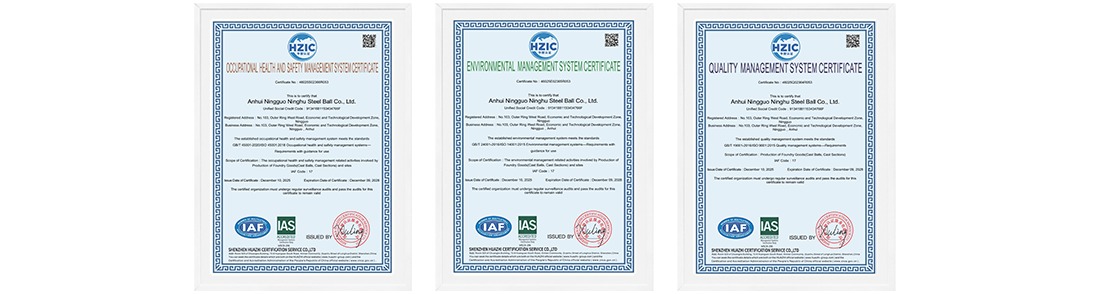
Reliable providers have full quality control systems, grinding balls that make sure the quality of their products is always the same. ISO9001 approval means that quality control and growth are done in a planned way. Auditing a production plant gives you information about how it makes things and how it checks for quality. Technical skills include both the ability to make things and the ability to help customers. Suppliers should show that they have a lot of experience with similar projects and be able to give expert advice on how to choose the best grinding media. Research and development skills show a dedication to making products better and coming up with new ideas.
The price of materials changes depending on the alloy's composition, the price of raw materials, and how hard it is to make. Because the alloying elements are expensive and the production needs are unique, high chrome formulas cost more. Buying in bulk can save you money by taking advantage of economies of scale. When figuring out the total cost of ownership, you should add up the price of the machine, the cost of travel, and performance-based factors like how much it wears out and how well it grinds. Better goods may be worth the extra money because they last longer and work better, which can explain their higher initial prices. This thorough review method guarantees the highest value development.
Reliable supply lines keep operations going while lowering the cost of goods. Supply interruptions are less likely to happen when suppliers have enough production capacity and inventory management systems in place. Transportation prices and shipping times can be affected by how close two places are to each other, especially when a lot of goods need to be sent. Order lead times depend on how complicated the product is, how much customization is needed, and how full the supplier's capacity is. Lead times for standard goods are usually shorter than those for custom specs. Planning ahead helps meet lead time needs and keeps operations from being interrupted by a lack of grinding balls.
Taking good care of grinding media increases its useful life and keeps it working at its best. Understanding the needs of each program and using good upkeep methods will get you the best return on your investment.
Mining companies use grinding balls in ball mills, SAG mills, and rod mills, among other types of mills. For primary grinding circuits, you need balls with a big diameter that can break down run-of-mine ore to medium-sized pieces. For secondary grinding, smaller balls are used to get the release sizes that are needed for processing that comes after. The properties of the ore have a big effect on the choice of grinding surface and how well it works. Ores that are hard and rough need high chrome formulas that are very resistant to wear. If the material is soft, medium chrome options may be possible that work just as well but cost less. Knowing the features of rock helps you choose the best materials and make predictions about how well they will work. Different circuits for handling minerals make different grinding environments that change how well media work. Compared to dry grinding, wet grinding conditions provide lubrication that lowers the rate of wear. Chemical agents and pH levels can change how rust works and how well two materials work together.
Particle size must be carefully controlled during cement production to get the end product to work the way it's supposed to. Usually, the grinding circuit has both steps for preparing the raw materials and finishing the grinding of the cement. For each application, choosing the right grinding material and improving its performance are different tasks. Limestone, clay, and other materials with different levels of hardness and abrasiveness are used to grind raw materials. The grinding media has to be able to handle all of these different materials while still working the same way throughout the life of the ball charge. To meet the fineness requirements for the raw meal, size distribution adjustment becomes very important. When you do finish grinding, you need to pay close attention to how well you grind and how good the end result is. The grinding media changes the spread of cement particles by size, grinding balls, which in turn changes how well the concrete works. The best choice of balls helps meet specifications while using the least amount of energy and cutting down on production costs.
When grinding media is stored properly, it keeps its quality until it is used. Dry places to store things stop rusting and keep the surface's structure. First-in, first-out rotation is possible with organized stocking systems, and long storage times that could hurt performance are avoided. Monitoring performance on a regular basis shows wear trends and when replacements need to be made. During repair shutdowns, visual checks show the state of the balls and how they are wearing. Keeping track of wear rates and service life lets you keep choosing better grinding balls and improving how you do your job. The way the ball is handled should keep its purity and prevent damage from impacts. When you load something correctly, you avoid hitting it too hard, which could cause cracks or damage to the surface. Teaching mill workers the right way to handle things keeps them from breaking down too soon and keeps them grinding efficiently.
Grinding balls are very important parts of industrial grinding processes in the chemical production, cement, and mining industries. Choosing the right materials, sizes, and specs has a direct effect on how well they grind, how much they cost, and how good the end result is. For most uses, steel grinding media is the best because it is resistant to wear, lasts a long time, and is cost-effective. However, different types are available to meet the needs of different industries. For implementation to go well, the application conditions, the supplier's skills, and the upkeep methods must all be carefully thought through. By knowing about these things, you can make smart choices that improve grinding performance and increase return on investment in a wide range of workplace settings.
Ball size choice is based on several important factors, such as the size of the feed particles, the sharpness of the final product, the width of the mill, and the design of the grinding circuit. Larger balls are better at breaking up tough materials because they have more surface area, while smaller balls have more impact force and are better for fine grinding. Using balls of different sizes is often the best way to make sure that the balls are of the right size throughout the grinding process.
Most of the time, ball mills should have grinding media that takes up about half of the mill's space. Variations of up to five percent are fine to account for regular wear. This amount of loading makes the best conditions for grinding while still leaving enough empty room for the material to move. Going over the recommended charge levels makes grinding less efficient and uses more power without improving speed by the same amount.
Monitoring performance on a regular basis, storing media in the right way, and treating it carefully all greatly increase its useful life. During repair shutdowns, visual checks show wear trends and when parts need to be replaced. Maintaining the right mill working settings, such as speed and charge level, stops unnecessary wear and makes sure that the ball charge is always grinding at its best.
NINGHU is a top company that makes grinding balls and has been doing so for over thirty years. They make high-quality casting grinding media for a wide range of industrial uses. Our ISO9001-certified, state-of-the-art production facilities make sure that the quality of our products always meets the high standards of the mining, cement, and chemical processing industries. We can make 50,000 tons of grinding balls every year, and they are solid. They will help your grinding processes run more smoothly and cost less overall. Get in touch with our knowledgeable technical team at sales@da-yang.com or sunny@da-yang.com to talk about your unique needs and find out how our premium grinding media options can help you run your business more efficiently and make more money.
1. Bond, F.C. "Crushing and Grinding Calculations in Mineral Processing." Transactions of the American Institute of Mining Engineers, Volume 183, 1949.
2. Austin, L.G. and Klimpel, R.R. "Theory of Grinding Operations in Ball Mills." Industrial & Engineering Chemistry Process Design and Development, Volume 23, Issue 2, 1984.
3. Rowland, C.A. "Selection of Rod Mills, Ball Mills, Pebble Mills and Regrind Mills." Mineral Processing Plant Design, Practice, and Control Proceedings, Volume 1, 2002.
4. Napier-Munn, T.J., Morrell, S., Morrison, R.D., and Kojovic, T. "Mineral Comminution Circuits: Their Operation and Optimisation." JKMRC Monograph Series in Mining and Mineral Processing, University of Queensland, 1996.
5. Powell, M.S. and McBride, A.T. "A Structured Approach to Evaluating Grinding Mill Liners." Minerals Engineering, Volume 17, Issue 11-12, 2004.
6. Cleary, P.W. and Morrison, R.D. "Understanding Fine Ore Breakage in a Laboratory Scale Ball Mill using DEM." Minerals Engineering, Volume 24, Issue 3-4, 2011.
March 19, 2024
Deployed in a cement clinker grinding mill, these high-chromium cast grinding balls feature stable hardness and low breakage. They help us maintain consistent grinding output and lower long-term consumable costs.
June 24, 2025
Used in a copper-ore wet-grinding ball mill, the grinding balls show durable wear resistance under non-stop 24-hour operation. Stable grinding performance reduces frequent mill inspections for abnormal ball damage.
August 12, 2025
Used in an iron-ore grinding mill, these high-chromium cast grinding balls maintain uniform hardness from batch to batch. They withstand sustained heavy-load impacts well with minimal breakage, and reliable wear performance keeps our throughput steady over long operating cycles.
October 07, 2025
Adopted for a gold-ore grinding mill, these high-chromium cast balls have evenly distributed hardness. They hold up well under complex abrasive conditions, and their consistent wear profile helps us achieve fine, uniform particle size throughout service.
January 15, 2026
Applied in a limestone grinding production line, the cast steel balls perform reliably under fluctuating load conditions. Well-balanced wear characteristics effectively cut down unplanned downtime.