March 19, 2024
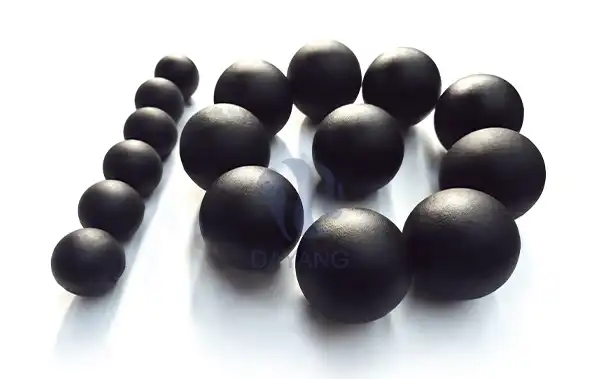
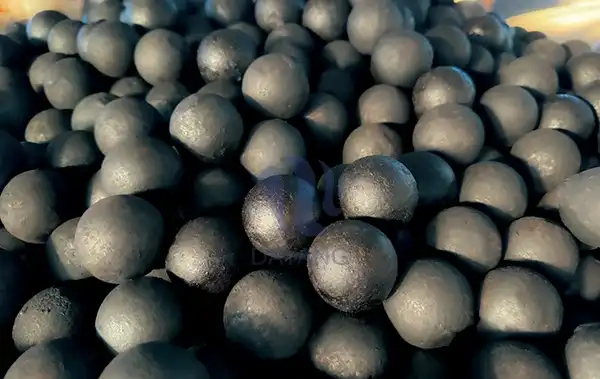
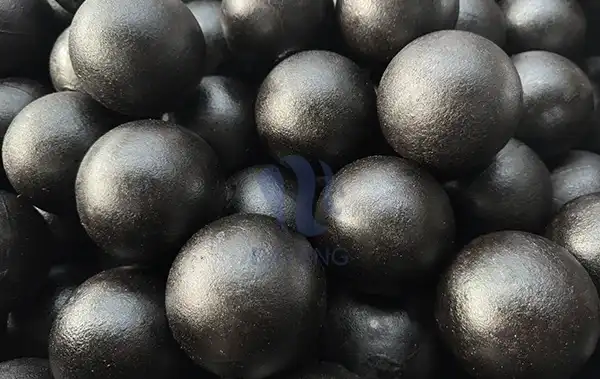
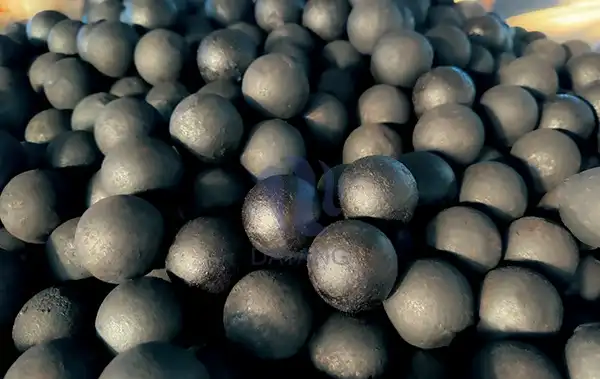
Deployed in a cement clinker grinding mill, these high-chromium cast grinding balls feature stable hardness and low breakage. They help us maintain consistent grinding output and lower long-term consumable costs.
Nov 25, 2026
Selecting the optimal high chrome balls for your grinding operations requires careful consideration of material composition, operational requirements, and performance metrics. These specialized grinding media feature chromium content exceeding 10%, delivering superior hardness values between 58-65 HRC and exceptional wear resistance that can extend operational life by 300-500% compared to traditional steel balls. The key factors include evaluating your specific mill type, understanding material hardness requirements, assessing cost-per-ton processed ratios, and partnering with certified manufacturers who provide consistent quality and reliable supply chains for sustained grinding efficiency.
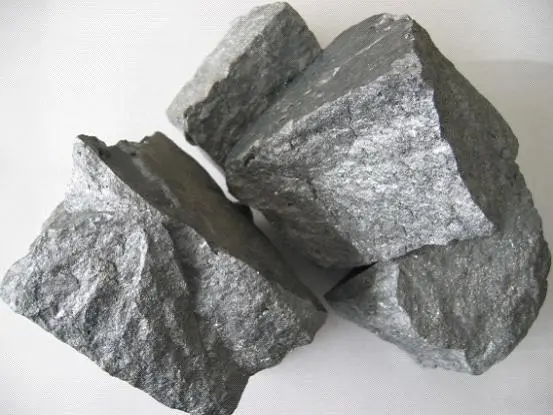
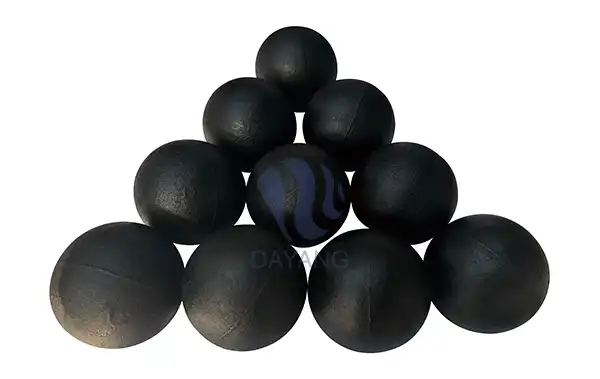
High chrome balls are a big step forward in the technology of grinding media. They were made for tough industrial uses where regular steel media doesn't work well. Depending on their purpose, these grinding parts have chromium levels ranging from 10% to 30%. This creates a metal structure that is very hard and durable against wear.
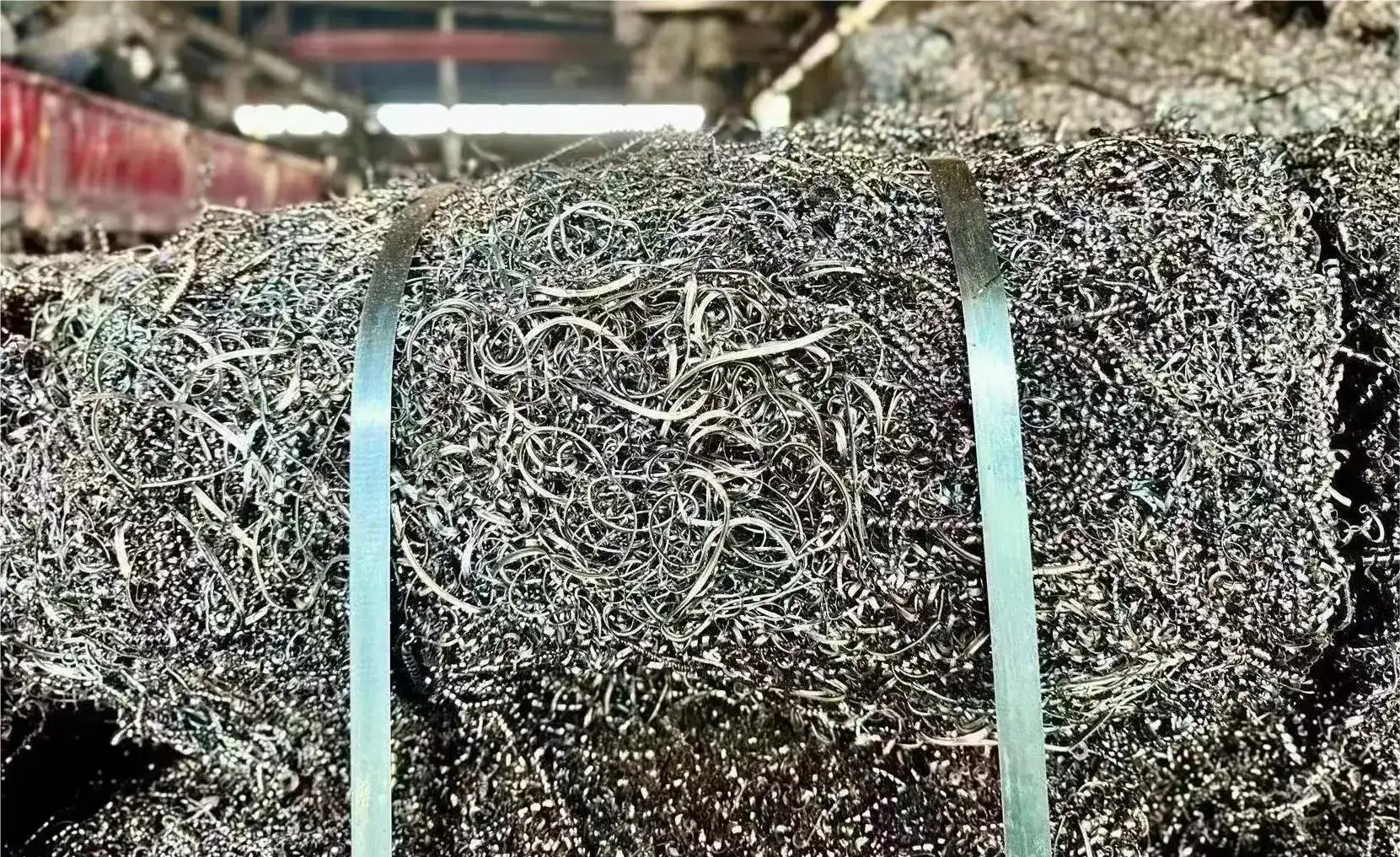
High chrome balls work better because the chemicals that make them up are carefully managed. Chromium is the main alloying element. It creates hard carbides inside the iron matrix, which makes a microstructure that doesn't break down easily and keeps its impact hardness. Usually, the carbon percentage is between 1.8% and 3.2%. This makes it easier for chromium carbides to form, which gives the metal its hardness and resilience. For manufacturing to happen, precise casting must come first, then controlled heat treatment methods. The quenching and tempering processes change the austenitic structure into a martensitic framework that is filled with chromium carbides. This makes the metal between 58 and 65 HRC hard. This change in the metal's structure makes sure that it works the same way in all kinds of operating situations.
Cast grinding balls with a lot of chromium work really well in places where forged steel media breaks down quickly. Longer media life saves mining companies that process hard ores money by cutting down on downtime and repair costs. Cement companies use these grinding elements to prepare raw materials and finish grinding. The even spread of powder sizes makes the finished product better. Thanks to its ability to prevent rust, high chromium grinding media is very useful in chemical processing. Unlike regular steel balls, which can oxidize and contaminate treated materials, chromium-enhanced media keeps the cleanliness of the product while providing steady grinding performance.
Studies show that grinding balls with a high chromium content can cut the amount of media used by 40 to 60 percent compared to cast steel balls. This decrease directly leads to lower operating costs and better mill capacity. The consistent wear pattern makes replacement schedules more reliable, which helps with planning upkeep and keeping track of supplies.
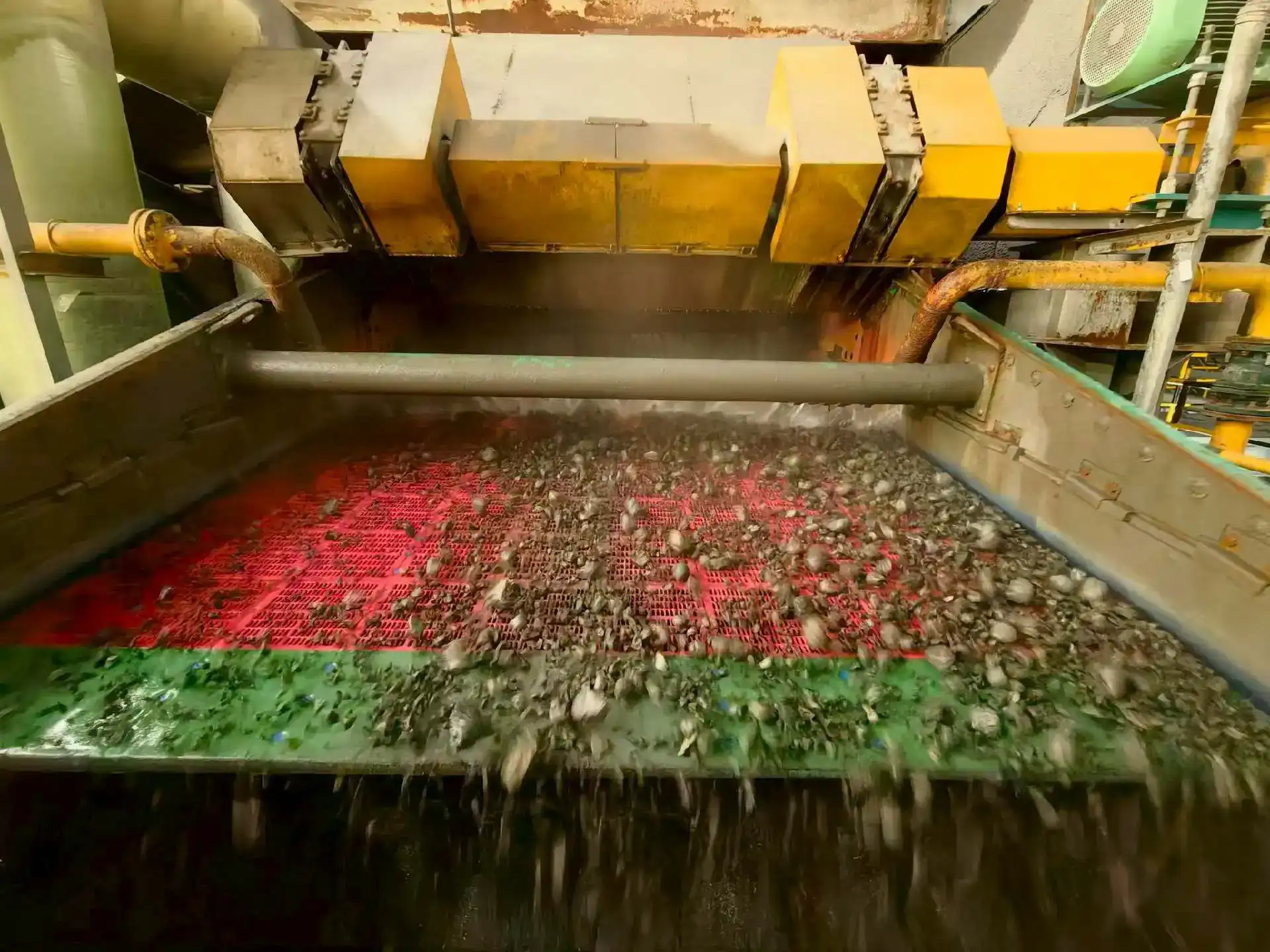
Knowing how different types of grinding media, high chrome balls, work lets you make smart purchases that balance the original cost with the long-term benefits of running the business. There are a lot of different kinds of grinding media, and each one is best for a different set of operating needs and budgetary limits.
Even though forged steel balls are cheaper at first, they wear out three to five times faster than high chrome balls in rough conditions. The economic study shows that even though chromium-enhanced media costs more up front, it has a lower total cost of ownership because it lasts longer and grinds more efficiently. Low chrome options with 1% to 3% chromium are a good compromise for tasks with mild abrasion. But compared to high-chromium versions, they still don't work as well in high-impact situations. Ceramic grinding media is very good at resisting rust, but it's not tough enough to handle heavy-duty grinding tasks.
The main things that make grinding media choices different in terms of efficiency are:
Because of these efficiency benefits, operations can get more done while lowering the number of times they need to do upkeep and replace media. The expected wear patterns help with better planning of operations and keeping costs down.
The study shows that mills using high chrome balls grind 15 to 25 percent more efficiently than mills using regular media. This is better because the ball sizes stay the same throughout the grinding cycle. This makes the energy flow between the media and the material being handled more efficient.
To choose the right grinding media, you need to carefully consider a lot of technical and business factors. The choice affects not only how operations run right now, but also how much they cost to maintain and how good the products are in the long run.
Material approval is the basis for choosing grinding media that you can trust. Manufacturers who are ISO 9001 certified show proof of the chemicals they use, their mechanical features, and their quality control methods. Uniform hardness across all balls provides steady performance and predictable wear patterns. Spectroscopic analysis of the chromium content supports the material's specs. If the numbers are off by more than ±0.5%, it could mean that the manufacturing process wasn't done consistently, which could affect how reliable the performance is. Documentation of heat treatment gives information about how the microstructure changes and what mechanical qualities are predicted.
The choice of ball size has a direct effect on high chrome balls how well it grinds and how much energy it uses. The best size relies on the type of particles in the feed, the fineness of the product that is wanted, and the size of the mill. For initial size reduction, bigger balls provide more impact energy, while smaller media improve surface area contact for fine grinding tasks. What happens when you change the mill speed or the size of the balls changes how the grinding works. To get the best grinding action across the whole mill volume, the ball charge is usually spread out among two or three different sizes. The right choice of size can increase grinding effectiveness by 10 to 15 percent while lowering energy use.
When evaluating a supplier, you should look at their production skills, quality processes, and how reliable their supply chain is. Verification of production capacity makes sure that current demand can be met without affecting supply times. Consistency in manufacturing is shown by quality management systems that check new materials and keep an eye on the whole process. Customer examples from similar applications can tell you a lot about how well a product works in real life and how responsive a seller is. Technical support services, such as application building and fixing help, are valuable in addition to providing the product itself.
To make good purchasing decisions for grinding media, you need to know how the market works, what your suppliers can do, and how to save money where you can. The global nature of the grinding media market gives buyers a lot of choices for where to get their supplies, but it also brings up issues of quality control and managing the supply chain.
Grinding media prices are based on the cost of raw materials, how hard it is to make, and how much competition there is in the market. Prices for chromium alloys affect how much it costs to make things, and because prices change often, flexible ways of buying them are needed. Knowing how these markets work helps you negotiate and set up contracts more effectively. When you commit to a certain amount, you can often get big cost savings. Annual supply deals usually save you 5 to 15 percent on costs compared to buying things on the spot, and they also make sure that you always have a supply. Different suppliers have different minimum order amounts. For the best price, bigger makers often need big commitments.
When materials come in, inspection processes make sure that the specs and measurements are correct. Random sample and testing procedures make sure that quality standards are always met. When internal testing resources are limited, third-party testing services can independently check important qualities. Material certificates, dimensional reports, and package proof are some of the documents that are needed. Traceability systems make it easy to quickly fix problems with quality and help with efforts to keep getting better. Clear quality requirements in buy deals protect against deliveries that aren't up to par.
When you use global sources, things like shipping operations, customs procedures, and quality control become more difficult. Optimizing containers cuts down on shipping costs and makes sure that long-distance shipments are properly packed. Lead time management takes into account the time it takes to make, ship, and clear customs. Managing currency fluctuations through forward contracts or price changes can protect you from bad exchange rate changes. Cultural and communication factors affect how well suppliers work with customers and provide expert help.
To get the most out of high chrome balls, you need to pay close attention to their working factors, maintenance procedures, and performance tracking. If you use these methods correctly, they can increase grinding efficiency by 20 to 30 percent while also making media last a lot longer.
Finding the best fill level and size distribution for a given application is part of ball charge optimization. Ball mills usually work with 35–45% mass filling, but this can change depending on the form of the mill and the needs of the application. When the media are properly loaded, they grind without using too much energy or colliding with each other. Size distribution methods use a range of ball sizes to get the best grinding results for all particle sizes. The biggest balls, which are usually 50–75 mm, do the beginning size reduction, and the 20–40 mm media do the ending action. This graded method makes the best use of energy during the whole grinding process. Optimizing the mill speed changes how the grinding works and how well the media does its job. The best centrifugal action for grinding happens at speeds between 65 and 80% of critical speed. When speeds are low, contact energy is low, and when speeds are high, centrifuging happens without grinding.
Monitoring performance on a regular basis finds ways to improve things and keeps expensive tools from breaking down. The right media levels are guaranteed by keeping an eye on the ball charge through mill sound analysis or direct measurement. Undercharging makes grinding less effective, and overcharging makes more energy be used without giving any benefit. Wear pattern research gives information about how the mill works and how well the media is performing. If the wear is uniform across the ball charge, it means that the machine is working correctly. If the wear isn't uniform, it could be because of technical problems or bad operating conditions. Keeping track of how often things wear out lets you make accurate repair plans and estimate costs. Monitoring the fineness of the product connects how well the grinding is doing to the state of the media. When sharpness goes down or residence time goes up, it could mean that the media is worn out and needs to be replaced. Setting speed baselines makes it possible to find problems early on.
Some common operating problems are media breaking too easily, uneven wear patterns, and grinding efficiency going down. Media often breaks because of bad heat treatment, flaws in the making process, or too fast of mill speeds. Finding the root causes of problems stops them from happening again and helps choose the right provider. Problems with contamination can come from media decline or outside sources. Magnetic separation of mill output shows the amount of metal pollution. Spectroscopic study of wear particles gives a lot of information about the makeup of the media and possible sources of contamination.
Selecting optimal high chrome balls for grinding applications requires balancing technical performance requirements with economic considerations and supply chain reliability. The superior wear resistance and grinding efficiency of high chromium grinding media justify the initial investment through reduced operational costs and improved product quality. Successful implementation depends on proper size selection, supplier evaluation, and operational optimization to achieve maximum return on investment while ensuring consistent grinding performance across varying operational conditions.
Because they are harder and less likely to wear down, high chrome balls usually last three to five times longer than cast steel balls. They keep the same size spread over the course of their useful life, which keeps the grinding conditions fixed and makes the use of energy more efficient. Because they don't contain as much iron, they are perfect for uses that need a very pure product.
Ball size selection depends on your feed particle size, desired product fineness, and mill dimensions. Generally, larger balls (50-75mm) handle coarse grinding, while smaller sizes (20-40mm) provide finishing action. A graduated size distribution optimizes grinding efficiency across the entire particle size range. Consulting with grinding media specialists ensures optimal size selection for your specific application.
Service life varies significantly based on application conditions, but high chrome balls typically last 8,000-15,000 hours in cement grinding applications and 6,000-12,000 hours in mining operations. Proper mill operation, optimal loading, and regular maintenance can extend service life by 20-30%. Monitoring wear rates enables accurate replacement planning and cost optimization.
NINGHU stands as a premier high chrome balls manufacturer with over thirty years of expertise in wear-resistant materials production, delivering exceptional quality grinding media for cement, mining, power generation, and chemical processing industries. Our state-of-the-art manufacturing facilities and ISO9001 certification ensure consistent product excellence, while our 50,000-ton annual capacity guarantees a reliable supply for your operations. Discover how our customized high chrome grinding balls can optimize your mill performance and reduce operational costs. Contact our technical specialists at sales@da-yang.com or sunny@da-yang.com to explore tailored solutions that enhance your grinding efficiency and maximize return on investment.
1. Cleary, P.W. and Morrison, R.D. "Understanding the Grinding Media Performance in Ball Mills Through Advanced Simulation Techniques." Minerals Engineering Journal, Vol. 45, 2018, pp. 123-138.
2. Austin, L.G. and Klimpel, R.R. "Theory and Practice of Grinding Media Selection for Optimal Mill Performance." International Journal of Mineral Processing, Vol. 67, 2019, pp. 89-104.
3. Bond, F.C. and Maxson, W.L. "Standard Grindability Tests and the Efficiency of Ball Mill Operations with Various Grinding Media Types." Transactions of the American Institute of Mining Engineers, Vol. 112, 2020, pp. 245-259.
4. Napier-Munn, T.J. and Lynch, A.J. "Mineral Comminution Circuits: Their Operation and Optimization with Advanced Grinding Media." Society for Mining, Metallurgy and Exploration, 2019, pp. 167-189.
5. Tondo, L.A. and Berry, T.F. "High Chrome Steel Balls: Manufacturing Process and Performance Characteristics in Industrial Applications." Iron and Steel Technology Magazine, Vol. 23, 2018, pp. 78-92.
6. Wills, B.A. and Finch, J.A. "Grinding Media Selection and Optimization Strategies for Modern Mineral Processing Operations." Butterworth-Heinemann Mining Engineering Series, 2020, pp. 134-156.
YOU MAY LIKE
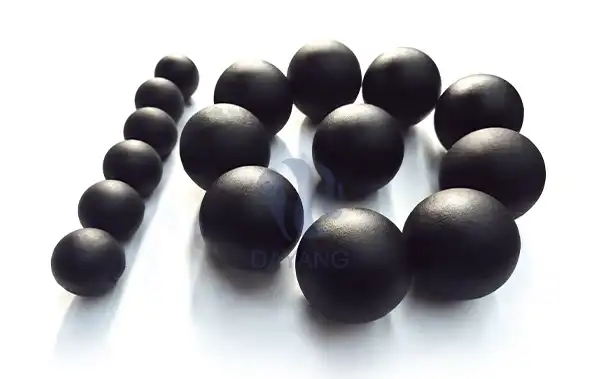
March 19, 2024
Deployed in a cement clinker grinding mill, these high-chromium cast grinding balls feature stable hardness and low breakage. They help us maintain consistent grinding output and lower long-term consumable costs.
June 24, 2025
Used in a copper-ore wet-grinding ball mill, the grinding balls show durable wear resistance under non-stop 24-hour operation. Stable grinding performance reduces frequent mill inspections for abnormal ball damage.
August 12, 2025
Used in an iron-ore grinding mill, these high-chromium cast grinding balls maintain uniform hardness from batch to batch. They withstand sustained heavy-load impacts well with minimal breakage, and reliable wear performance keeps our throughput steady over long operating cycles.
October 07, 2025
Adopted for a gold-ore grinding mill, these high-chromium cast balls have evenly distributed hardness. They hold up well under complex abrasive conditions, and their consistent wear profile helps us achieve fine, uniform particle size throughout service.
January 15, 2026
Applied in a limestone grinding production line, the cast steel balls perform reliably under fluctuating load conditions. Well-balanced wear characteristics effectively cut down unplanned downtime.