.webp)
.webp)
.webp)
.webp)
.webp)
.webp)
.webp)
March 19, 2024
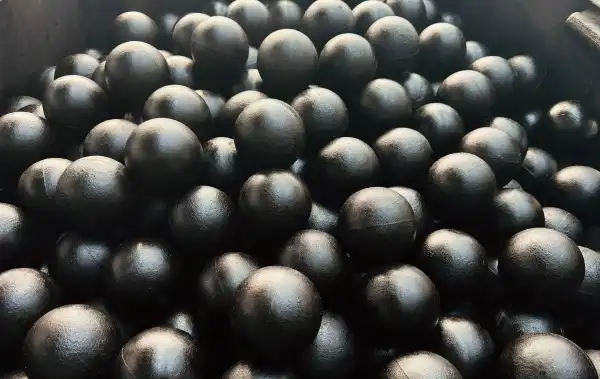
Deployed in a cement clinker grinding mill, these high-chromium cast grinding balls feature stable hardness and low breakage. They help us maintain consistent grinding output and lower long-term consumable costs.
Jul 2, 2024
Grinding balls, integral to a range of industrial applications, are especially vital within the mining and cement sectors. Their primary function is to reduce ores and various materials to a finer consistency, which is essential for streamlined extraction or processing. Despite their importance, the issue of grinding balls breaking frequently poses a significant challenge to these industries. Such breakage can disrupt operations, resulting in extended periods of inactivity and escalating costs.
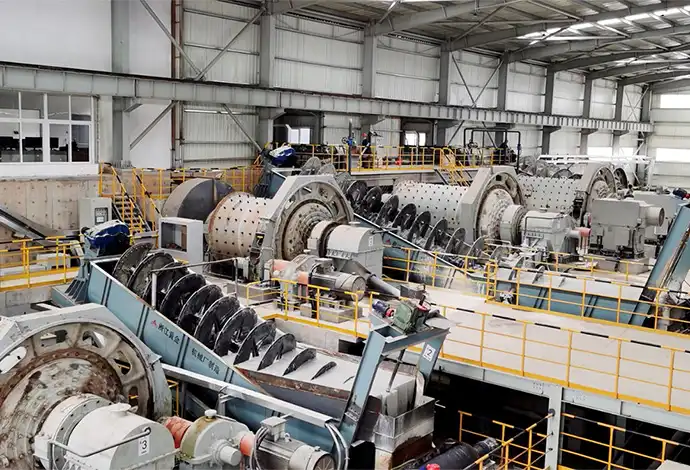
This article delves into the underlying causes of grinding ball breakage, offering insights into the factors that contribute to this phenomenon. It examines the conditions under which grinding balls are most likely to fail, including the abrasive nature of the materials they interact with, the intensity of the forces they endure, and the environmental conditions within the mills.
Furthermore, the article presents a range of preventative strategies aimed at mitigating the risk of grinding ball breakage. These strategies encompass the selection of high-quality materials for the grinding balls, the implementation of regular maintenance and inspection routines, and the optimization of the grinding process itself to reduce the stress on the balls.
By understanding the reasons behind grinding ball breakage and adopting effective preventative measures, industries can minimize the occurrence of such incidents. This, in turn, can lead to a reduction in downtime, lower operational costs, and an overall improvement in the efficiency and reliability of the grinding processes.
Grinding ball, critical elements in the operation of mills, are frequently exposed to severe mechanical and thermal stresses that can result in their breakage. Recognizing the fundamental causes of such breakage is imperative for devising strategies that effectively prevent it. The article below elaborates on the common factors that contribute to the failure of grinding balls:
Impact and Wear: The grinding balls endure high-energy impacts, both with the ore particles and with each other, which can accelerate wear and ultimately lead to breakage.
Material Defects: Intrinsic flaws within the material makeup or during the manufacturing process of the balls can precipitate early failure, as these defects can act as stress concentrators.
Improper Loading: Loading the mill with either too few or too many grinding balls can result in uneven distribution of forces, causing localized areas of excessive wear and a higher likelihood of breakage.
Improper Ball Handling: The manner in which grinding balls are handled during their lifecycle, from transportation to installation, can introduce damage such as cracks, which compromise their structural integrity.
Corrosion: The chemical interactions between the grinding balls and the corrosive substances present in ore slurries or the mill environment can erode the ball surfaces, making them more susceptible to breakage.
To address these challenges, the industry has been focusing on several fronts:
Optimizing Ball Composition: By selecting materials with enhanced hardness and toughness, the industry aims to improve the durability of grinding balls against wear and impact.
Improving Manufacturing Processes: Advances in manufacturing technologies are employed to eliminate or minimize material defects, ensuring a more uniform and robust product.
Enhancing Operational Parameters: Fine-tuning the operational conditions, such as mill loading and speed, can help distribute the forces more evenly across the grinding balls, reducing the risk of localized wear and breakage.
Proper Handling and Storage: Implementing rigorous handling and storage protocols can prevent damage to the grinding balls during their transportation and storage.
Corrosion Protection: Applying protective coatings or selecting materials with higher resistance to chemical corrosion can help preserve the integrity of the grinding balls.
Several factors play critical roles in determining the durability of grinding balls:
By carefully considering these factors, operators can improve the longevity of grinding balls and minimize the frequency of breakage.
Preventive measures and best practices are essential for reducing grinding ball breakage:
By integrating these strategies into operational protocols, industries can achieve more efficient and sustainable grinding processes while extending the service life of grinding balls.
In conclusion, preventing grinding ball breakage is crucial for maintaining productivity and cost-effectiveness in industrial grinding operations. By addressing factors like material quality, operational parameters, and maintenance practices, industries can mitigate the challenges associated with grinding ball breakage and optimize their milling processes.
March 19, 2024
Deployed in a cement clinker grinding mill, these high-chromium cast grinding balls feature stable hardness and low breakage. They help us maintain consistent grinding output and lower long-term consumable costs.
June 24, 2025
Used in a copper-ore wet-grinding ball mill, the grinding balls show durable wear resistance under non-stop 24-hour operation. Stable grinding performance reduces frequent mill inspections for abnormal ball damage.
August 12, 2025
Used in an iron-ore grinding mill, these high-chromium cast grinding balls maintain uniform hardness from batch to batch. They withstand sustained heavy-load impacts well with minimal breakage, and reliable wear performance keeps our throughput steady over long operating cycles.
October 07, 2025
Adopted for a gold-ore grinding mill, these high-chromium cast balls have evenly distributed hardness. They hold up well under complex abrasive conditions, and their consistent wear profile helps us achieve fine, uniform particle size throughout service.
January 15, 2026
Applied in a limestone grinding production line, the cast steel balls perform reliably under fluctuating load conditions. Well-balanced wear characteristics effectively cut down unplanned downtime.