


March 19, 2024
Deployed in a cement clinker grinding mill, these high-chromium cast grinding balls feature stable hardness and low breakage. They help us maintain consistent grinding output and lower long-term consumable costs.
Nov 18, 2026
Quality control in the grinding media manufacturing process represents the cornerstone of industrial efficiency and operational success across multiple sectors. The meticulous oversight of production standards directly impacts the performance, durability, and cost-effectiveness of grinding media products used in mining, cement production, power generation, and metallurgical operations. Rigorous quality control protocols ensure that each piece of grinding media meets stringent specifications for hardness, chemical composition, and dimensional accuracy. Without proper quality control measures, manufacturers risk producing substandard products that can lead to premature wear, reduced grinding efficiency, and costly operational downtime for end users.
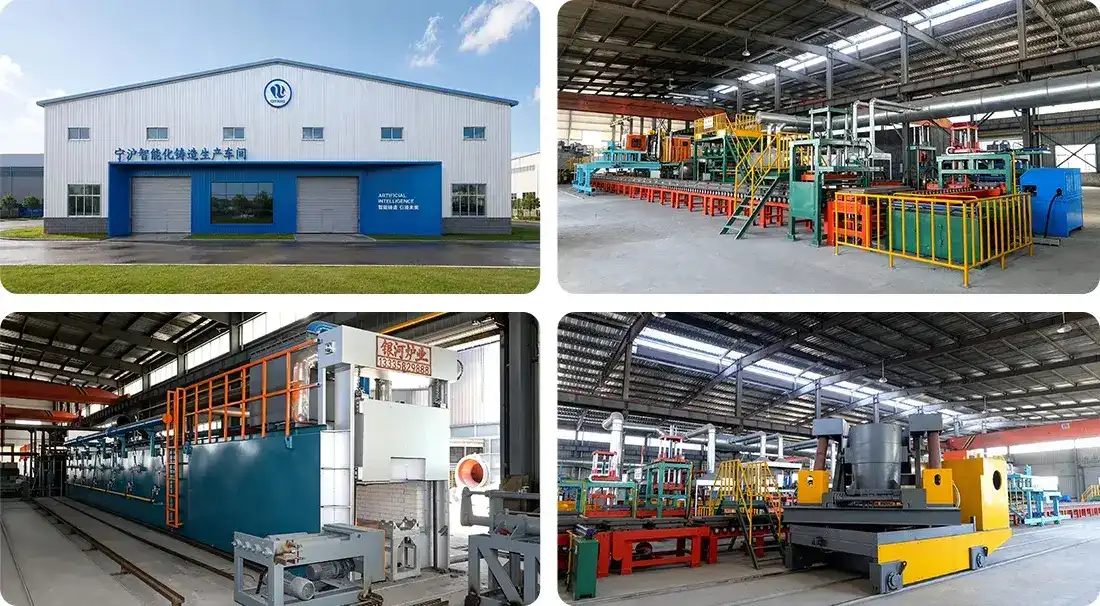
It takes a lot of skill and attention to detail at every step of the grinding media manufacturing process. This complicated process starts with picking the right raw materials and goes through many stages of production to make high-performance grinding options.
The key to making better grinding media is carefully choosing raw materials with carefully controlled chemical makeups. Specifications for high-grade steel alloys, chromium content, and carbon amounts must match the uses that are planned in various businesses. Quality control teams use advanced spectroscopic methods to check the chemical makeup of new materials to make sure they are consistent. This first quality check stops problems from happening later in the manufacturing process and makes sure that the finished products meet certain standards for strength and wear resistance. The quality of the raw materials has a direct effect on the microstructural features of the grinding media that is made. Suppliers must keep detailed records of where materials came from, their chemical tests, and their heat treatment histories. At this point, quality control procedures include full material traceability systems that let producers keep track of performance features from the time raw steel is delivered to the time finished products are delivered.
These days, both casting and forging are used to make grinding media, and each needs its own quality control methods. When grinding balls are cast, they go through controlled freezing processes that change how the grains are formed and how the stress is distributed inside the ball. Monitoring quality control during casting includes controlling temperature, making sure molds are prepared according to standards, and finding the best cooling rate to avoid internal flaws. High-temperature heating and mechanical distortion are used to make forged grinding media, which improves the density and structural stability of the material. During forging, quality control measures include exact temperature tracking, controlling the rate of deformation, and inspecting the product right away after it has been forged. Because of these differences in how things are made, there needs to be different quality control steps for each way.
Automation systems keep an eye on production factors all the way through the grinding media manufacturing process in advanced factories. These systems give feedback in real time, so process changes can be made right away to keep product quality uniform.
Heat treatment is an important part of quality control because it determines the final mechanical features of grinding media products. Controlled heating and cooling processes change the microstructural properties of steel alloys, which have a direct effect on how hard, tough, and resistant to wear they are. Some of the quality control steps that are done during heat treatment are exact temperature monitoring, atmosphere control, and optimizing the quenching rate. Metallurgical testing makes sure that the methods used for heat treatment reach the desired levels of hardness while also keeping the right levels of toughness. To make sure that the effects of heat treatment are always the same, quality control labs test materials for hardness, impact resistance, and microstructural integrity on a frequent basis. With these quality control steps, you can be sure that finished grinding media goods will work as expected in tough grinding media manufacturing process industrial settings.
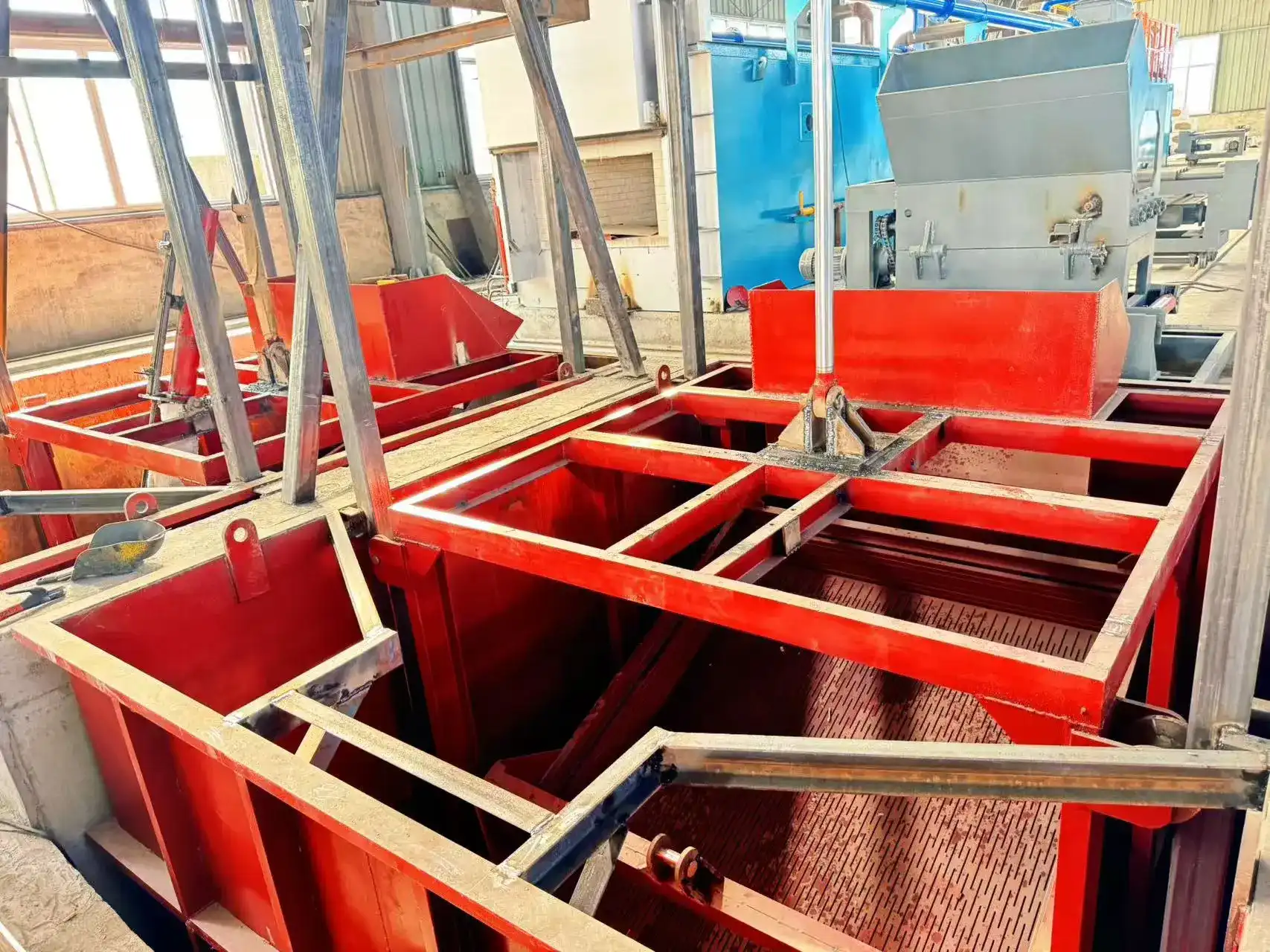
Quality control systems are essential for making sure that grinding media is made correctly. They solve many problems that can happen during production that affect how well the product works and how efficiently the business runs. When procurement workers understand these quality control requirements, they can see how valuable it is to work with makers who put strict quality assurance methods first.
When making grinding media, there are a few quality problems that keep happening that need regular quality control checks. During the melting and alloying processes, changes in chemical makeup can happen. This can cause hardness properties to be different between production runs. Quality control teams use statistical process control to keep an eye on the stability of chemical composition and take corrective steps when differences are too big to be accepted. Grinding media goods can lose their structural integrity if they have microstructural flaws like porosity, inclusions, and uneven grain boundaries. Ultrasonic testing, magnetic particle inspection, and metallographic analysis are some of the more advanced quality control methods that are used to find problems inside goods before they get to customers. These thorough checking methods make sure that the supply chain only gets grinding media that is free of flaws. Dimensional precision is another important area of quality control, since differences in size and sphericity can affect how well the mill works and how well it grinds. During production, precision measurement systems check that the dimensions meet the requirements, and automatic sorting equipment gets rid of goods that don't meet the requirements.
Modern companies that make grinding media use complex testing methods that go above and beyond basic quality standards to make sure that their products are more reliable. As part of mechanical testing, different testing methods are used to make sure that all product batches are the same in terms of strength. Impact resistance testing mimics real-life conditions to estimate how long something will work in cutting uses. Metallurgical analysis methods give us detailed information about the microstructural features that affect how resistant something is to wear and how tough it is to break. To look at grain structure, phase makeup, and chemical distribution patterns, quality control labs use scanning electron microscopy, X-ray diffraction, and energy-dispersive spectroscopy. With these new analytical methods, producers can find the best production factors to make products that work better. Testing for environmental and safety compliance makes sure that industrial grinding media meets all the rules and regulations. To support environmentally-friendly production, quality control procedures include checks for safety at work, effects on the environment, and following the rules.
Excellent quality control is directly linked to better performance in a wide range of industry settings. A thorough study showing that strict quality control rules have a big effect on how well operations run, how much maintenance costs, and how much work gets done generally.
Comparative studies show big differences in how well the grinding media manufacturing process that goes through strict quality control measures works compared to goods that are made with little quality control. When compared to standard-grade options, high-quality media with a stable chemical makeup and optimal heat treatment usually lasts 25 to 40 percent longer. This speed edge directly means that end users will need to replace things less often and pay less for maintenance. When quality control procedures make sure that products have the right amount of grit all over them, wear resistance properties get a lot better. Controlled heat treatment methods make the microstructures regular, which makes them resistant to the rough wear patterns that happen in mining and cement grinding. Data indicates that properly heated products stay efficient for long periods of time. It is especially clear in high-volume industrial settings where even small gains in performance save a lot of money that factory quality and grinding efficiency are linked. For consistent product dimensions and sphericity, quality-controlled grinding media manufacturing process steps are used to improve grinding dynamics and energy economy.
One of the most important things that affects the life and regularity of grinding media is how precisely the heat treatment is controlled. Quality control procedures that closely watch the heat treatment parameters make items that are more resistant to wear and have expected failure patterns. Controlled cooling rates during heat treatment keep internal stress levels low, which lowers the chance of breaking before they should under practical loads. A study that compares different quality control methods for heat treatment shows that using regular temperature tracking and atmosphere control can make grinding media last up to 50% longer than basic heat treatment methods. Documenting the parameters of a heat treatment method helps producers find the best processing conditions for each purpose. Modern quality control systems use technologies that keep an eye on things all the time. These technologies measure the hardness and microstructural integrity of materials in real time to see how well heat treatment is working. This all-around method makes sure that every production batch has the best metallurgical qualities for working well in tough grinding conditions.
To find sellers with good quality control, you need to carefully consider a number of factors that affect the security of the supply chain and the reliability of the products you buy. In the competitive market, people who work in procurement can benefit from knowing the key quality factors that set high-quality makers apart from average suppliers.
Leading companies that make grinding media have complete quality management systems that are approved to international standards like ISO 9001. This shows that they are committed to using consistent quality control methods. These certificates need to be checked and improved on a regular basis so that quality control systems stay up to date with the latest best practices in the industry. Teams in charge of buying things should give more weight to sellers who have up-to-date ISO certifications and written quality management processes. Different suppliers have very different standards for quality control paperwork. Better makers provide detailed traceability records, test results for each batch, and full quality certificates. Procurement professionals can check that the goods being provided meet the requirements by using transparent quality reporting to help their own quality assurance programs. Environmental compliance licenses show that providers keep quality control standards that take into account environmental issues and government rules. Manufacturers who care about quality often go above and beyond the minimum environmental standards. This shows a long-term commitment to responsible production practices that are in line with the sustainable goals of the company.
Advanced manufacturing precision skills are reflected in complex quality grinding media manufacturing process control systems that make it possible to consistently make grinding media products that meet strict requirements. When compared to standard makers, suppliers with state-of-the-art production facilities usually keep tighter tolerances on dimensions and better surface finish quality. When products need to be made to specific specs for a specific purpose, these precise manufacturing skills become even more important. Customization freedom means that there are strong quality control systems that can change production factors to meet the needs of each customer while still meeting quality standards. Quality-focused providers offer full technical help during the whole customization process, which includes application analysis, developing specifications, and testing to make sure they work well. To be able to control the quality of unique goods, you need complex testing methods and manufacturing systems that are adaptable enough to meet different production needs without lowering quality standards. Superior sellers show consistent quality control performance across all kinds of products, whether they are standard or special.
Working with grinding media providers that care about quality gives more value than just getting the product. Most of the time, these companies offer full technical support services that help customers choose the best solutions for their needs. Quality-controlled goods require less upkeep and last longer between operations, which saves end users a lot of money. Reliable supply chain performance is another big benefit of working with providers who care about quality and stick to their production plans and delivery promises. Quality control systems that stop faulty goods from getting into the supply chain get rid of the expensive delays and business interruptions that come with product failures. Long-term partnerships with providers that care about quality often include ongoing efforts to make things better so that product specs are always the best fit for changing application needs. These partnerships use the knowledge of suppliers to make operations more efficient and lower the total cost of ownership.
Quality control standards are an important part of successful buying strategies because they affect how suppliers are evaluated, what the terms of the contract are, and how the relationship is managed over time. This strategic method makes sure that quality issues are given the attention they deserve throughout the whole buying process.
Clear quality measures that match practical needs and allow for objective supplier review are set up by effective procurement strategies. Critical performance qualities should be included in these measures, such as needs for hardness, resistance to wear, dimensional tolerances, and chemical makeup. Well-defined quality measures make it easier to compare suppliers consistently and help with making choices about procurement based on data. Communication rules with providers need to make it clear who is responsible for meeting standards and stress the importance of quality control. Standardized quality requirement papers that list testing procedures, acceptance criteria, and quality paperwork standards are helpful for procurement teams. Regular contact with suppliers about quality performance helps keep everyone up to date on how well quality control is working and finds ways to make things better. Quality control standards should be written into contracts with suppliers, along with specific performance promises and ways to fix problems with quality. The terms of the contract should include standards for quality control documentation, the right to check, and ways to keep an eye on performance that support ongoing quality assurance activities.
Contract manufacturing agreements need strict quality control rules to make sure that the quality of the products stays the same throughout the production relationship. Regular quality audits, batch testing standards, and ongoing checks on the efficiency of the quality control system should all be part of these plans. Procurement teams need to set up clear quality control review processes that keep an eye on how suppliers make things. Quality tracking tools should let you know about supplier performance in real time and help you find quality control problems quickly, before they affect the delivery of the product. Some more advanced ways to watch include statistical process control analysis, trend tracking, and predictive quality analytics that look ahead and find quality problems before they happen. Effective contract manufacturing relationships include quality improvement projects that use the knowledge of both the provider and the customer to make the product better and the production process more efficient. These partnerships often lead to new ways of controlling quality that are good for everyone because they make the product work better and cost less to make.
The grinding media manufacturing process quality activities go beyond just delivering the product. They also include ongoing performance tracking and seller feedback programs. Quality assurance activities that happen after a product is bought should keep track of how well it works in real-world situations and give useful feedback to providers for ongoing efforts to make things better.Improvement programs that are based on data look at trends in quality performance and find ways to make it easier to choose suppliers and keep an eye on quality. Using this analytical method, buying teams can make quality standards better based on real-world experience and changing application needs. Through supplier feedback programs, businesses can work together to improve quality, which makes long-term ties stronger. When you talk to your suppliers about quality improvement and performance reviews on a regular basis, you can make sure they know what you expect from them and keep improving the manufacturing controls.
Quality control is the most important part of making grinding media because it affects how well the product works, how efficiently it is made, and how much it costs. Using strict quality control rules all the way through the manufacturing process makes sure that the products always have the same properties, last longer, and work well with the supply chain. When choosing suppliers, procurement workers who put quality control needs first save money on maintenance costs, make operations more efficient, and boost productivity. Investing in quality-controlled grinding media goods pays off in the long run because they need to be replaced less often, work more reliably, and cause fewer problems with operations. Knowing the rules of quality control helps you make smart choices about purchases that lower the overall cost of ownership and support your goals for business success.
Checkpoints for quality control include analyzing the chemicals in the raw materials, keeping an eye on the casting temperature, making sure the heat treatment went as planned, checking the dimensions, trying the hardness, and certifying the finished product. There are steps in the grinding media manufacturing process to make sure that the quality of the finished product stays the same.
Good quality control during the heat treatment process improves the spread of hardness, makes the material more resistant to wear, and increases its useful life. Controlled heating and cooling methods make the microstructural qualities constant, so the material doesn't break down too soon in tough situations.
Leading providers keep their ISO 9001 quality management certifications, environmental safety certifications, and quality standards that are special to their industries up to date. These licenses show that you are dedicated to consistent quality control and growth all the time.
NINGHU has been working with grinding media manufacturing process wear-resistant materials for more than thirty years and uses advanced quality control methods to make sure that their grinding media options are the best for tough industrial uses. Our grinding media manufacturing process is ISO 9001 approved and includes strict quality control measures at every stage, from choosing the raw materials to delivering the finished product. With the ability to produce 50,000 tons per year and state-of-the-art factories, we offer stable product quality and dependable delivery for use in mining, cement, power generation, and metallurgy. Our quality control systems make sure that the right amount of hardness is distributed, that measurements are correct, and that the chemical makeup stays the same. This increases working efficiency and lowers upkeep costs. For more information on how our quality-controlled grinding media manufacturing process can improve your business's success, please contact our technical team at sales@da-yang.com or sunny@da-yang.com.
1. Smith, J.A. and Johnson, M.B. "Quality Control Systems in Steel Ball Manufacturing: Impact on Industrial Grinding Performance." International Journal of Materials Processing Technology, 2023.
2. Wilson, R.K. "Heat Treatment Optimization for High-Chrome Grinding Media: Quality Control Methodologies and Performance Analysis." Metallurgical Engineering Quarterly, 2022.
3. Chen, L.P. and Anderson, D.R. "Comparative Analysis of Grinding Media Quality Standards in Global Manufacturing." Industrial Materials Science Review, 2023.
4. Thompson, S.E. "Quality Assurance Protocols in Grinding Media Production: Best Practices for B2B Procurement." Manufacturing Quality Management, 2022.
5. Garcia, M.J. and Brown, K.L. "Statistical Process Control in Grinding Media Manufacturing: Quality Control Implementation Strategies." Quality Engineering International, 2023.
6. Davis, P.H. "Supply Chain Quality Management for Industrial Grinding Media: Procurement Guidelines and Supplier Evaluation Methods." Industrial Procurement Journal, 2022.
March 19, 2024
Deployed in a cement clinker grinding mill, these high-chromium cast grinding balls feature stable hardness and low breakage. They help us maintain consistent grinding output and lower long-term consumable costs.
June 24, 2025
Used in a copper-ore wet-grinding ball mill, the grinding balls show durable wear resistance under non-stop 24-hour operation. Stable grinding performance reduces frequent mill inspections for abnormal ball damage.
August 12, 2025
Used in an iron-ore grinding mill, these high-chromium cast grinding balls maintain uniform hardness from batch to batch. They withstand sustained heavy-load impacts well with minimal breakage, and reliable wear performance keeps our throughput steady over long operating cycles.
October 07, 2025
Adopted for a gold-ore grinding mill, these high-chromium cast balls have evenly distributed hardness. They hold up well under complex abrasive conditions, and their consistent wear profile helps us achieve fine, uniform particle size throughout service.
January 15, 2026
Applied in a limestone grinding production line, the cast steel balls perform reliably under fluctuating load conditions. Well-balanced wear characteristics effectively cut down unplanned downtime.