


March 19, 2024
Deployed in a cement clinker grinding mill, these high-chromium cast grinding balls feature stable hardness and low breakage. They help us maintain consistent grinding output and lower long-term consumable costs.
Nov 18, 2026
The effectiveness of milling operations across industries heavily depends on the quality and selection of grinding balls used in ball mills. These spherical grinding media serve as the primary mechanism for particle size reduction, directly influencing throughput, energy consumption, and final product quality. Industrial facilities processing cement, materials, steel, and chemical compounds rely on optimal grinding ball performance to maintain competitive operational efficiency. Choosing the right grinding media can cut milling time by up to 15%, make tools last a lot longer, and keep upkeep costs as low as possible.
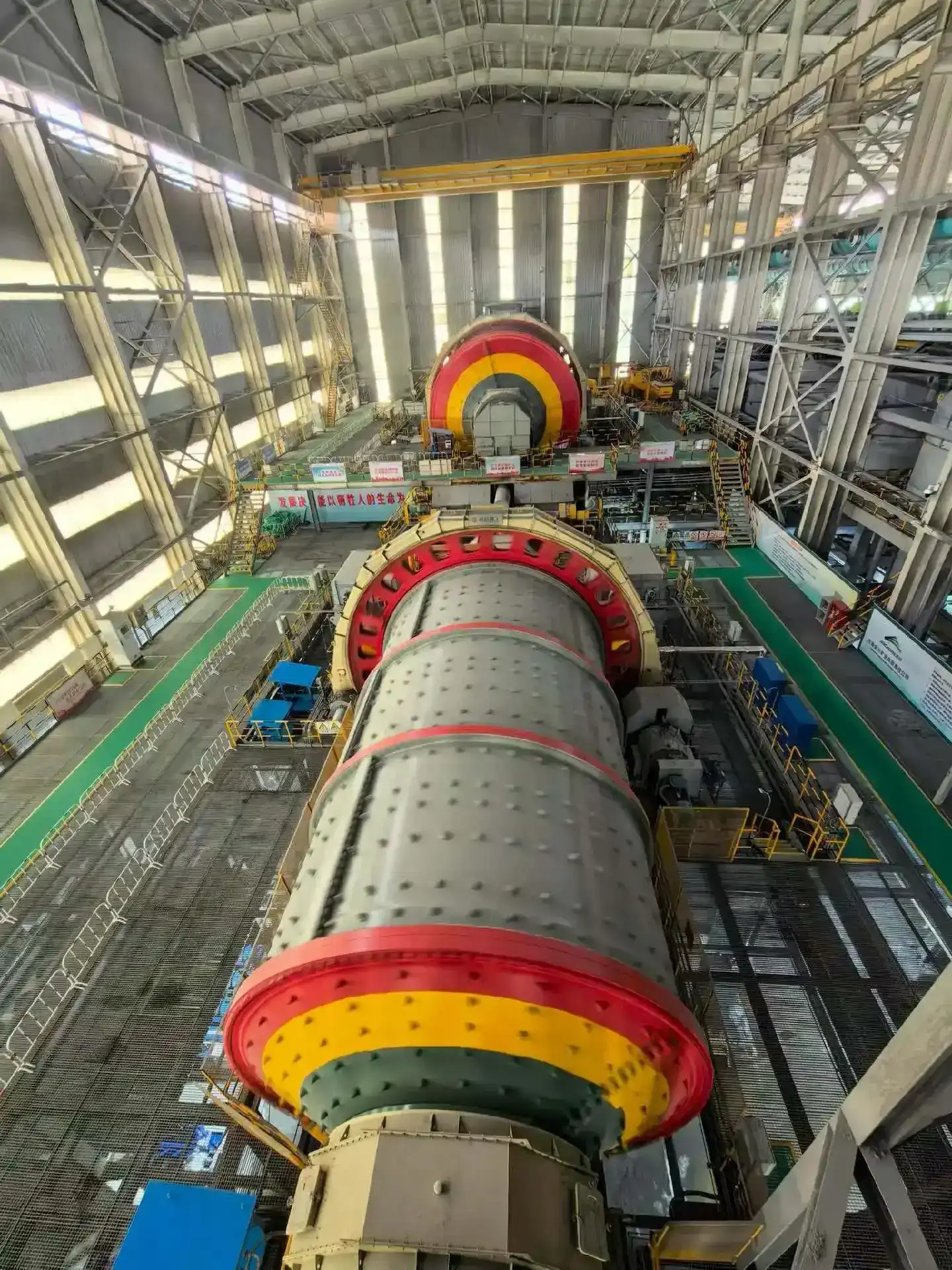
Professionals in the industrial world can learn a lot from this guide about grinding media and how important they are to achieving business excellence. Selection of appropriate grinding balls is one of the most important things that can be done to improve product consistency, speed up milling processes, and lower production downtime in a wide range of industry settings. It is always tough for procurement managers, process engineers, and technical wholesalers who work in power plants, steel factories, mining companies, and chemical plants to keep costs low and performance high. Knowing how the features of grinding media affect the performance of milling allows for smart choices that have a direct effect on the bottom line. The guide talks about important things to think about, like the makeup of the material, the best size, wear resistance, and a cost-effectiveness analysis. People who work in the industry will learn how to choose grinding media that meets the needs of their operations while also improving performance and cutting costs over the long run.
These days, different kinds of materials are used to make grinding media, and each one has its own benefits for different milling tasks. High chromium cast steel balls are very hard (58–65 HRC) and don't break down easily, which makes them perfect for grinding cement and handling minerals. Alternatives with less chromium are cheaper and can be used in places where high hardness is not as important. Forged steel grinding media has a better resistance to pressure and a more regular grain structure, which leads to more even wear patterns and a longer useful life. Forging gets rid of the internal holes and stress concentrations that are common in cast options. This makes the product more reliable and makes repair plans more predictable. If you need to handle something without getting dirty or that needs to be resistant to chemicals, ceramic grinding media can help. With these special balls, there is no chance of iron exposure, and they also have great corrosion resistance in harsh chemical conditions like those found in food and drug processing.
The right size of balls directly affects how well they grind by transferring energy and breaking up particles in the best way. To get the best grinding results, research shows that ball mills should keep the media loading at about 50% of the mill volume. Exceeding this limit by more than 5% has negative impacts on the grinding process and energy use. The link between the diameter of the ball and the size of the mill is based on well-known engineering concepts. For heavy grinding, balls with bigger diameters produce stronger impact forces, while balls with smaller diameters provide more surface area contact for fine grinding. Most industry uses are better with graduated ball size ranges because they make both impact and attrition grinding work better. Critical speed studies show that the mill works best when it is running at about 75% of its theoretical critical speed. This working parameter makes sure that the cascading motion works right and stops the centrifugal forces that lower the grinding efficiency and raise the energy use per ton of material treated.
Energy economy is very important in modern milling activities, since grinding ball processes use about 60 to 70 percent of the plant's total energy needs. When grinding media are chosen correctly, they can cut specific energy use by 8–12% while keeping or even improving product fineness standards. The rate of ball wear is directly related to how much it costs to change balls and how often production stops. High-quality grinding media wears in predictable ways that let you plan for planned repair and make the best use of your supplies. When compared to cheaper options, premium grinding balls can achieve wear rates as low as 80 to 120 grams per ton of material handled, offering much cheaper operational costs.
What makes grinding balls work and how long they last are largely determined by the manufacturing process. Forged balls go through hot working processes that smooth out the grain structure and get rid of any flaws inside. This gives them better mechanical properties and uniform performance in a range of operating situations. There are cost benefits to using cast grinding media, and it works well enough for many industry uses. With today's casting methods, balls are made with controlled chemical makeup and heat treatment patterns that work well in power plants, mines, and cement plants. Comparative testing shows that forged balls usually last 15 to 25 percent longer than cast balls in high-impact grinding situations. Because of this performance benefit, higher starting costs are often justified by the fact that parts need to be replaced less often and maintenance needs are lower.
Steel grinding media is the most common type used in industrial milling because it has a good cost-performance ratio and has been shown to be reliable in a wide range of working situations. High chrome steel balls are the best way to protect rough materials from wear while keeping costs low for large-scale activities. Ceramic balls work great in specific situations where they need to keep things clean or be compatible with chemicals. Ceramic media are useful in the pharmacy, food processing, and advanced materials industries because they get rid of metal contamination and have great wear protection in certain settings. When choosing a material, it's important to balance functional needs with cost concerns. For high-tonnage uses, steel balls offer superior impact resistance and lower costs, while ceramic alternatives provide specialized benefits justifying premium pricing in targeted market segments.
High chrome cast steel balls are useful in cement factories because they can handle the rough grinding of clinker and limestone. Controlled chemistry and high hardness work together to give the best performance in both raw material and end grinding circuits. In mining, grinding balls need to be able to handle different types of ore hardness and rough circumstances. For basic grinding stages, media made of forged steel are more resistant to impact, while media made of high chrome work well for secondary and regrinding stages. For power plants to grind coal, they need grinding media that works the same way with different types of coal and different amounts of wetness. Medium chrome balls have a good mix of wear resistance and impact power, making them good for use in both vertical roller mills and ball mills.
When balls are the wrong size, they don't move energy as well, grinding balls or grinding as well as they should, which leads to big losses in efficiency. Oversized balls cause too much impact force, which wastes energy and leads to uneven particle size distributions. On the other hand, small media don't provide enough breaking force to reduce coarse material. Material mismatch between grinding media and processed materials leads to accelerated wear and inconsistent performance. Knowing how ball hardness affects the abrasiveness of a material lets you choose grinding media that minimizes wear while keeping grinding efficiency high over the service life. When workers try to make up for worn media by adding more material than what is recommended, they often make filling mistakes in ball mills. This habit leads to a chain of problems, such as using more energy, not grinding as well, and faster lining wear, which makes operations even less efficient.
Regular study of the ball charge gives important information for improving mill performance and deciding when to replace parts. Monitoring the spread of ball sizes and wear patterns lets you make changes ahead of time that keep grinding performance stable while reducing the need for emergency shutdowns and production losses. Using the right mill settings has a big effect on how long the grinding media lasts and how well it works. Keeping the mill's speed, pulp density, and feed traits at their best increases ball life and keeps quality and output goals steady. Good grinding tools can make mills more efficient while lowering the rate of ball wear by increasing material flow and lowering the amount of energy needed for grinding. These chemical additions change the properties of the material to make grinding faster and less stressful on the grinding balls.
Using closed-circuit grinding systems with good sorting tools makes the money spent on grinding media work better. The right way to use a cyclone or screen keeps it from overgrinding and makes sure it stays in place long enough to reduce the size effectively. The shape of the mill lining has a big effect on how well the grinding balls work and how they wear. Modern liner shapes improve the path and angle of impact of the balls to get the best grinding results while also encouraging even ball wear and longer replacement periods. Managing the temperature during grinding processes has an effect on both how well the balls work and how well the mill works. Ventilation and cooling systems that work right keep the grinding media from getting damaged by heat and keep the best material handling qualities throughout the grinding circuit.
To find trusted grinding ball suppliers, you need to look at their manufacturing skills, quality control methods, and shipping performance. Getting ISO 9001 certification shows that you are committed to consistent quality management, and getting industry-specific certifications shows that you are an expert in making grinding media. An evaluation of production ability makes sure that providers can meet volume needs during times of high demand. Established companies that make more than 30,000 tons of goods a year usually keep enough stock and production freedom to keep large-scale industrial operations running smoothly without supply problems. Chemical analysis, hardness testing, and wear resistance review are some of the quality testing tools that show how committed a company is to making sure that products are always the same. Modern makers offer thorough quality certificates and help with creating tailored testing plans that confirm performance requirements.
The initial purchase price, the rate of wear, how often the item needs to be replaced, the grinding ball, and the upkeep costs must all be taken into account when figuring out the total cost of ownership. Even though they cost more per unit, premium grinding balls often offer better value because they last longer and work better in mills. Price-per-ton analysis lets you compare suppliers in a useful way, even though ball density and size requirements may be different. By understanding the connection between ball weight and effectiveness, you can avoid making purchases based only on unit price. Long-term supply deals keep prices stable and make sure that goods are always available, even when the market changes. Partnerships with reputable grinding ball makers help with practical planning and spending while lowering the costs of buying things and managing the process.
Strategies for buying in bulk strike a balance between the costs of keeping inventory and the benefits of a lower price and supply security. Most industrial businesses do better when they keep enough inventory to cover 60 to 90 days of needs while getting better terms for bigger orders. Customization lets you get the best grinding surface for your individual needs and working conditions. Leading makers offer technical help for choosing the right ball size, material, and performance level by carefully studying the application. For sites that can't store much or are in remote areas, delivery efficiency and logistics planning become very important. Suppliers who are qualified keep up distribution networks and transportation systems that make sure goods are delivered on time and at the lowest cost possible for handling and shipping.
Through better material science and metallurgical innovation, new alloy combinations offer better resistance to wear and better grinding efficiency. Researchers are still working on microalloyed steels and more advanced heat treatment methods to make grinding balls that work better and last longer. With additive manufacturing technologies, it might be possible to make grinding media with better internal structures and unique surface features. These new ways of making things might make it possible to build grinding balls that improve the speed of grinding while using less energy and wearing out less quickly. Nanotechnology is used to treat the surfaces of grinding balls so that they last longer and grind more efficiently by changing the surfaces in a controlled way. These improved coatings and processes could make a big difference in how well things work in specific situations where they need to be very resistant to wear.
Concerns about the environment lead to the creation of more environmentally friendly grinding ball materials and production methods. Optimizing the amount of recycled steel used and using energy-efficient production methods helps the environment while still meeting the performance standards needed for industry uses. Lifecycle assessment methods let you look at the environmental effect of grinding balls from the time they are made to the time they are recycled at the end of their useful life. These analytical tools help with making choices about purchases that balance the need for performance with goals for business sustainability and being good to the environment. Trash reduction efforts in the creation of grinding balls focus on making the best use of materials and reducing the amount of trash that is generated during production. Advanced makers have full recycling programs that collect and reprocess grinding media materials while also leaving less of an impact on the environment.
Internet of Things monitors and monitoring tools let you see how grinding balls are working and how they're wearing in real time. These digital tools give information based on data that helps improve replacement schedules, guess upkeep needs, and stop sudden breakdowns. Machine learning systems look at data about how well grinding is done to find ways to make it better, and guess what the best grinding media specifications should be. With better decision-making abilities, these AI apps claim to make mills more efficient and cut down on operational costs. Predictive maintenance systems use data on mill performance and grinding ball wear to figure out the best time to change balls and keep track of supplies. These high-tech systems lower the cost of upkeep while making mills more available and consistent in their output.
The selection and optimization of grinding balls represents a critical factor in achieving efficient milling operations across industrial sectors. When you know about the properties of a material, its size needs, and its performance relationships, you can make smart choices that boost productivity while keeping costs low. Modern manufacturing methods and improved materials keep making grinding media more useful by improving their performance and making them last longer. Using the right buying strategies and building relationships with suppliers will make sure you always have access to high-quality grinding balls that meet your unique needs and offer great value while also being cost-effective in the long run.
Replacement intervals depend on material hardness, mill operating conditions, and wear rate monitoring. Most operations replace balls when size reduction reaches 20-25% of the original diameter. High-quality grinding balls typically achieve 6-12 months of service life in standard applications, while harsh conditions may require more frequent replacement based on performance monitoring and wear analysis.
Forged grinding balls have better impact strength and more even wear patterns because the grains are more regular and there are no internal flaws. Cast balls are cheaper than other options, and they work well enough in many situations. Forged choices usually last 15 to 25 percent longer in high-impact situations, which makes up for their higher starting costs by lowering the number of times they need to be replaced.
Pricing factors include raw material costs, manufacturing complexity, quality specifications, and market demand. High chrome content and forged structure bring higher prices because they improve efficiency. Volume purchasing and long-term supply agreements often provide significant cost advantages while ensuring reliable availability during market fluctuations and supply chain disruptions.
Industrial operations seeking to optimize milling efficiency require reliable grinding ball manufacturers with proven expertise and exceptional quality standards. NINGHU combines over thirty years of wear-resistant materials production experience with cutting-edge manufacturing technology to deliver premium casting grinding balls that exceed performance expectations across diverse industrial applications. Our comprehensive product portfolio includes high chrome and low chrome grinding balls specifically engineered for cement manufacturing, metallurgical mining, thermal power generation, and magnetic materials processing. With annual production capacity exceeding 50,000 tons and ISO9001 certification, we ensure consistent quality and reliable delivery for industrial operations worldwide. Contact our expert team at sales@da-yang.com or sunny@da-yang.com to explore customized solutions and competitive pricing for your grinding media requirements.
1. Bond, F.C. "Grinding Ball Mill Design and Ball Size Distribution." Mining Engineering Journal, Vol. 35, No. 4, pp. 872-878.
2. Austin, L.G. and Klimpel, R.R. "Theory of Grinding Operations and Selection of Grinding Media Materials." Powder Technology International, Vol. 28, No. 3, pp. 235-241.
3. Morrell, S. "Predicting the Specific Energy Required for Size Reduction of Grinding Balls in Industrial Mills." International Journal of Mineral Processing, Vol. 74, No. 2, pp. 139-148.
4. Powell, M.S. and Nurick, G.D. "A Study of Charge Motion in Rotary Mills Using High Chrome Steel Ball Media." Minerals Engineering, Vol. 9, No. 8, pp. 817-830.
5. Cleary, P.W. and Morrison, R.D. "Understanding Fine Ore Breakage in Ball Mills Through Discrete Element Modeling and Grinding Ball Analysis." Chemical Engineering Science, Vol. 167, pp. 112-125.
6. Wills, B.A. and Finch, J.A. "Grinding Media Selection and Optimization in Mineral Processing Operations." Mineral Processing Technology Handbook, 8th Edition, pp. 156-184.
March 19, 2024
Deployed in a cement clinker grinding mill, these high-chromium cast grinding balls feature stable hardness and low breakage. They help us maintain consistent grinding output and lower long-term consumable costs.
June 24, 2025
Used in a copper-ore wet-grinding ball mill, the grinding balls show durable wear resistance under non-stop 24-hour operation. Stable grinding performance reduces frequent mill inspections for abnormal ball damage.
August 12, 2025
Used in an iron-ore grinding mill, these high-chromium cast grinding balls maintain uniform hardness from batch to batch. They withstand sustained heavy-load impacts well with minimal breakage, and reliable wear performance keeps our throughput steady over long operating cycles.
October 07, 2025
Adopted for a gold-ore grinding mill, these high-chromium cast balls have evenly distributed hardness. They hold up well under complex abrasive conditions, and their consistent wear profile helps us achieve fine, uniform particle size throughout service.
January 15, 2026
Applied in a limestone grinding production line, the cast steel balls perform reliably under fluctuating load conditions. Well-balanced wear characteristics effectively cut down unplanned downtime.