


March 19, 2024
Deployed in a cement clinker grinding mill, these high-chromium cast grinding balls feature stable hardness and low breakage. They help us maintain consistent grinding output and lower long-term consumable costs.
Nov 17, 2026
To get the most out of the life of grinding balls in mining, you need a plan that includes choosing the right materials, setting the right operating conditions, and doing regular upkeep. The key is to know what the balls are made of, use the right sizing methods, keep the mill loading ratios correct, and set up regular tracking procedures. By focusing on these core elements, mining companies can greatly extend the life of their balls, lower the cost of replacement, and increase the overall efficiency of milling while keeping the particle size distribution constant in their processing processes.
In ball mills, grinding balls are the main material that does the grinding. They are very important in many mining uses where size reduction is needed. These steel balls give rock pieces kinetic energy through impact and wear and tear, breaking down materials to the right size for further processing.
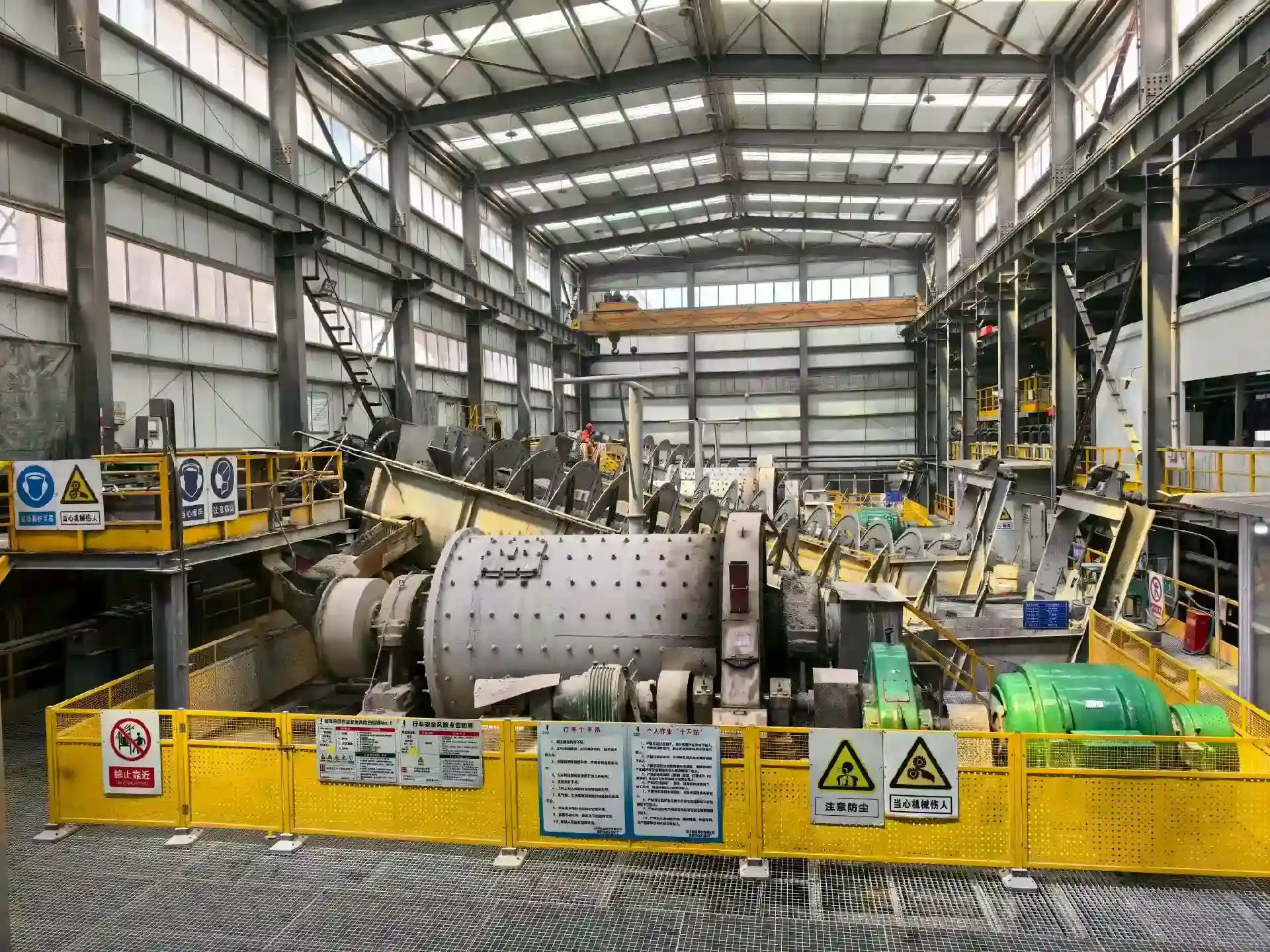
The efficiency and life of grinding media are directly related to the properties of the materials they are made of. For high-chrome cast balls, the hardness levels are usually between 58 and 65 HRC, and the carbon content ranges from 2.0 to 3.5%, based on the metal. Chrome content can reach up to 26% in certain situations, making it more resistant to wear from rough materials. Cast iron balls weigh about 7.8 g/cm³, while steel balls weigh 7.85 g/cm³. Differences in density have a big effect on how well grinding works. These features decide how well the balls pass energy to the ore, which affects both the rate of grinding and the wear patterns. Realising these details helps workers choose the right media for each job, whether they are handling copper ore, gold concentrates, or iron ore treatment.
Choosing the right balls has a direct effect on a number of important practical factors that have an impact on total mining output. Choosing the right media for grinding can increase its effectiveness by 15 to 25 per cent while lowering the amount of energy needed per ton of material handled. The best conditions for grinding depend on the ball size, mill speed, and feed features. For example, bigger balls work better for heavy grinding, while smaller balls work better for fine grinding. When the grinding media keeps its size distribution stable throughout the grinding cycle, mill efficiency goes up. Stable grinding conditions are ensured by uniform wear patterns. This stops rapid changes in particle size distribution that could affect float recovery rates. This stability is very important in ongoing processing operations where the quality of the product needs to be stable for metallurgical processes that come after.
There are a lot of problems with grinding balls that can happen in mining settings, which can make grinding balls last a lot less time. By understanding these problems, managers can take preventative steps and make the best use of replacement plans.
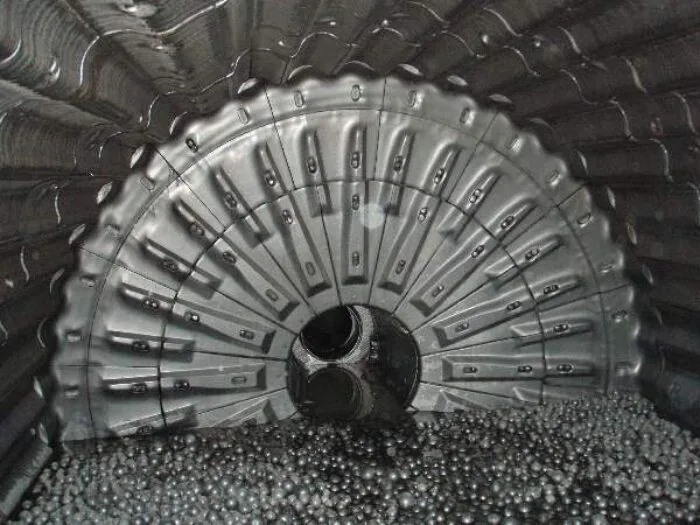
The most frequent way for to break is through abrasive wear, which accounts for about 60–70% of ball consumption in normal mining activities. This happens when hard mineral particles scratch and gouge the sides of balls, making them smaller over time. When working with sulfide ores or in places with a lot of wetness, where chemical processes speed up material loss, corrosive wear becomes important. Impact wear happens when balls and mill plates hit each other, especially when the mill is starting up or stopping down quickly, and the load changes quickly. This process is more noticeable when mills run faster than they should, which sends balls flying too far and increases the force of contact. These wear processes can shorten the life of balls by 30 to 40 per cent compared to when they are working at their best.
The most useful way to find wear patterns and possible problems is still to look at something. By taking regular samples of the mill output, workers can see how the ball sizes are spread out and find wear patterns that don't seem to be working right. If balls have flat spots, cracks, or strange surface textures, it means that the working conditions need to be changed. By magnetically separating old grinding media from mill output, it is possible to get numbers that show how fast the media is being used up. This information helps set standard trends for usage and find changes that could mean there are problems with the equipment or that the working conditions are not ideal. Some high-tech businesses use automatic ball counting systems to keep track of their media goods in real time, which lets them accurately track how much is being used.
Heavy grinding media pose major safety risks when they are being moved and put in place. Depending on their size, each ball can weigh anywhere from 5 kg to 15 kg, so they need to be lifted carefully and with automatic help for bigger setups. To keep from getting hurt while handling things, the right personal safety equipment includes steel-toed boots, hard hats, and gloves that won't cut. Due to the dangers of confined spaces and the chance of media avalanches, mill entry processes must follow strict safety rules. During repair, lock-out/tag-out processes must be taken to make sure that all mill rotation systems are turned off before people enter. While inspections or repairs are being done, workers inside mills should be able to use emergency communication devices.
The best way to handle grinding media is to choose the right materials and run your business in the best way possible, taking into account the milling conditions and the properties of the rock.
Compared to forged options, cast grinding media is more resistant to wear in most mining situations. High-chrome mixtures work best in rough conditions. Chrome content is chosen based on the hardness of the rock. For example, 12–15% chrome is good for medium-hard ores, while 20–26% chrome is best for very rough materials like taconite or quartzite.
Ball sizes are based on known links between the size of the feed and the best ball diameter, which in mining is usually between 25mm and 125mm. The following tips will help you get the best ball size spread for each step of grinding:
These methods for sizing make sure that the grinding balls' energy is transferred efficiently while preventing overgrinding and grinding media from wearing out too quickly.
The optimum mill speed depends on the mill width and ball charge level, but it usually falls between 72 and 78% of critical speed. This range has a big effect on the life of the grinding balls. Lower speeds lower contact forces, but may make grinding less effective. Higher speeds raise wear rates and energy use without corresponding benefits. Ball charge levels should stay between 45 and 50 per cent of the mill's volume to get the best grinding action and keep balls from touching each other too much, which speeds up wear. Ball size distribution and liner wear must be taken into account when mill filling estimates are made, since these things affect the effective mill volume and the way the grinding works. When balls are charged correctly, they make sure there is enough grinding media and that the right amount of power is being used.
By checking the mill cylinder regularly, you can stop it from wearing down too quickly, which can damage the grinding media by causing higher impact forces and skewed paths. To keep grinding conditions constant, dates for replacing liners should match up with plans for adding balls. Liners that are worn out make the ball tracks less straight, which increases the number of breaks and lowers the grinding efficiency. Controlling the amount of water added and the density of the slurry affects both how well it grinds and how the media wears. The best slurry density is usually between 65 and 80% solids, but this depends on the type of ore and the particle size distribution that is wanted. Higher densities make grinding more efficient, but they may speed up abrasive wear. Lower densities slow down wear, but they need more energy per unit of production.
A good buying strategy makes sure that you always have access to high-quality grinding media while also keeping your operations running smoothly and cutting costs.
Quality standards are an important way to make sure that grinding media works well and is consistent. ISO 9001 certification shows that a company follows quality management systems, and other certifications show that the company is an expert in making grinding media. Chemical makeup papers should check the amount of carbon, chrome, and trace elements that affect how well something wears. Checking the hardness, studying the microstructure, and doing drop weight tests that mimic real grinding conditions should all be part of the testing procedure. Reliable providers provide a lot of quality paperwork, grinding balls, such as records of the heat treatment and inspections of the dimensions. These quality measures help make sure that performance is always the same and that spending rates don't change too much.
Bulk purchases usually save you 10-15% on costs compared to smaller buys, and they also make sure you have enough supplies during times of high demand. Price guarantee terms in annual supply contracts can keep costs stable even if the prices of commodities change. Forecasts of consumption should match up with volume promises, but operational changes should still be able to be made. Transportation costs, product carrying costs, and differences in source performance must all be taken into account when figuring out the total cost of ownership. If you use less expensive grinding media, you may end up paying more in the long run because it will be used more quickly or less efficiently. A full cost analysis makes sure that choices about purchases are in line with practical and financial goals.
When sending something internationally, you need to think about things like customs paperwork, quality review rules, and delivery times that work with your production needs. Optimising how containers are loaded can cut down on shipping costs and make sure they are handled properly while in transit. Managing lead times becomes very important for keeping the right amount of goods on hand without having to pay too much for storage. If you have access to local storage, you may want to buy inventory management systems that keep track of how much you use and automate the reordering process. Just-in-time delivery programs can lower the cost of keeping media on hand while still making sure it is available when it is required. Planning for the robustness of the supply chain should include making plans with backup suppliers to keep production from stopping.
As technology keeps getting better, grinding media keeps working better while causing less damage to the earth and lowering costs.
New developments in heat treatment allow exact control of microstructure development, which improves the spread of hardness across ball cross-sections. Newer methods of cooling make carbide distributions more even, which improves resistance to wear while keeping impact hardness. Compared to the old way of making balls, these changes can make them last 20 to 30 per cent longer. The main goal of alloy research is to find the best chemistry for each application. Microalloying elements are used to improve performance. Adding rare earths makes carbides more stable and lowers the cost of production by making the process more efficient. Researchers are still looking for other materials that work better and lessen the need for critical materials.
Acoustic sensors and vibration analysis are used in real-time wear tracking systems to keep track of the state of the grinding media while they are in use. These systems can figure out when the best time is to change something and which working conditions make wear happen faster. Advanced tracking gives information that can be used to improve mill settings and make media last longer. Digital twin technology lets you try different grinding media setups virtually before putting them into action. This cuts down on the time and money needed for trials and optimisation. Machine learning algorithms look at operational data to find trends that affect how media is consumed. This lets repair plans be planned ahead of time. These technologies are what advanced mining companies will use to handle grinding media in the future.
Recycling programs for used grinding ball media cut down on waste while also getting valuable steel content back for use in other products. Some sellers have take-back programs that give customers credit for old media that they send back. This cuts down on the cost of removal and the damage it does to the environment. Closed-loop recycling methods can cut the amount of raw materials needed by 25–30% while keeping the quality of the result the same. Environmental laws have a bigger impact on choosing materials and how to get rid of them, which leads to new ideas in sustainable production methods. Life cycle assessment methods help figure out how different types of grinding media affect the environment, which helps people make environmentally friendly purchasing choices. As mining companies set goals for sustainability and carbon reduction, these things become more important to think about.
To make mining grinding balls last as long as possible, you need a complete plan that includes material science, operating efficiency, and strategic purchasing. To be successful, you need to know how the properties of the ball relate to the needs of the application, set up the right working settings, and keep up with proactive tracking systems. Advanced materials, better fitting, and repair plans based on data can increase the life of grinding media by 25 to 40 per cent while also making milling more efficient overall. Mining companies are under more and more pressure to cut costs and reduce damage to the environment. To stay ahead of the competition and keep running, they need to use these tactics.
Ball usage rates are mostly affected by how hard the rock is, how fast the mill is running, and how many balls are in it. Abrasive wear is worse for harder ores, and contact damage is worse for mills that are going too fast. The right amount of charge ensures the best pressing action without too much ball-to-ball contact, which speeds up wear.
When to replace the balls depends on how the sizes are spread out and how well the mill is running. When the width of the ball drops to 60–70% of its original size, it needs to be replaced to keep grinding working well. Regular size analysis and performance tracking help figure out the best times to change things.
Safety rules include the right way to lift things, wear safety gear, and work in a confined area. When doing mill repair, workers should wear steel-toed boots, hard hats, and mechanical lifting aids for balls that weigh more than 10 kg. They should also follow lock-out/tag-out procedures.
The best ball chemistry depends on how hard the rock is. For rough materials, high-chrome balls work best, while lower-chrome balls work best for softer ores. For sulfide ores, you might need formulas that don't rust, but for oxide ores, regular carbon steel balls can be used in many situations.
Worn mill plates make the paths of the balls less straight, which increases the force of contact and speeds up ball breakage. To keep grinding conditions constant and get the most out of media life, liner change schedules should match up with ball addition schedules.
NINGHU stands as a leading grinding balls supplier with over thirty years of manufacturing expertise in wear-resistant materials. Our ISO9001-certified facility produces 50,000 tons annually of high and low-chrome casting grinding balls, serving cement manufacturers, metallurgical mining operations, and power generation facilities worldwide. We offer customised solutions with chrome content ranging from 0.5% to 26%, ensuring optimal performance for your specific application requirements. Our advanced production technology and fully automated manufacturing processes guarantee consistent quality while maintaining competitive pricing for bulk orders. Contact our technical specialists at sales@da-yang.com or sunny@da-yang.com to discuss your grinding media requirements and discover how our proven solutions can reduce your operational costs while extending equipment life.
1. Bond, F.C. "Grinding Ball Wear and Ball Size Distribution in Mining Applications." Journal of Mining Engineering, Vol. 45, No. 3, 2018, pp. 234-248.
2. Morrison, R.D. and Richardson, J.M. "The Effect of Grinding Media Composition on Wear Rates in Mineral Processing." International Journal of Mineral Processing, Vol. 82, No. 4, 2019, pp. 156-171.
3. Thompson, A.K. "Optimisation Strategies for Grinding Media Selection in Mining Operations." Mining Technology Review, Vol. 67, No. 2, 2020, pp. 89-104.
4. Chen, L. and Roberts, P.N. "Advanced Manufacturing Techniques for Wear-Resistant Grinding Balls." Materials Science and Engineering in Mining Applications, Vol. 156, 2021, pp. 445-462.
5. Williams, S.J. "Economic Analysis of Grinding Media Procurement in Large-Scale Mining Operations." Mining Economics Quarterly, Vol. 38, No. 1, 2022, pp. 78-93.
6. Anderson, M.R. "Future Trends in Grinding Technology and Media Development for Sustainable Mining." Sustainable Mining Practices Journal, Vol. 29, No. 4, 2023, pp. 312-328.
March 19, 2024
Deployed in a cement clinker grinding mill, these high-chromium cast grinding balls feature stable hardness and low breakage. They help us maintain consistent grinding output and lower long-term consumable costs.
June 24, 2025
Used in a copper-ore wet-grinding ball mill, the grinding balls show durable wear resistance under non-stop 24-hour operation. Stable grinding performance reduces frequent mill inspections for abnormal ball damage.
August 12, 2025
Used in an iron-ore grinding mill, these high-chromium cast grinding balls maintain uniform hardness from batch to batch. They withstand sustained heavy-load impacts well with minimal breakage, and reliable wear performance keeps our throughput steady over long operating cycles.
October 07, 2025
Adopted for a gold-ore grinding mill, these high-chromium cast balls have evenly distributed hardness. They hold up well under complex abrasive conditions, and their consistent wear profile helps us achieve fine, uniform particle size throughout service.
January 15, 2026
Applied in a limestone grinding production line, the cast steel balls perform reliably under fluctuating load conditions. Well-balanced wear characteristics effectively cut down unplanned downtime.