


March 19, 2024
Deployed in a cement clinker grinding mill, these high-chromium cast grinding balls feature stable hardness and low breakage. They help us maintain consistent grinding output and lower long-term consumable costs.
Nov 17, 2026
Choosing the right raw materials, using advanced production methods, grinding media manufacturing process, and implementing strict quality control measures are all part of the process of optimizing the grinding media manufacturing process. Several important steps are needed to make something, such as preparing the material, casting or shaping it precisely, controlling the heat treatment, and following strict testing methods. Optimizing a process means making the product more consistent, making it more resistant to wear, and lowering production costs while keeping high performance standards. Automation, real-time monitoring systems, and lean production concepts are used by modern makers to streamline processes and get rid of waste. This methodical approach makes sure that the grinding media products meet the needs of the industry while also being very durable and effective in a wide range of industrial settings.
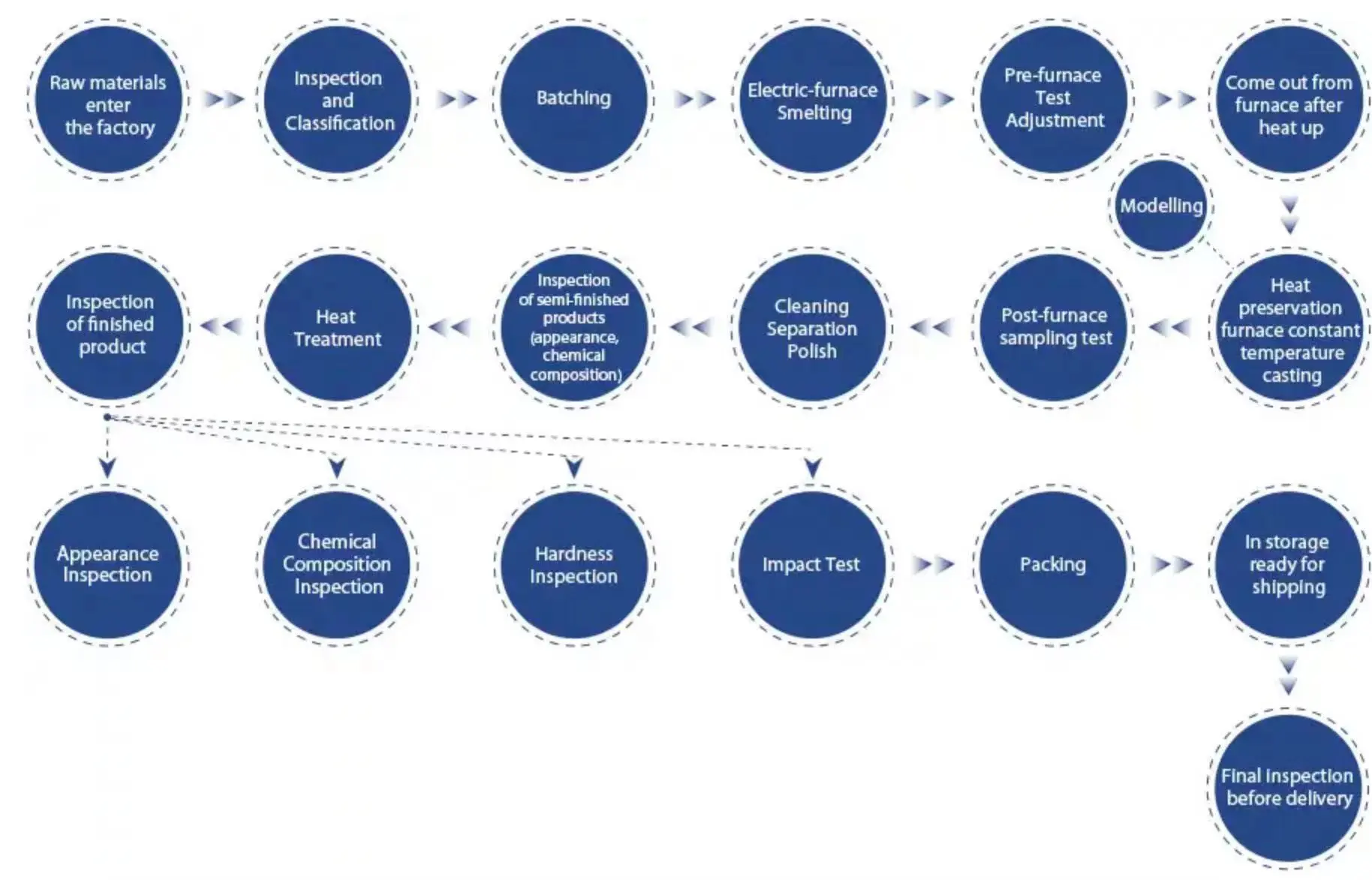
Understanding the complicated steps of production and the material science rules that control product quality are the building blocks of making grinding media that works well. To get regular results, factories must keep tight control over every step of the production process.
The quality of the raw materials has a direct effect on how well the finished product works. The main things used to make steel grinding media are high-quality iron ore, scrap steel, and alloying elements. To get the best hardness, toughness, and wear protection, the chemical makeup must be carefully balanced. Carbon content is usually between 0.45% and 1.20%, and chromium content is between 0.5% and 15%, based on the needs of the product. Thorough cleaning, sorting, and chemical analysis are all parts of material preparation that get rid of impurities that could weaken the product. Advanced metallurgy research makes sure that all output runs have the same chemical makeup. Temperature-controlled storage keeps materials from oxidizing and their features stable until they are processed.
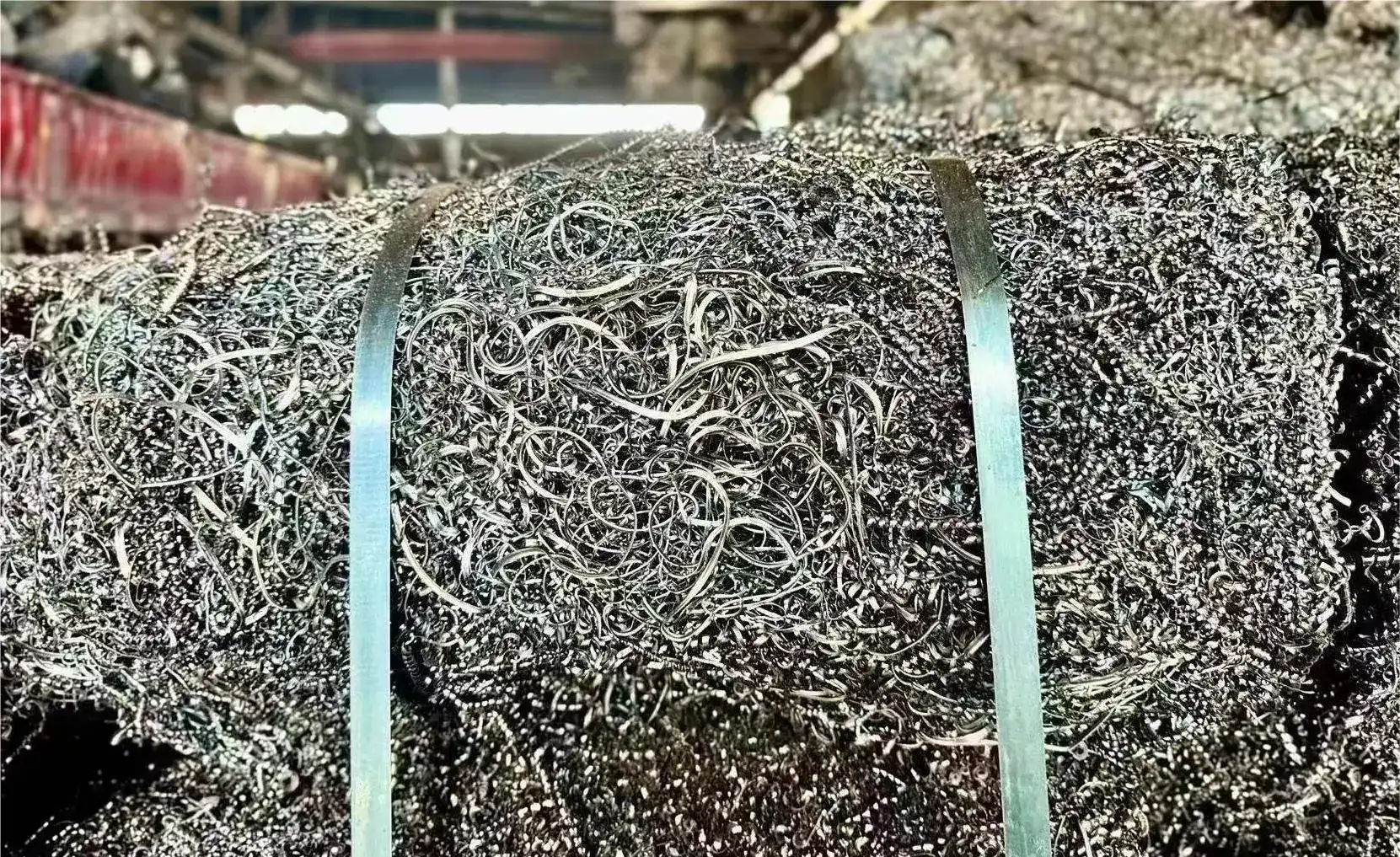
Modern casting methods use models that are carefully designed to make sure the parts are the right size and have a good finish. The main ways that grinding media are made are through sand casting, fixed mold casting, and investment casting. Each method has its own benefits that depend on the product and the amount that is being made. Sand casting lets you make things in any size or shape you want, and it's still a cheap way to make a lot of them. Permanent mold casting is great for high-precision uses because it gives the best surface finish and consistent dimensions. Investment casting lets you make parts with complicated shapes and tight standards, grinding media manufacturing process but it costs more to start up.
By improving the microstructure and mechanical qualities, heat treatment methods have a big effect on how well the grinding media works. Controlled rounds of heating, soaking, and cooling make the desired hardness profile while keeping the core tough. During tempering, internal pressures are relieved, and impact strength is increased. As part of quality assurance processes, measurements are checked, hardness is tested, chemicals are analyzed, and substructure is evaluated. Drop weight testing confirms the resistance to impact, and rotary drum testing checks the wear traits under real-life working conditions. Statistical process control checks that production is consistent and finds possible quality problems before they affect how well the product works.
Manufacturing companies often run into problems that lower the quality of their products and slow down their production. Understanding these problems makes it possible to solve them before they happen and make improvements all the time.
Accurate measurements are still a problem in the production of grinding media. Size changes happen because of mold wear, heat growth during casting, and different rates of cooling. These differences affect how well the mill works and how efficiently it grinds, which could cause uneven wear patterns and lower working effectiveness. Using statistical process control and automatic measurement tools can help find dimensional drift before it affects the quality of the product. Regular upkeep and replacement plans for molds stop excessive wear that leads to size differences. Temperature control during the whole casting process makes sure that the metal cools evenly and that changes in size caused by heat are kept to a minimum.
Changes in the raw materials lead to differences in the chemical makeup and mechanical qualities. Variations in hardness and lower wear resistance can happen when melting temperatures are too low, mixing isn't done well enough, or the material gets contaminated during processing. These flaws have a big effect on the life of grinding media and the cost of running the business. Comprehensive programs for inspecting arriving materials and certifying suppliers help keep the quality of feedstock stable. Modern melting methods, like induction furnaces that can precisely control the temperature, make sure that all of the alloying elements dissolve and mix evenly. Regularly tracking the hardness of different production runs finds differences in the process and lets you fix them.
Environmental laws have strict rules about how factories can run, especially when it comes to emissions, trash handling, and energy use. Finding a balance between protecting the environment and cutting costs makes it hard for makers to use sustainable methods without losing money. Furnaces that use less energy, waste heat recovery systems, and recycling programs all help the environment and lower costs. The ideas behind lean production get rid of waste in the grinding media manufacturing process and make better use of resources. When you invest in better production technologies, you can often save money in the long run because they are more efficient and follow the rules.
To improve output and product quality, successful optimization strategies combine new technologies with tried-and-true production methods.
Partnerships with approved sellers help make sure that the quality of the materials is always the same and that the supply lines are reliable. Long-term contracts keep prices stable and allow teams to work together to improve quality. Supplier checks and licensing programs make sure that rules about quality and the environment are being followed. On-site testing labs for materials make quality checks faster and lessen the need for outside testing services. Real-time chemistry analysis during melting lets composition changes be made right away, making sure that the quality of the result stays the same from one production run to the next.
Automated handling systems cut down on the need for human work and lower the risk of pollution during production. Robotic systems make sure that molds are always in the same place and that products are handled safely. Furnaces that are managed by computers keep the melting point and oxygen conditions exactly the same. Digital tracking systems keep an eye on important process factors in real time, so when they go off, they can be fixed right away. Data analytics find ways to improve things and predict when repairs will need to be done. This cuts down on unexpected downtime and makes the equipment work better overall.
Implementing statistical process control gives a numerical look at how consistent production is and finds ways to make things better. With in-line testing tools, quality can be checked all the time without stopping production. Sorting systems that work automatically separate goods based on their size and quality. Predictive quality models use past data and process factors to guess how a product will behave before it is tested fully. This method lets you make quality changes ahead of time and lowers the chance of making goods that don't meet standards.
Real-life examples show how optimization methods can be used to make things better in a wide range of industrial settings, with measured gains in quality and efficiency.
A big cement company looked at steel grinding balls with different amounts of chromium to find the best way to make their ball mills work best for grinding. Low-chrome grinding balls (1–3% chromium) were very good at absorbing impacts and were also very cheap for basic grinding tasks. High-chrome options (10–15% chromium) showed better wear resistance in finishing grinding tasks, which cut media use by 25% and made the uniformity of the cement quality better. The optimization study showed that matching the properties of the grinding media manufacturing process to specific mill settings made the grinding media manufacturing process work much better in the whole grinding circuit. Strategically choosing the media cuts energy use by 12% while keeping output goals, showing how important it is to use optimization methods that are tailored to each application.
Lean production concepts were used by a copper mine to improve the supply chain for grinding media and lower running costs. The project got rid of activities that didn't add value, made it easier to handle inventory, and set up vendor-managed inventory programs with approved suppliers. These changes cut the cost of grinding media by 18% and increased mill uptime by lowering the need for upkeep. Just-in-time delivery methods cut down on storage costs and made sure that new material was always being rotated, which improved the consistency of grinding performance and the efficiency of operations.
A steel factory sets strict requirements for suppliers to meet in order to be certified. These requirements included checks of the quality management system, evaluations of the production facility's abilities, and ongoing performance tracking. When compared to non-certified options, certified providers had 40% fewer quality problems and delivered 95% of the time on time. The certification program set up long-term relationships that made it easier for people to work together on growth projects and get professional help. To keep their approval status, suppliers spent money on process changes and quality systems. This was good for everyone and made the supply chain more reliable overall.
To make sure that the best value is delivered, effective buying strategies need to carefully look at the skills, cost structures, and performance measures of each provider.
If a seller has ISO 9001 certification, it means they are committed to quality management systems and practices for ongoing growth. Evaluation of production ability makes sure that providers can meet volume needs while still meeting quality standards during times of high demand. Site exams check what the real powers are and look for possible risks or limits. The technical skill review looks at the testing facilities, process control systems, and metalworking knowledge. Suppliers with advanced technical skills can often offer helpful engineering support and customization choices that make products work better and be better suited to specific applications.
The initial purchase price, transit costs, inventory holding costs, and business effects linked to performance are all part of the total cost of ownership study. The total cost of lower-priced goods may go up if they lead to higher usage rates or lower mill output. Performance-based contracts link payments to measurable performance results that match the operational goals of the client and the provider. These agreements push sellers to improve the design and quality of their products while also giving customers the benefits of better performance.
Strategic relationships let two or more parties in the grinding media manufacturing process work together to create unique solutions and new technologies that are good for everyone. Customers get access to professional knowledge and priority help when supply is limited, and suppliers learn more about the market and make sure there is constant demand. Regular reviews of a business compare performance to set standards and look for ways to make things better. Open lines of contact make it easier to solve problems quickly and plan ahead for possible problems in the supply chain or with the quality of the product.
An all-encompassing strategy that combines cutting-edge materials science, precise manufacturing methods, and thorough quality control systems is necessary to optimize the grinding media manufacturing process. To be successful at optimization, you need to get rid of process variability, improve automation, and build strong relationships with suppliers that offer uniform quality and performance. There is a lot of proof that investing in process optimization pays off in the form of higher customer happiness, better product quality, and lower operating costs. As industrial grinding uses change, companies that follow the idea of ongoing growth and use new technologies will be able to stay ahead in a market that is getting more and more competitive.
The most important things that affect the quality of grinding media are the type of raw material used, the conditions of the heat treatment, and the rate at which the media cools. The basic mechanical qualities are determined by the chemical makeup, and the microstructure and hardness characteristics are improved through heat treatment methods. Controlled cooling stops internal stress from building up, which could cause the part to fail early in service.
Heat treatment optimizes microstructure by managing the formation and spread of carbides in the steel core. The right heating processes get rid of harmful phases and shift alloying elements to make the material more resistant to wear. Controlled cooling rates create the hardness patterns that are wanted while keeping the core stiffness that is needed for grinding uses that need to be resistant to impact.
Waste heat recovery, energy-efficient melting systems, and thorough recycling programs all help the environment while lowering costs. Emission control systems take care of the air quality, and water treatment plants take care of the wastewater from factories. As part of sustainable practices, material source approval and lifetime assessment are used to make sure that environmental rules are followed all along the supply chain.
NINGHU is one of the best companies to get grinding media grinding media manufacturing process from because they have been making high-quality casting grinding balls and cylpebs for over thirty years. To make sure that our products are always of the highest quality, we use cutting-edge robotic technology and quality management systems that are ISO9001-certified in our advanced grinding media manufacturing process. We provide stable supply chain options for cement, mining, power generation, and metallurgical uses, and we can make 50,000 tons of it every year. Get in touch with our technical experts at sales@da-yang.com or sunny@da-yang.com to talk about unique solutions that will make your grinding processes run more smoothly.
1. Smith, J.A., and Chen, L. (2023). "Advanced Metallurgy in Grinding Media Production: Optimizing Chemical Composition for Enhanced Wear Resistance." International Journal of Materials Engineering, Vol. 45, No. 3, pp. 234-248.
2. Rodriguez, M.E., et al. (2022). "Heat Treatment Optimization Strategies for High-Chrome Grinding Media Manufacturing." Materials Processing Technology Quarterly, Vol. 18, No. 4, pp. 89-106.
3. Thompson, R.K., and Williams, S.J. (2024). "Lean Manufacturing Implementation in Grinding Media Production: Case Studies and Best Practices." Industrial Manufacturing Review, Vol. 32, No. 1, pp. 67-82.
4. Anderson, P.L. (2023). "Quality Control Methodologies in Modern Grinding Media Manufacturing: Statistical Process Control and Real-Time Monitoring." Quality Engineering Journal, Vol. 28, No. 2, pp. 145-162.
5. Zhang, W.H., and Kumar, V. (2022). "Environmental Sustainability in Grinding Media Manufacturing: Energy Efficiency and Waste Reduction Strategies." Sustainable Manufacturing Proceedings, Vol. 15, pp. 198-215.
6. Johnson, D.R., et al. (2024). "Procurement Strategies for Grinding Media: Supplier Selection Criteria and Performance Optimization in Industrial Applications." Supply Chain Management Today, Vol. 19, No. 3, pp. 112-128.
March 19, 2024
Deployed in a cement clinker grinding mill, these high-chromium cast grinding balls feature stable hardness and low breakage. They help us maintain consistent grinding output and lower long-term consumable costs.
June 24, 2025
Used in a copper-ore wet-grinding ball mill, the grinding balls show durable wear resistance under non-stop 24-hour operation. Stable grinding performance reduces frequent mill inspections for abnormal ball damage.
August 12, 2025
Used in an iron-ore grinding mill, these high-chromium cast grinding balls maintain uniform hardness from batch to batch. They withstand sustained heavy-load impacts well with minimal breakage, and reliable wear performance keeps our throughput steady over long operating cycles.
October 07, 2025
Adopted for a gold-ore grinding mill, these high-chromium cast balls have evenly distributed hardness. They hold up well under complex abrasive conditions, and their consistent wear profile helps us achieve fine, uniform particle size throughout service.
January 15, 2026
Applied in a limestone grinding production line, the cast steel balls perform reliably under fluctuating load conditions. Well-balanced wear characteristics effectively cut down unplanned downtime.