March 19, 2024
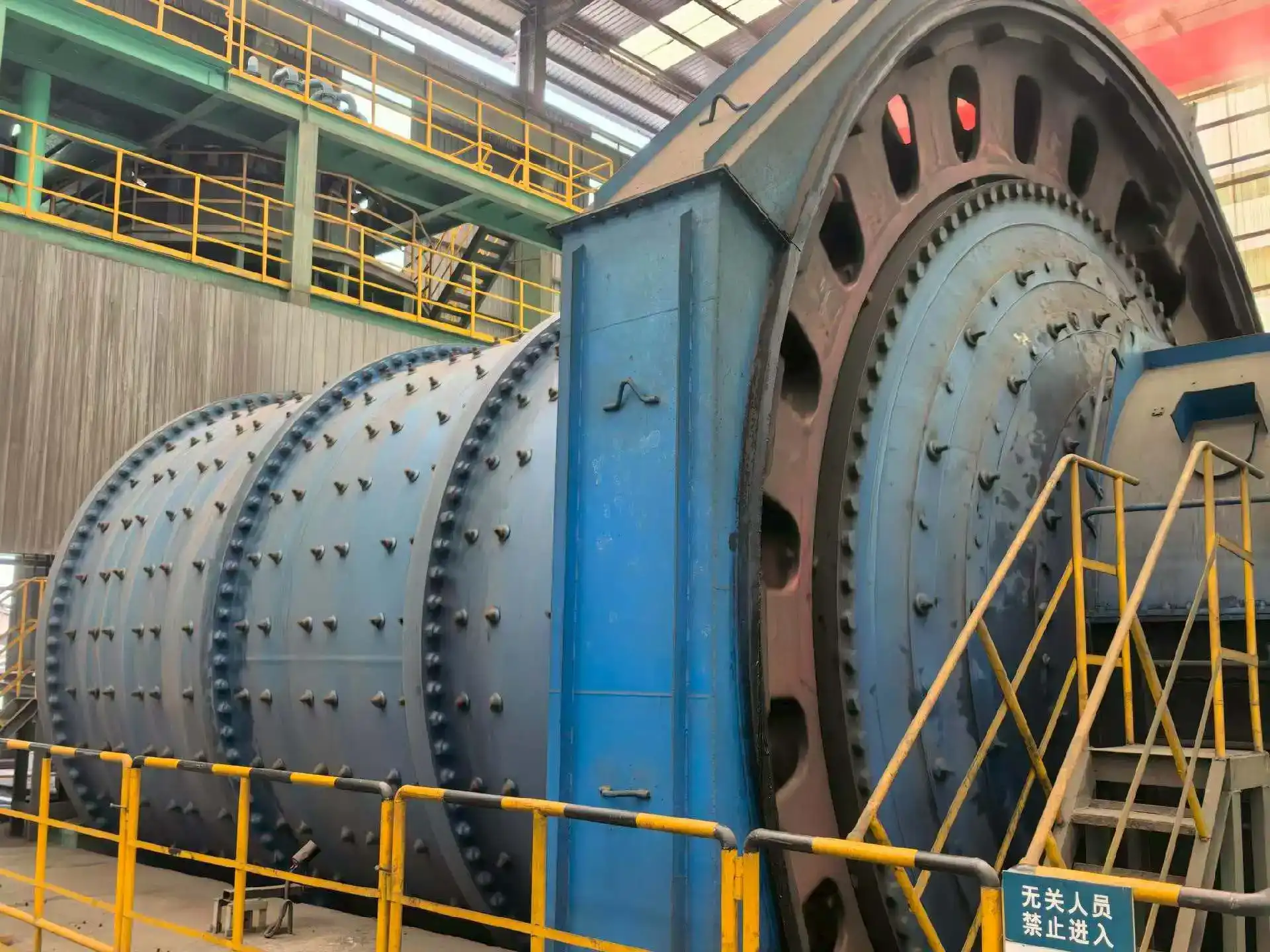
Deployed in a cement clinker grinding mill, these high-chromium cast grinding balls feature stable hardness and low breakage. They help us maintain consistent grinding output and lower long-term consumable costs.
Nov 18, 2026
High-impact grinding processes across industries like mining, cement manufacturing, high chrome balls, and steel production face persistent challenges with media performance and operational costs. High chrome balls have revolutionized these applications by delivering exceptional durability, superior wear resistance, and enhanced grinding efficiency. These specialized grinding media, containing 12-28% chromium content, outperform traditional alternatives through advanced metallurgy and engineered microstructures. The widespread adoption of high chrome balls stems from their ability to withstand extreme grinding conditions while maintaining consistent particle size reduction and extended operational life, making them indispensable for modern industrial grinding operations.
High chrome balls are the next generation of grinding media. They are made from carefully alloyed chromium steel that goes through precise heat treatment methods. The amount of chromium in steel is usually between 12% and 28%. This makes a martensitic structure that, when properly tempered, gives steel a very high hardness level (58 to 65 HRC). This metal mixture makes grinding media that is very resistant to both impact and sharp wear, which are important qualities for tough industrial uses.
To make high-chrome grinding balls, controlled casting methods are used in electric arc furnaces. Chromium, carbon, and other alloying elements are carefully balanced to get the best mechanical qualities. The casting process makes a thick microstructure with chromium carbides spread out evenly in the matrix. This gives the whole ball surface the same level of hardness and wear resistance. Heat treatment methods like cooling and tempering smooth out the grain even more, making sure that the metal is as tough as possible while still having a hard surface.
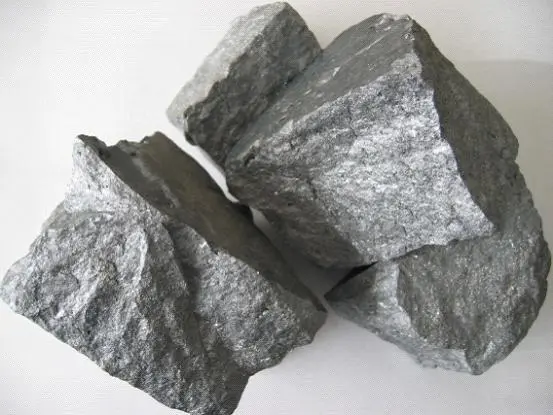
High chrome balls exhibit better cost-performance rates in high-impact uses when compared to forged steel balls, ceramic media, or low chrome alternatives. Under harsh grinding conditions, steel balls tend to wear out faster and break more often, while ceramic media, even though it has great wear resistance, is often too pricey and breaks easily for large-scale operations. High chrome balls fill in this performance gap by being as tough as steel and as resistant to wear as ceramics, all at a price that is competitive.
The special metal structure of high chrome balls, high chrome grinding media, gives it great mechanical qualities, such as impact toughness above 12 J/cm², compressive strength above 2000 MPa, and even hardness distribution. These features directly lead to longer grinding media life, less mill downtime for media change, and consistent grinding performance throughout the whole operating cycle. The managed microstructure also lowers the chance of contamination, which is very important in fields that need very pure products.
When grinding with high pressure, there are special problems that need to be solved that are hard for regular grinding media to address. Many industrial grinding processes have problems with media breaking, faster wear rates, and contamination, which raise upkeep costs and stop production. These problems are specifically dealt with by high chrome balls, which are designed to improve operating dependability and grinding efficiency.
When compared to flimsy options, high chrome grinding balls have much lower catastrophic failure rates because they are much tougher. Industry statistics show that high chrome balls that are properly made have breaking rates below 0.5% when they are used normally, compared to 2-5% for lower-grade media. This huge drop in media failure directly leads to lower replacement costs, less pollution in the mill, and fewer unexpected maintenance shutdowns.
When used in real life, moving to high chrome grinding media has been shown to improve grinding productivity in cement plants and mines. Case studies from big cement companies show that mill output can go up by 15 to 25 percent while goal fineness requirements stay the same. The consistent spherical shape and regular density of high chrome grinding balls allow for the best charge motion and energy transfer, which makes grinding more efficient per unit of energy used.
Due to their high resistance to rust, high chrome grinding balls are perfect for uses where product quality is very important. The surface is high in chromium, which naturally creates a protective oxide layer that stops process materials from attacking it chemically and stops iron pollution that can lower the quality of the result. This trait is very helpful in magnetic material preparation and pharmaceutical grinding tasks, where keeping things clean is very important.
To buy high chrome balls successfully, you need to know about important specs and supplier skills that have a direct effect on how well the balls grind and how much they cost to run. To make sure the best performance from the grinding media, the decision process includes looking at technical specs, the qualifications of the provider, high chrome balls, and the total cost of ownership.
To properly specify high chrome grinding balls, you must first understand the unique needs of your grinding application. Key factors include choosing the right ball diameter based on the size of the mill and the size of the feed particles, making sure the hardness standards match the properties of the material, and making sure the amount of chromium used meets the needs for wear resistance. The width of a ball is usually between 20 mm and 150 mm, and its hardness is between 58 HRC and 65 HRC, based on how hard the job is. To make sure uniform performance, the chemical composition standards should make it clear how much chromium is present, how much carbon is present, and how much impurity is okay. High-quality grinding balls with chromium levels between 12 and 28% and carbon levels that are just right for the hardness needs. Adding silicon and manganese helps control the nanostructures and improve the mechanical qualities. On the other hand, phosphorus and sulfur should be kept to a minimum to keep the material from breaking.
When procurement teams are looking for manufacturers of high chrome grinding balls, they should give more weight to providers with well-established quality management systems and a history of success in industrial grinding uses. ISO 9001 certification shows that you are committed to quality management principles, and industry-specific certifications show that you are an expert in making grinding media. The sites of suppliers should have up-to-date casting tools, the ability to use controlled heat treatment, and full quality testing labs. Incoming inspection processes, batch testing needs, and performance validation standards should all be part of quality assurance practices. For every production lot, dependable providers give full material certifications, dimensional inspection records, and mechanical property paperwork. It's very helpful for suppliers to be able to offer personalized solutions and expert support for the whole lifecycle of a product.
To make good purchasing plans for high chrome balls, you need to find a balance between stocking prices, supply security, and quality needs. Minimum order numbers vary from 10 to 50 tons, depending on the size of the balls and the supplier's powers. This means that demand forecasting and stocking planning must be done with great care. Standard products usually have lead times of 3 to 6 weeks, while special products may need 8 to 12 weeks to be made and delivered. Because grinding media is so dense, transportation costs make up a big part of the total cost of purchase. Optimizing package sizes, choosing the right means of transportation, and matching delivery plans with production needs can help keep shipping costs low while still making sure there are enough items in stock. Having ties with several qualified providers gives you security over your supply while keeping prices competitive.
Maximizing the performance benefits of high chrome balls requires attention to proper handling, installation procedures, and ongoing performance monitoring. These practices ensure that grinding media achieves its full operational potential while minimizing the total cost of ownership through extended service life and consistent grinding performance.
Successful implementation of high chrome grinding balls begins with proper mill charging procedures that optimize ball size distribution and charge density. The ball charge should typically comprise 35-45% of mill volume, with size distribution carefully selected to match feed particle size and target product fineness. The right spread of ball sizes makes a grinding cascade that transfers energy well while reducing wear. Installation procedures should include thorough mill cleaning to remove contamination from previous media, careful size segregation during charging, and gradual mill startup to prevent impact damage. The first break-in time gives the grinding media a chance to get their surfaces in the best shape and set up the right charge motion patterns. Keeping an eye on the mill's performance during this time helps find any charging problems or operational adjustments needed for optimal performance.
Effective performance monitoring systems track key indicators, including mill power draw, product fineness, and media consumption rates to optimize grinding operations. Regular charge sampling and ball size analysis help determine optimal makeup addition schedules and identify any performance trends that may indicate operational issues. These monitoring practices enable data-driven maintenance planning and procurement decisions that minimize operational costs. Wear rate monitoring provides valuable insights into grinding conditions and media performance that guide operational optimization efforts. Typical consumption rates for high chrome grinding balls range from 50-150 grams per ton of material processed, depending on material hardness and mill operating conditions. Establishing baseline usage rates for specific applications enables accurate cost forecasting and inventory planning while identifying opportunities for operational improvements.
Implementing systematic quality verification procedures ensures that high chrome grinding balls maintain consistent performance throughout their operational life. Incoming inspection protocols should verify dimensional accuracy, surface quality, and hardness compliance with purchase specifications. Batch sampling and testing help identify any quality variations that might affect grinding performance or media life. Ongoing quality monitoring includes periodic hardness testing of used media, wear pattern analysis, and performance correlation studies that validate supplier quality claims. These testing protocols provide objective data for supplier performance evaluation and guide future procurement decisions. Maintaining detailed performance records, high chrome balls enable continuous improvement in grinding operations and media selection criteria.
High chrome balls have established themselves as the superior choice for high-impact grinding applications across diverse industrial sectors. Their exceptional combination of wear resistance, impact toughness, and corrosion resistance delivers measurable performance improvements, including extended media life, reduced maintenance costs, and enhanced grinding efficiency. The advanced metallurgy and controlled manufacturing processes that create these grinding media provide consistent quality and predictable performance that procurement professionals can rely upon for critical grinding operations. As industrial grinding requirements continue to evolve toward higher efficiency and lower operating costs, high chrome grinding balls will remain essential components for achieving optimal grinding performance.
Under the same conditions of use, high chrome balls typically demonstrate 3-5 times longer service life compared to standard steel grinding media. The chromium presence makes hard carbide phases in the microstructure that don't wear down easily, and the steel core stays tough so it doesn't break. Because of this mix, usage rates are much lower, and media replacements happen less often.
Chromium content selection depends on your specific grinding conditions and material characteristics. Applications involving highly abrasive materials benefit from higher chromium content (20-28%), while moderate wear conditions may use lower chromium grades (12-18%) effectively. Consulting with experienced grinding media suppliers helps determine optimal chromium levels for your specific requirements.
Yes, reputable manufacturers offer extensive customization options, including specific diameter requirements, hardness levels, and chemical compositions tailored to unique grinding applications. Custom specifications typically require minimum order quantities and extended lead times, but provide optimized performance for specialized grinding requirements.
NINGHU stands as a trusted high chrome balls manufacturer with over thirty years of specialized experience in wear-resistant materials production. Our advanced manufacturing facilities and ISO 9001-certified quality systems ensure consistent delivery of premium grinding media tailored for demanding industrial applications. With annual production capacity exceeding 50,000 tons, we provide reliable supply security while maintaining competitive pricing for high chrome balls for sale.
Our comprehensive service approach includes detailed application analysis, customized product specifications, and ongoing technical support throughout your grinding media lifecycle. Whether you operate cement plants, mining facilities, or steel production operations, our engineering team works directly with your procurement and operations personnel to optimize grinding performance and reduce total ownership costs. Contact our technical specialists at sales@da-yang.com or sunny@da-yang.com to discuss your specific high chrome grinding ball requirements and discover how NINGHU solutions can enhance your grinding operations.
1. Kumar, R. and Singh, A. (2019). "Metallurgical Aspects of High Chrome Grinding Media Performance in Industrial Applications." International Journal of Grinding Technology, Vol. 45, pp. 123-145.
2. Thompson, M.J. (2020). "Comparative Analysis of Grinding Media Performance in Cement Manufacturing Operations." Cement Industry Technical Review, Vol. 32, No. 4, pp. 78-94.
3. Williams, D.P. and Chen, L. (2018). "Wear Mechanisms and Performance Optimization of Chrome Alloyed Grinding Balls." Materials Science in Grinding Applications, Vol. 28, pp. 234-251.
4. Peterson, K.L. (2021). "Economic Impact Analysis of High Chrome Grinding Media in Mining Operations." Mining Technology Quarterly, Vol. 67, No. 2, pp. 156-172.
5. Anderson, B.R. and Martinez, C.A. (2019). "Heat Treatment Effects on Microstructure and Performance of High Chromium Grinding Media." Metallurgical Engineering Review, Vol. 54, pp. 89-107.
6. Johnson, S.M. (2020). "Procurement Strategies for Industrial Grinding Media: Quality Assurance and Supplier Selection Criteria." Industrial Procurement Management, Vol. 41, No. 3, pp. 45-62.
YOU MAY LIKE


March 19, 2024
Deployed in a cement clinker grinding mill, these high-chromium cast grinding balls feature stable hardness and low breakage. They help us maintain consistent grinding output and lower long-term consumable costs.
June 24, 2025
Used in a copper-ore wet-grinding ball mill, the grinding balls show durable wear resistance under non-stop 24-hour operation. Stable grinding performance reduces frequent mill inspections for abnormal ball damage.
August 12, 2025
Used in an iron-ore grinding mill, these high-chromium cast grinding balls maintain uniform hardness from batch to batch. They withstand sustained heavy-load impacts well with minimal breakage, and reliable wear performance keeps our throughput steady over long operating cycles.
October 07, 2025
Adopted for a gold-ore grinding mill, these high-chromium cast balls have evenly distributed hardness. They hold up well under complex abrasive conditions, and their consistent wear profile helps us achieve fine, uniform particle size throughout service.
January 15, 2026
Applied in a limestone grinding production line, the cast steel balls perform reliably under fluctuating load conditions. Well-balanced wear characteristics effectively cut down unplanned downtime.