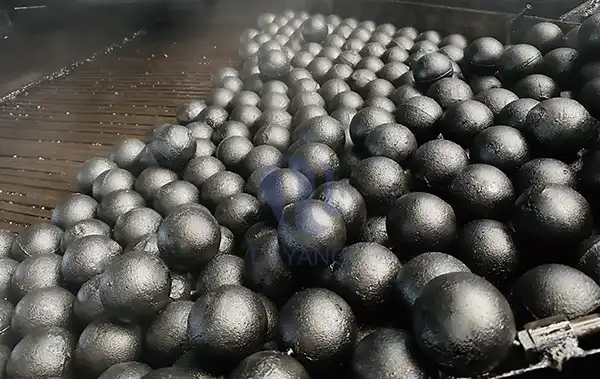
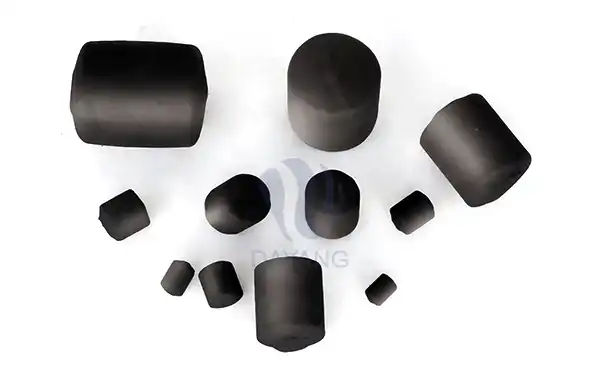
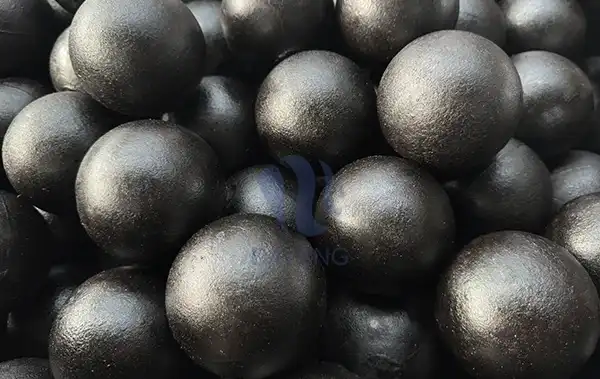
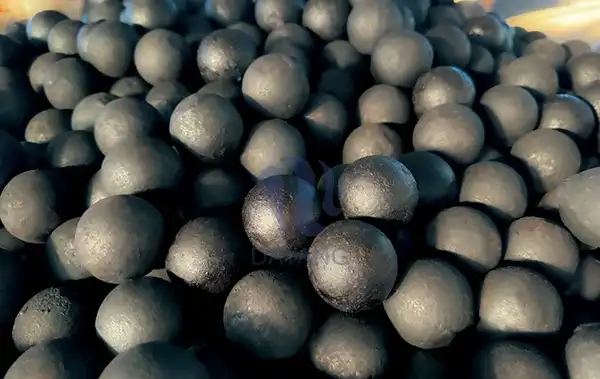
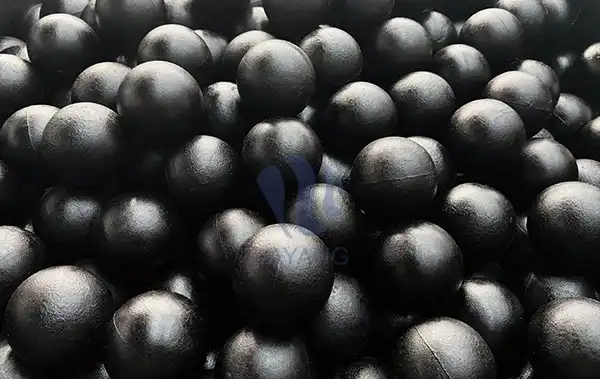
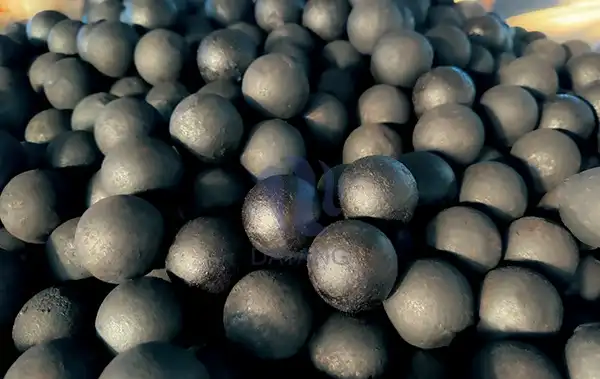
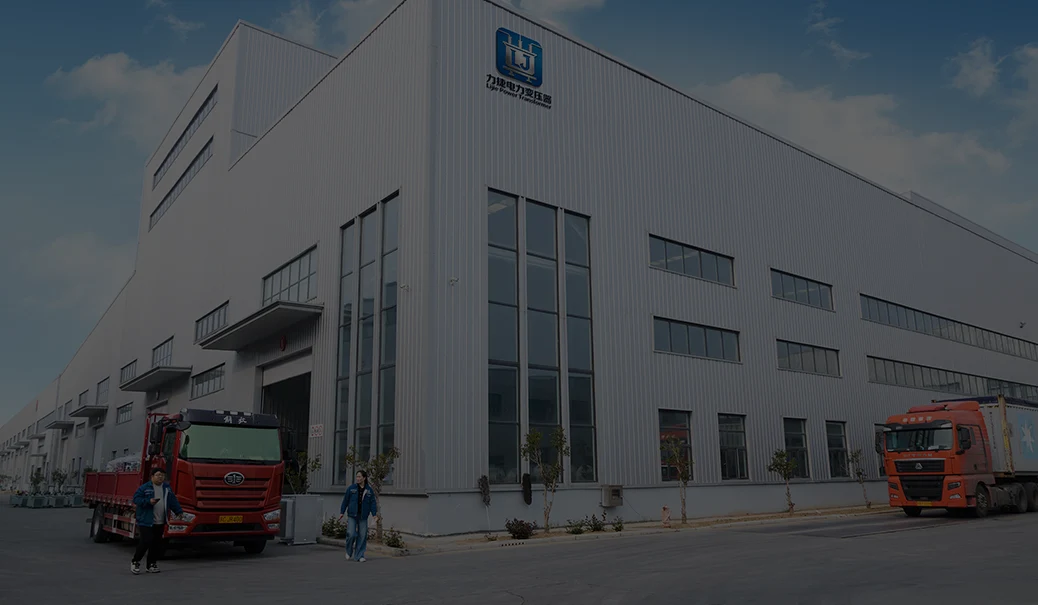
Chromium content, hardness levels, and application-specific needs must all be carefully considered when choosing a high chrome ball for severe grinding operations. Material characteristics, mill conditions, and operational requirements in sectors such as steel, cement, and mining all influence the best option. Crucial elements include hardness values (58-65 HRC), chromium content (usually 10-30%), and size parameters that align with your processing objectives and grinding equipment.
Understanding High Chrome Grinding Media Fundamentals
High Chrome Grinding Balls' Function in Industrial Processes
The foundation of effective grinding operations in a variety of industrial sectors is high chromium grinding balls. When compared to conventional steel substitutes, these specialty grinding media's higher chromium content greatly improves wear resistance and operating longevity.
Production Method and Ingredients
Iron, chromium, carbon, and other elements are combined in precise alloying procedures during the manufacturing process to provide superior grinding media. Chromium concentrations in high chrome steel balls usually range from 10% to 30%, with each percentage point adding to improved performance and durability.
Modern Casting Techniques for Unmatched Quality
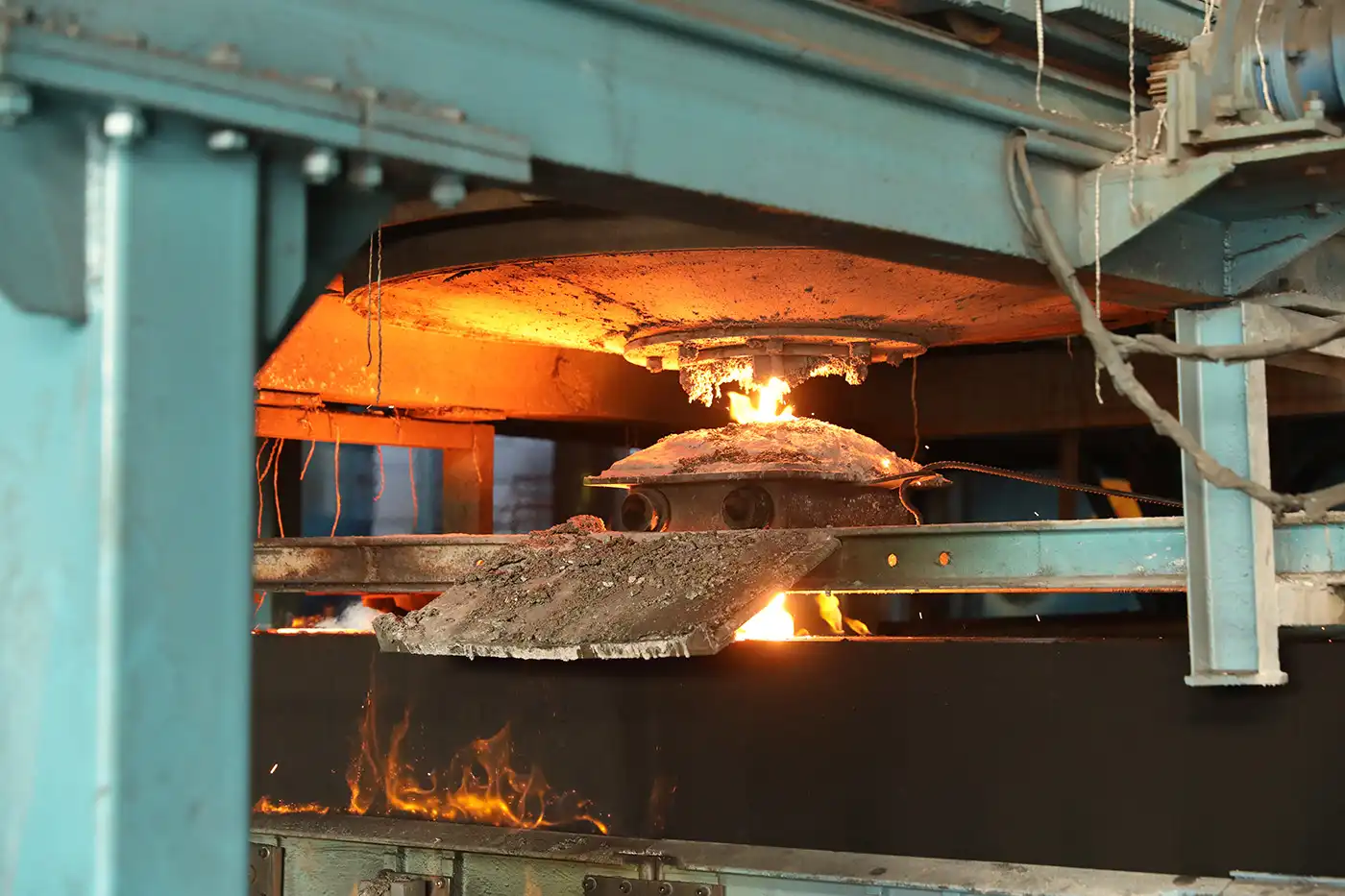
Advanced casting procedures are used in the production of high chrome alloy balls nowadays to guarantee consistent composition throughout each grinding ball. In demanding applications, this consistency results in predictable wear patterns and longer service life. Strict quality control procedures are used in manufacturing facilities to preserve exact mechanical and chemical compositions.
Advantages for Industrial Uses
High chrome grinding media offer greater abrasion tolerance and impact resistance, which are advantageous for industrial applications. These qualities are especially useful in power generation facilities, cement mills, and mining operations where reliable grinding performance has a direct impact on production costs and operational efficiency.
Critical Selection Criteria for Heavy-Duty Applications
A number of interrelated elements that affect grinding efficiency and media longevity must be examined in order to determine the ideal high chrome grinding ball characteristics. Making decisions that optimize operating efficiency and minimize replacement costs is made possible by having a thorough understanding of these characteristics.
The Effect of Chromium Content on Wear Resistance
The main factor influencing corrosion prevention and wear resistance is chromium concentration. Higher chromium concentrations, usually between 20% and 30%, are advantageous for applications involving extremely abrasive materials. On the other hand, 10% to 15% chromium content may produce satisfactory outcomes in less demanding situations, providing affordable alternatives without sacrificing performance.
The Function of Hardness Specifications in Grinding Efficiency
Media longevity and grinding efficiency are directly correlated with hardness requirements. High chrome cast balls usually have hardness levels between 58 and 65 HRC; the best choice will rely on the properties of the material and the grinding goals. While somewhat softer alternatives might offer superior grinding action for particular materials, harder balls perform better in applications needing longer wear life.
Size Distribution's Significance for Grinding
Efficiency Energy usage and grinding efficiency are significantly influenced by size distribution. A proper ball size selection takes into account the dimensions of the mill, the required product fineness, and the properties of the feed material. In order to maximize grinding efficiency across various material particle ranges, many operations use numerous size grades, with typical size ranges ranging from 20mm to 150mm.
Beyond Chromium, the Impact of Chemical Composition
Performance qualities are greatly influenced by chemical makeup other than chromium content. Hardness and wear resistance are influenced by carbon content, but toughness and impact resistance are improved by elements like nickel and molybdenum. Precise media selection for certain operational requirements is made possible by an understanding of these interactions.
Industry-Specific Performance Requirements
High chrome ball selection criteria and performance expectations are influenced by the particular challenges faced by various industrial sectors. Power plants, cement factories, and mining operations all require unique strategies for grinding media optimization.
Elevated Chrome Balls in Mining Activities
large chrome balls are usually needed for mining operations that can tolerate large impact forces and extremely abrasive ore minerals. Formulations with a maximum chromium content offer extended service life under difficult conditions, which is advantageous for copper, iron ore, and gold processing operations. Larger ball sizes are frequently used in these settings to efficiently handle coarse feed materials.
Enhancing High Chrome Balls for the Production of Cement
For cement mill applications that consistently reduce particle size while preserving operating efficiency, cement makers rely on high chromium balls. Cement grinding's alkaline environment necessitates particular alloy compositions that offer the best grinding action while fending off chemical attack. When choosing a ball size, raw material properties and final product requirements are taken into account.
Elevated Chrome Grinding Media for Energy Production
Specialized high chrome grinding media that can handle different coal properties while maintaining constant fineness levels are needed for power plant operations that use coal grinding equipment. Formulations with a medium chromium concentration that strike a balance between wear resistance and grinding efficiency are frequently advantageous for these applications.
Elevated Chrome Balls in Steel Manufacturing Plants
For the crushing and grinding of limestone, coal, and iron ore, steel mills use high chrome balls. Media that can endure impact and abrasion while retaining dimensional stability over long service periods is necessary due to the rigorous operational conditions.
Quality Assessment and Testing Protocols
Thorough testing procedures that evaluate mechanical attributes, performance qualities, and chemical composition are necessary to evaluate high chrome ball quality. Predictable operational performance and consistent media quality are guaranteed by these assessment techniques.
Verification of Composition by Chemical Analysis
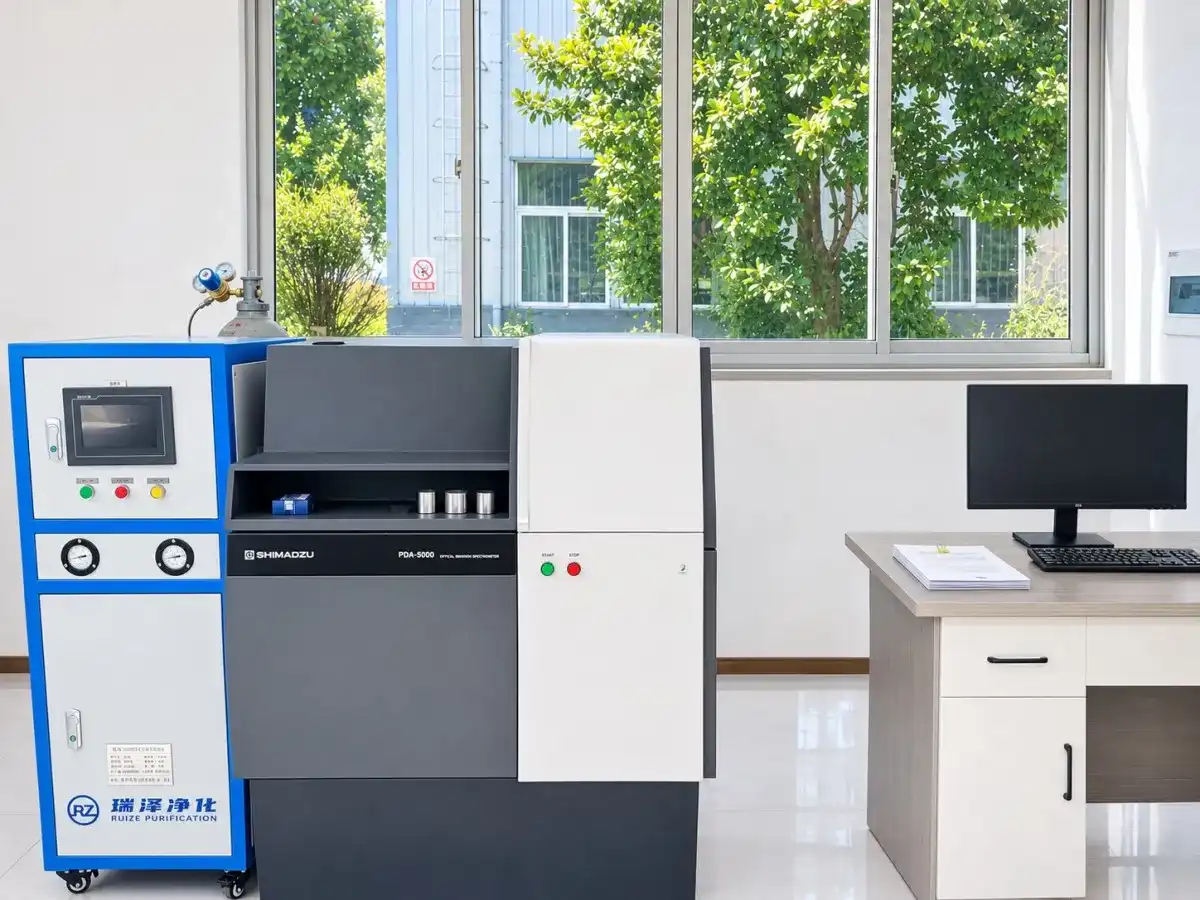
Chromium content, carbon levels, and trace element concentrations that affect grinding media performance are confirmed by chemical analysis. Comparing the quality of various suppliers and production batches is made possible by the precise compositional data provided by spectroscopic testing. This study guarantees adherence to industry standards and defined requirements.
Testing for Mechanical Properties: Durability, Impact Resistance, and Hardness
Under regulated circumstances, mechanical property testing assesses wear characteristics, impact resistance, and high chrome ball hardness. The Rockwell C scale for measuring hardness offers consistent comparisons across various media choices. Impact testing evaluates the fracture resistance and durability of media by simulating operational situations.
Predicting Service Life and Performance Degradation via Wear Testing
Standardized abrasion settings that mimic real-world grinding circumstances are applied to grinding balls as part of wear testing procedures. Quantitative information about wear rates, dimensional changes, and performance degradation over time is provided by these tests. Accurate service life forecasts and cost-effectiveness assessments are made possible by the results.
Quality Control Procedures for Reliability and Enhancement of Performance
Metallurgical structural analysis, surface finish evaluation, and dimensional verification are examples of quality control procedures. Prior to media installation, these tests detect possible performance problems and guarantee manufacture uniformity. Grinding performance is maximized and operational disturbances are reduced with proper quality assessment.
Cost Optimization and Lifecycle Considerations
Selecting grinding media effectively strikes a compromise between the initial investment expenses, long-term operational advantages, and replacement frequency needs. Making well-informed purchase decisions that optimize operational profitability requires an understanding of total cost of ownership.
All-inclusive Cost Factors After the First Purchase
The cost of transportation, installation, and disposal are other factors that affect high chrome ball prices in addition to the original purchase price. Although premium quality media with higher chromium content usually cost more, they frequently offer better value due to longer service lives and increased grinding efficiency.
Service Life Calculation for Cost Rationalization
Wear rates, operating conditions, and patterns of performance degradation are taken into account while calculating service life. When compared to typical alternatives, high-quality chrome steel balls frequently exhibit a 20–40% longer service life, which justifies premium pricing by lowering the frequency of replacements and the related downtime expenses.
Optimizing Media Selection to Increase Operational Efficiency
The overall cost of production can be greatly impacted by improvements in operational efficiency brought about by the optimal selection of grinding media. Improved throughput, lower energy usage, and more consistent product quality are all benefits of improved grinding performance. These advantages frequently outweigh variations in media costs.
Effective Inventory Control for Dependable Supply
Lead times, storage needs, and seasonal demand fluctuations are all taken into account by inventory management systems. Building ties with reputable high chrome ball suppliers reduces operational disruptions brought on by supply chain problems and guarantees consistent media availability.
Installation and Monitoring Best Practices
Grinding media performance and service life are maximized while improvement opportunities are identified through proper installation techniques and continuous monitoring measures. These procedures guarantee steady operating effectiveness and economical media use.
Methods of Charging and Initial Configuration for Maximum Grinding Efficiency
Initial charging processes take into account operational factors that affect grinding efficiency, ball size distribution, and mill volume. Depending on the needs of the application and the properties of the material, appropriate charge ratios normally fall between 35% and 45% of mill volume. During startup times, operational parameters can be optimized through gradual charging.
Continuous Tracking of Performance Indicators and Wear Rates
Wear rates, variations in size distribution, and performance indicators that indicate whether to replace or make operational adjustments are all tracked by monitoring systems. The information required to optimize charge composition and replacement schedules is provided by routine sampling and analysis. These procedures preserve grinding efficiency while reducing needless media use.
Performance Documentation Driven by Data for Ongoing Enhancement
Data analysis and trend identification made possible by performance recording facilitate ongoing improvement. Evaluation of supplier performance and optimization efforts are facilitated by the recording of operational data, media consumption rates, and grinding performance measures. This data helps with operational enhancements and well-informed purchase selections.
Ensuring Compliance and Safety in Monitoring and Installation
Proper handling techniques, the need for personal protection equipment, and environmental compliance measures are all aspects of safety. Training programs reduce operational risks and regulatory concerns while ensuring staff members understand safe installation and monitoring procedures.
Conclusion
It is necessary to carefully consider the chromium content, hardness requirements, size requirements, and application-specific performance factors when choosing the best high chrome balls for heavy grinding operations. Understanding how material qualities and operational requirements relate to one another while taking the whole cost of ownership into account rather than just the purchase price is essential for success. Consistent media performance and a predicted service life are guaranteed by quality assessment using appropriate testing procedures. With three decades of manufacturing experience and a wide range of products, NINGHU offers dependable solutions that optimize grinding efficiency and reduce operating costs in a variety of industrial applications.
Partner with NINGHU for Premium High Chrome Ball Solutions
With more than 30 years of experience manufacturing premium grinding media for sectors including steel production, cement, mining, and power generation, NINGHU is a reputable high chrome ball supplier. We guarantee consistent product quality that satisfies the highest industry requirements thanks to our state-of-the-art manufacturing facilities and ISO9001 accreditation. High chrome grinding balls, which come in sizes ranging from 20mm to 150mm and have a chromium concentration of 10% to 30%, are part of our product line. With a 50,000-ton yearly production capability, we promise a steady supply to help your company expand.
We at NINGHU provide full technical support, from the first consultation to continuing optimization. Together with your team, our skilled engineers create customized solutions that increase grinding efficiency while lowering expenses. We have a track record of providing outstanding grinding media all over the world, and our dedication to quality, innovation, and client satisfaction makes us the go-to option for dependable, high-performance media. Get in touch with our experts right now for individualized consultations and affordable prices at sales@da-yang.com or sunny@da-yang.com.
References
1. Johnson, M.K., & Peterson, R.L. (2023). "Advanced Grinding Media Selection for Mineral Processing Applications." International Journal of Mining Engineering, 45(3), 234-251.
2. Chen, W.H., Smith, D.A., & Rodriguez, C.M. (2022). "High Chromium Cast Iron Grinding Media: Composition, Properties and Performance Analysis." Materials Science and Engineering Review, 78(2), 156-173.
3. Thompson, K.R., & Williams, J.S. (2024). "Optimization of Ball Mill Charging for Enhanced Grinding Efficiency in Cement Production." Cement Industry Technical Bulletin, 31(1), 45-62.
4. Anderson, P.G., Lee, S.Y., & Brown, M.J. (2023). "Wear Mechanisms and Service Life Prediction of High Chrome Grinding Balls in Mining Operations." Wear and Tribology International, 67(4), 289-306.
5. Davis, L.M., & Wilson, T.K. (2022). "Economic Analysis of Grinding Media Selection in Heavy Industrial Applications." Industrial Process Engineering Quarterly, 29(3), 112-128.
6. Kumar, A.S., & Martinez, E.F. (2024). "Quality Control and Testing Protocols for High Chromium Grinding Media Manufacturing." Metallurgical Quality Assurance Journal, 52(1), 78-95.