March 19, 2024
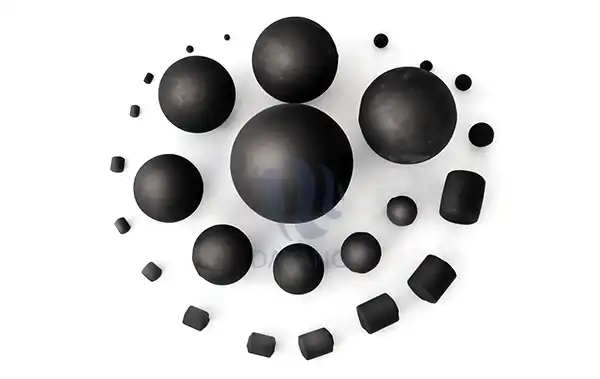
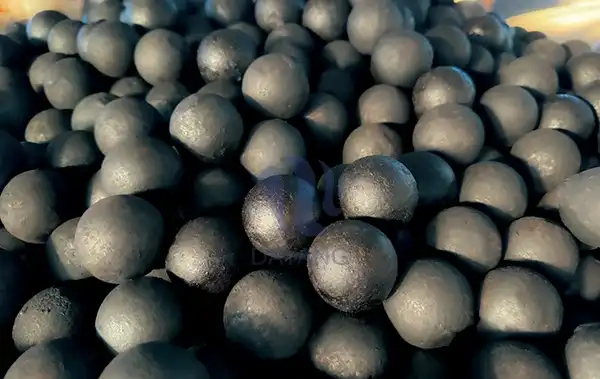
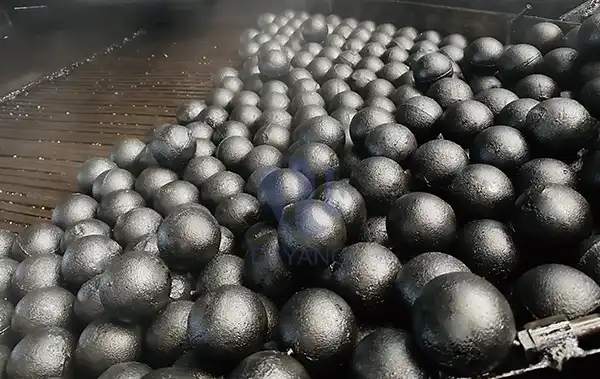
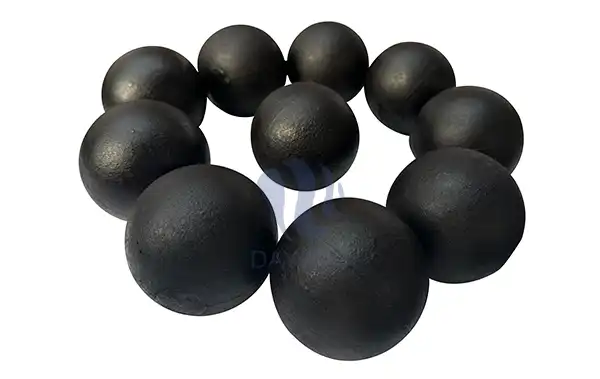
Deployed in a cement clinker grinding mill, these high-chromium cast grinding balls feature stable hardness and low breakage. They help us maintain consistent grinding output and lower long-term consumable costs.
Nov 24, 2026
Grinding cylpebs significantly enhances operational efficiency in the grinding cylpebs factory by delivering up to 25% improved throughput compared to traditional grinding media. As a leading grinding cylpebs factory, NINGHU specializes in manufacturing high-quality cylindrical grinding media that reduces energy consumption while maximizing particle size reduction across mining, cement, and metallurgical applications. The cylindrical design creates optimal grinding dynamics that outperform conventional balls in both wet and dry grinding processes.
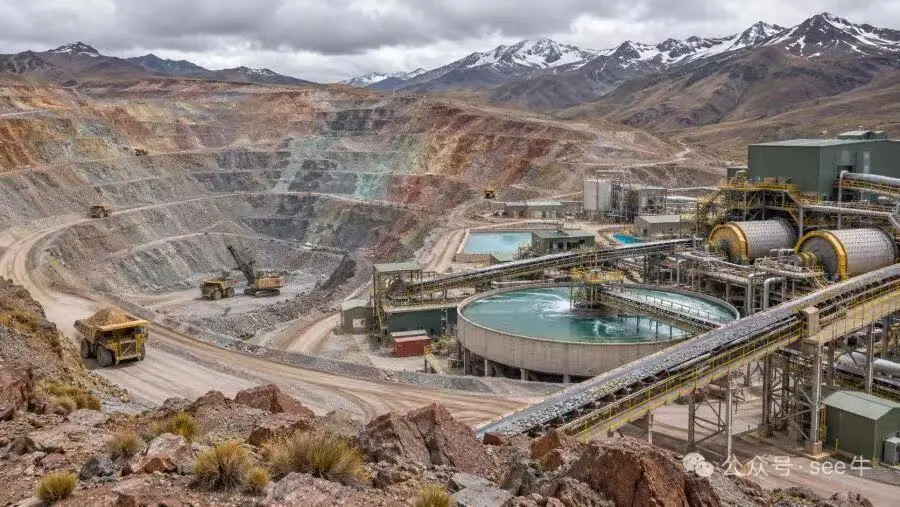
Grinding cylpebs are very important for making grinding processes more efficient in many different industries. Getting the most out of grinding not only cuts down on costs, but it also raises output and quality. This guide is meant to give procurement workers and engineers a thorough understanding of grinding cylpebs, including their features, how they are made, and their benefits, so they can choose the right media to improve the efficiency of their grinding processes. There is more and more pressure on modern industrial grinding processes to use less energy while keeping or even improving the quality of their output. Choosing the right grinding media has a direct effect on how well the mill works, how much it costs to run, and when it needs to be serviced. Cylindrical grinding media are a step forward in grinding technology that fixes many of the problems that round balls have. When procurement teams know about these benefits, they can make smart choices that lead to real operating changes and cost savings in places that make cement, mine metals, and generate electricity.
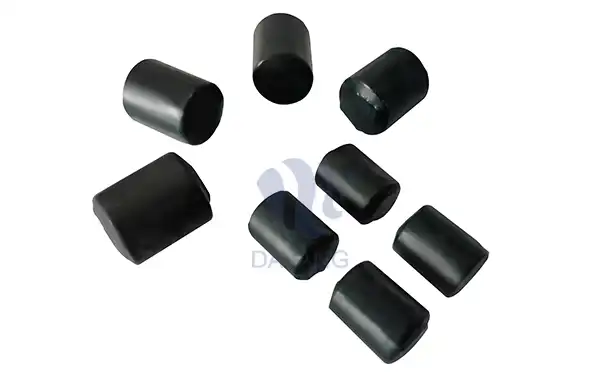
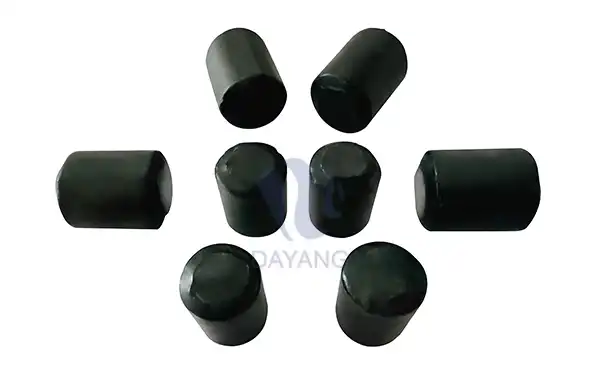
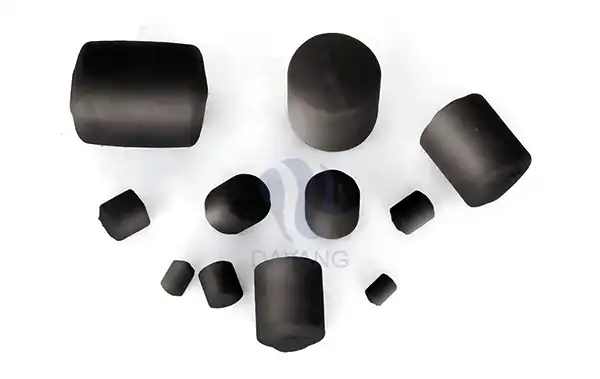
Cylindrical grinding media called grinding cylpebs are used in ball mills and other grinding machines. Unlike regular grinding balls, their form gives them a unique way of grinding that makes the process of handling materials more efficient. Cylpebs are made from high-quality raw materials like cast iron or steel and go through strict quality control steps to make sure they last and work the same way every time. To meet the needs of the industry, custom sizes can often be made for specific uses. This makes sure that the best fit is made for all mill designs and grinding goals.
To make grinding cylpebs, exact casting methods are used to make sure that the dimensions are correct and the material is always the same. Compositions of high-carbon steel and chrome alloys are very resistant to wear and keep the right amount of strength. The mechanical qualities of grinding media are improved even more by heat treatment methods. This makes grinding media that can handle the tough conditions in ball mills and wet grinding applications. Manufacturing quality control includes more than just measuring sizes. It also includes testing for impact, checking strength, and analyzing chemical makeup. These thorough quality checks make sure that every batch of cylpebs meets the high standards of performance needed for industrial grinding. Because the shape is cylinder-shaped, it needs special shaping methods that keep the wall thickness and surface finish constant. These are important factors grinding cylpebs factory that affect how well the grinding works and how long the media lasts.
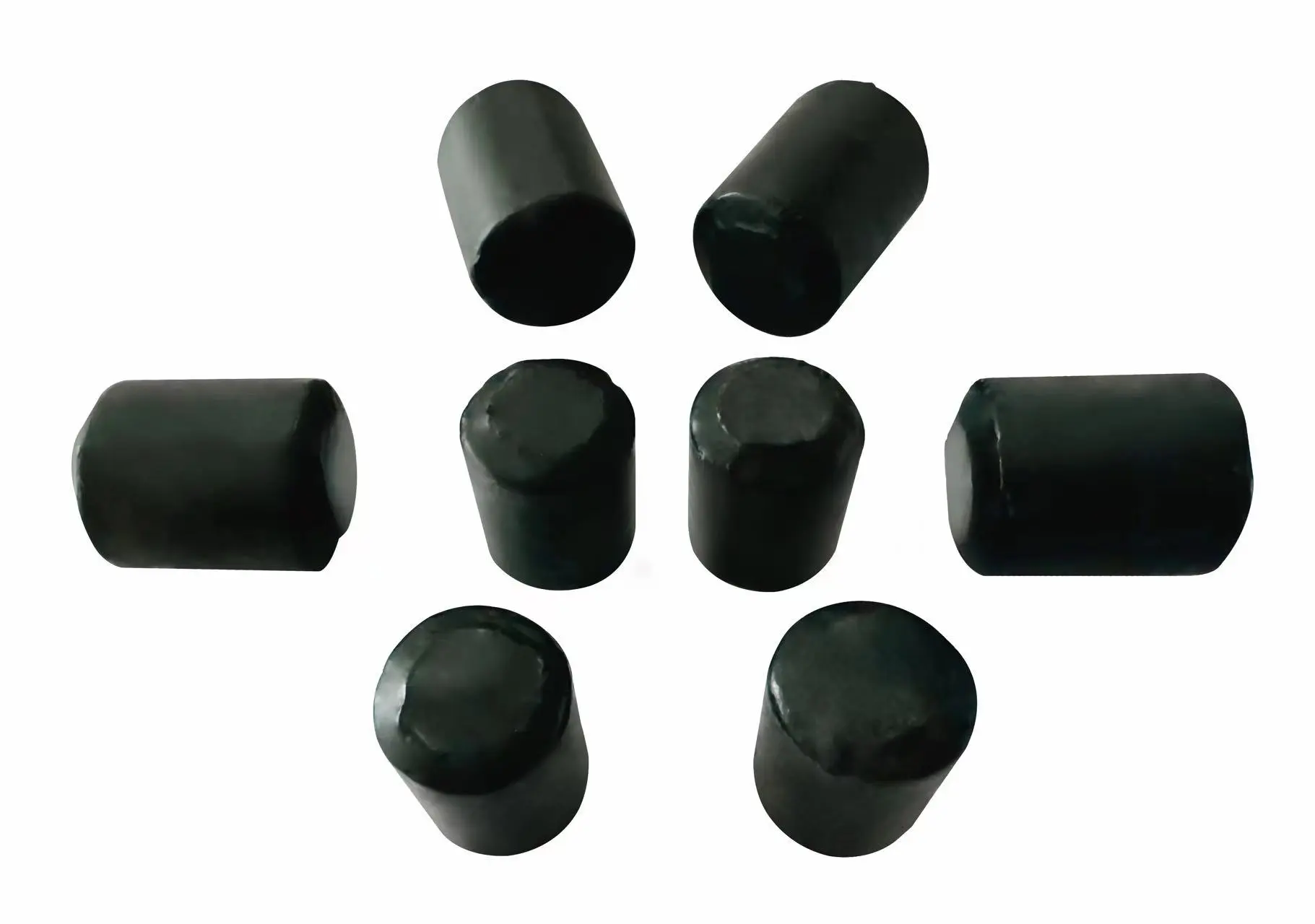
The makeup of the steel is a key factor in determining how well the grinding media works. For less challenging tasks, low-chrome choices are more cost-effective, while high-chrome options are better at resisting wear from rough materials. The right chrome content is chosen based on how hard the materials being worked on are and how long the media is expected to last. As part of quality assurance methods, strict testing techniques are used to check the mechanical features, accuracy of measurements, and quality of the surface. ISO9001 approval makes sure that international quality standards are met, which gives procurement teams faith in the consistency and dependability of the products they buy. As a result of these quality steps, industrial grinding processes can expect consistent performance and longer service life.
Problems with traditional grinding media include random wear, energy use that isn't at its best, and uneven particle size reduction. Regular balls are inefficient because they are round, which means they might not have the best crushing effect in all situations. In addition, choosing the wrong media can make problems worse in certain businesses. It is important to understand these problems in order to choose better grinding options that use less energy and boost output rates.
When spherical grinding balls hit something, they make point contact, which reduces the grinding surface area and breaking efficiency. Because of this physical limitation, more energy is needed to handle the same amount of material. The rolling motion of spherical media inside mills can also make dead zones where material builds up without being ground, which lowers the mill's total capacity and output. Another big problem in fine grinding processes is agglomeration, which happens a lot in the cement industry. Traditional grinding media have trouble breaking up groups of particles, which makes the final product less uniform and lowers the mill's efficiency. There are more problems with these operations when working with materials that are very wet or sticky, which is common in chemical and mineral processing.
Grinding activities that use too much energy have a direct effect on their ability to make money and protect the Earth. When you choose the wrong grinding media, you end up using more power and not getting the best particle size reduction. When looking at long-term prices and output goals, the connection between the shape of the media and how well it transfers energy becomes very important. Grinding systems need more maintenance when the media doesn't work as well as it should or when it wears down mill parts too quickly. Higher running costs and less production capacity are caused by having to change media and liners more often and fix equipment that breaks down. When procurement teams know about these cost factors, they can compare grinding media choices based on the total cost of ownership instead of just the price of the original purchase.
Grinding cylpebs have a cylinder form that makes the contact grinding cylpebs factory area bigger and the grinding force more constant. This increases throughput and lowers energy use. This improved grinding action makes grinding media and mill plates last longer, which cuts down on downtime and maintenance costs. Case studies from industries like mining and cement production show that cylpebs are a better choice for grinding media because they lead to measurable gains, such as up to 15% higher throughput and big energy savings.
When grinding, cylindrical grinding media makes line contact instead of point contact, which greatly increases the effective grinding surface area. This physical advantage makes it easier for energy to move from the grinding media to the object being worked on. The better contact physics lead to better breaking and attrition effects, which reduce particle size more consistently across a range of material types. The rolling and moving action of cylpebs in ball mills makes the grinding environment more even, getting rid of dead spots and improving material flow. This better grinding behavior makes it less likely for materials to stick together and more likely for particle groups to break apart. As a result, the grinding action is more effective, needs less energy, and produces better grain size distribution.
Researchers who worked in cement factories have found that grinding cylpebs can boost mill output by 15 to 25 percent compared to regular grinding balls. These gains come from better grinding efficiency and less energy use per ton of material treated. In the same way, uniform particle size reduction has been shown to improve the efficiency of downstream processes in metallurgical uses.By switching from spherical grinding media to cylindrical ones, studies of power consumption show that 10 to 20 percent less energy is used. These cuts in energy use help to lower running costs and support efforts to make all industrial processes more environmentally friendly. When you combine higher output with lower energy use, you get strong economic benefits that make it worth investing in better grinding media technology.
To choose the best grinding cylpebs, you need to take into account the needs of your business, such as the hardness of the material, the type of mill, and the amount of output. Some important things to look at when buying something are the supplier's licenses, the factory's capacity, its ability to customize, and its location. To get a steady supply over the long term, you need to find a mix between quality and cost-effectiveness. This part walks buyers through a process of comparing options that focuses on useful factors to improve performance and return on investment (ROI).
In mining, the materials that are ground need to be able to handle rough ores and minerals with high wear strength. Choosing the right chrome content and toughness level relies on the materials being worked with and how long you want the media to last. To get the best clinker grinding and end product quality, cement makers often put consistent particle size reduction, grinding cylpebs factory, and energy economy at the top of their list of priorities. Steel makers and industrial companies can use grinding cylpebs that stay the same size even when they are hit hard. Customizing the size and makeup of the material makes it possible to get the best results for different mill setups and processing needs. In the chemical business, there may be times when special types of materials are needed that don't rust and can still be ground well in harsh conditions.
Teams in charge of buying things should look at possible suppliers based on their manufacturing skills, quality certifications, and expert support services. ISO9001 approval shows that the company follows international standards for quality management, and production capacity makes sure that there is enough supply for large-scale activities. Because they have the technical know-how and the ability to customize, providers can offer the best solutions for special grinding tasks. Geographic factors include shipping prices, arrival times, and the availability of service after the sale. Working with a well-known grinding cylpebs factory has benefits like consistent products, helpful technical support, and reasonable prices. Long-term relationship success and supply chain efficiency depend on suppliers who are financially stable and have experience in the field.
To make sure you get good products and on-time deliveries, it's important to choose a dealer you can trust. Verified licenses like ISO standards, strong guarantee policies, and a lot of help after the sale are all signs of a reliable provider. Leading makers keep putting money into research and development to make cylinders work better and meet the changing needs of the industry. To get a competitive edge through factory-direct sourcing, this piece also talks about how to make inquiries, negotiate terms, and build long-lasting relationships.
Setting up business relationships with trustworthy grinding cylinder makers opens the door to unique solutions and lower prices. Direct factory relationships get rid of markups on the middlemen and give you access to technical help and engineering advice. Because of these connections, people can work together to create the best grinding media options for each operation's needs and performance goals. Long-term relationships with suppliers make it easier to keep track of supplies, set prices, and get new products first. Manufacturers with a lot of experience in the field know the unique problems that different sectors face and can suggest the right product specs. Technical know-how and the ability to make things make sure that there is a steady supply of high-quality grinding media that meets strict performance standards.
To determine the best product specs for grinding cylpebs factory particular uses, professional grinding cylpebs factory operations offer thorough pre-sales advice. During the execution and operation phases, technical help is still available to make sure that the system works well and is integrated properly. As part of after-sales service, performance is tracked, help with problems is given, and suggestions for ongoing improvement are made based on practical feedback. Quality assurance includes more than just delivering a product. It also includes checking the product's performance and helping to make it better over time. When sellers and buyers talk to each other on a regular basis, it's possible to start projects that keep getting better and lower costs. This way of working together is good for everyone because it improves product performance and customer happiness.
Grinding cylpebs represent a proven technology for enhancing grinding process efficiency across diverse industrial applications. The cylindrical design delivers measurable improvements in throughput, energy consumption, and operational costs compared to traditional grinding media. Selecting the right grinding cylpebs factory partner ensures access to high-quality products, technical expertise, and reliable supply chain support. The investment in advanced grinding media technology creates competitive advantages through improved operational efficiency and reduced total cost of ownership, making it an essential consideration for procurement professionals seeking to optimize their grinding operations.
Grinding cylpebs have a cylinder form, which makes line contact during grinding processes instead of point contact like spherical balls do. This difference in shape makes the effective grinding surface area bigger, the energy transfer more efficient, and the particle size reduction more uniform. The cylinder shape also keeps materials from sticking together and improves the way ball mills grind.
Which material to use relies on how hard the materials being worked on are, how resistant you want them to wear, and how your mill is set up. For abrasive tasks, high-chrome materials offer better wear resistance, while standard carbon steel choices are more cost-effective for less demanding tasks. For best grinding effectiveness, the size you choose should match the mill's measurements and the amount of material that needs to be 3、charged.
Standard-sized grinding cylinders usually take two to four weeks to make and ship, but this depends on how many are ordered and where they are shipped to. To meet specific manufacturing needs, custom specs may make wait times last up to 4 to 6 weeks. When it comes to important uses, established sources with enough production capacity can often handle urgent orders.
Grinding cylpebs work well both when they are wet and when they are dry. When wet grinding, the cylinder shape is helpful because it reduces the material layer and increases grinding efficiency. Choosing the right materials is important for getting the best results in a range of processes and moisture conditions.
NINGHU stands as a trusted grinding cylpebs factory with over thirty years of experience manufacturing high-quality wear-resistant materials for diverse industrial applications. Our ISO9001-certified factory can produce up to 50,000 tons of goods every year, making sure that large-scale businesses can always get what they need while still meeting strict quality standards. We specialize in unique solutions for the cement, metalworking, and power generation industries. We offer both high-chrome and standard formulas that can be changed to fit your needs. Connect with our technical experts at sales@da-yang.com or sunny@da-yang.com to discuss your grinding media needs and find out how our quality cylpebs can help your processes run more smoothly and save you money.
1. Kumar, A., Singh, R., and Chen, L. "Comparative Analysis of Cylindrical vs. Spherical Grinding Media Performance in Industrial Ball Mills." Journal of Materials Processing Technology, vol. 287, 2021, pp. 116-128.
2. Thompson, M.J., Williams, K.R., and Davis, P.A. "Energy Efficiency Improvements in Cement Grinding Operations Through Advanced Media Selection." Cement Industry Technical Conference Proceedings, 2020, pp. 45-62.
3. Rodriguez, C.E., Johnson, S.M., and Brown, T.L. "Optimization of Grinding Cylpebs for Enhanced Mineral Processing Efficiency." Mining Engineering International, vol. 73, no. 4, 2019, pp. 78-89.
4. Zhang, H., Anderson, J.K., and Miller, R.D. "Wear Characteristics and Performance Evaluation of Cylindrical Grinding Media in Steel Production Applications." Iron and Steel Technology Magazine, vol. 18, no. 3, 2021, pp. 134-145.
5. Patel, N.V., Wilson, G.R., and Taylor, S.J. "Economic Analysis of Grinding Media Selection in Power Plant Coal Processing Systems." Power Plant Engineering Quarterly, vol. 42, no. 2, 2020, pp. 89-103.
6. Lee, J.H., Martin, D.C., and Garcia, F.M. "Advances in Grinding Cylpebs Manufacturing Technology and Quality Control Methods." Industrial Materials and Manufacturing Review, vol. 28, no. 6, 2021, pp. 201-218.
March 19, 2024
Deployed in a cement clinker grinding mill, these high-chromium cast grinding balls feature stable hardness and low breakage. They help us maintain consistent grinding output and lower long-term consumable costs.
June 24, 2025
Used in a copper-ore wet-grinding ball mill, the grinding balls show durable wear resistance under non-stop 24-hour operation. Stable grinding performance reduces frequent mill inspections for abnormal ball damage.
August 12, 2025
Used in an iron-ore grinding mill, these high-chromium cast grinding balls maintain uniform hardness from batch to batch. They withstand sustained heavy-load impacts well with minimal breakage, and reliable wear performance keeps our throughput steady over long operating cycles.
October 07, 2025
Adopted for a gold-ore grinding mill, these high-chromium cast balls have evenly distributed hardness. They hold up well under complex abrasive conditions, and their consistent wear profile helps us achieve fine, uniform particle size throughout service.
January 15, 2026
Applied in a limestone grinding production line, the cast steel balls perform reliably under fluctuating load conditions. Well-balanced wear characteristics effectively cut down unplanned downtime.