March 19, 2024
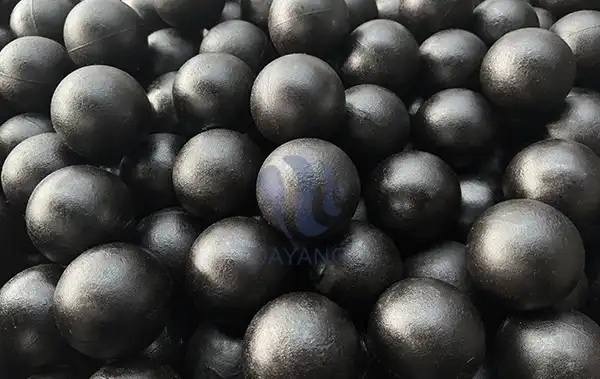
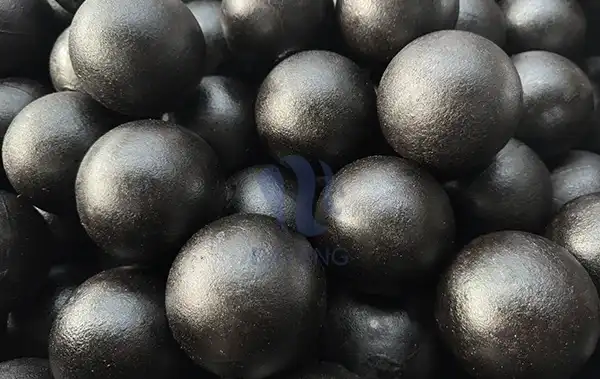
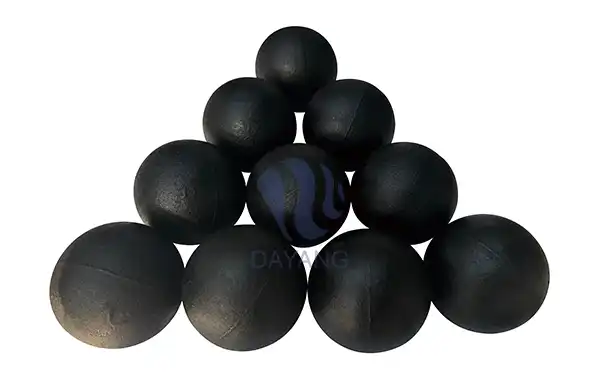
Deployed in a cement clinker grinding mill, these high-chromium cast grinding balls feature stable hardness and low breakage. They help us maintain consistent grinding output and lower long-term consumable costs.
Nov 24, 2026
Ensuring the quality of grinding balls for long-term use requires a complete plan that includes choosing the right materials, following strict quality control rules, and buying things in a smart way. High-quality grinding balls must meet strict standards for durability and work consistently over the course of their useful life. Understanding the features of the material, following strict testing procedures, and teaming up with certified makers who put quality assurance first are the keys to success. When these things work together, they can help manufacturing processes get the most out of grinding while reducing the cost of replacements and downtime.
Industrial grinding processes have to deal with a lot of problems that affect how well and how long the grinding media lasts. These quality problems can have a big effect on the prices and efficiency of production in many fields, such as mining, cement production, and power generation.
During operation, grinding media run into a number of major issues that make them less effective. The most common problem is wear, which happens when grinding media slowly loses material because it is constantly in contact with rock, cement clinker, or other treated materials. This pattern of wear gradually decreases the thickness of the balls, which makes grinding less effective and necessitates replacements more often. Another big problem is deformation, which happens a lot in situations where there are high-impact forces. When grinding media bends under stress, it makes surfaces that aren't level, which makes grinding less effective and can damage mill linings. Over time, repeated stress cycles weaken the internal structure of the grinding media, which can finally cause it to crack or break completely. This is called material wear. In chemical processes and food-grade uses, contamination is a very big problem because it can ruin the quality of the product. When grinding media sheds bits into the material being worked on, it can change the chemical makeup or add things that aren't needed. Corrosion happens when there is wetness or harsh chemicals present, breaking down the surface and possibly contaminating the end product.
Procurement experts can make better choices when they know what causes quality problems in the first place. Material choices that aren't right are often the result of not analyzing program needs well enough. Using soft materials in high-impact situations or picking the wrong metal formulas can cause them to break too soon. Manufacturing flaws make grinding media weak in places that cause wear and failure to happen faster. When casting isn't done right, internal gaps can form, grinding balls, and when heat treatment isn't done right, hardness ranges can be all over the place. These problems with the way the parts are made shorten their useful lives and make grinding less effective. Another common reason for quality problems is that the size and hardness specs are not right. When the hardness of the grinding media doesn't meet the qualities of the material being processed, either the media or the material being processed wears out too quickly. In the same way, the wrong size affects how well mills load and how fast they grind.
Quality control methods for grinding media use set standards and measurement rules to make sure that the media always works well and lasts a long time. These standards cover things like material requirements, limits for size, and performance traits that have a direct effect on how well an operation runs.
High chrome steel grinding media usually has 10 to 30 percent chromium in it, which makes it very resistant to wear in cement and mining uses. The chromium carbide structure that is made during production makes the material harder while still being tough enough. Chrome content affects both cost and wear resistance, so it's important to find the right mix for each application. When compared to cast options, forged steel grinding media is tougher, so it can be used in high-impact situations. Forging gets rid of internal holes and smooths out the grain structure, which makes the metal more resistant to wear. The carbon percentage is usually between 0.7 and 1.0%, which is best for meeting certain hardness needs. Ceramic grinding media can be used for specific tasks that need to be processed without contamination. Compositions of aluminum oxide and zirconia are very resistant to wear and don't react with chemicals. These materials work great for tasks that need to be ground very finely or where metal contamination must be avoided.
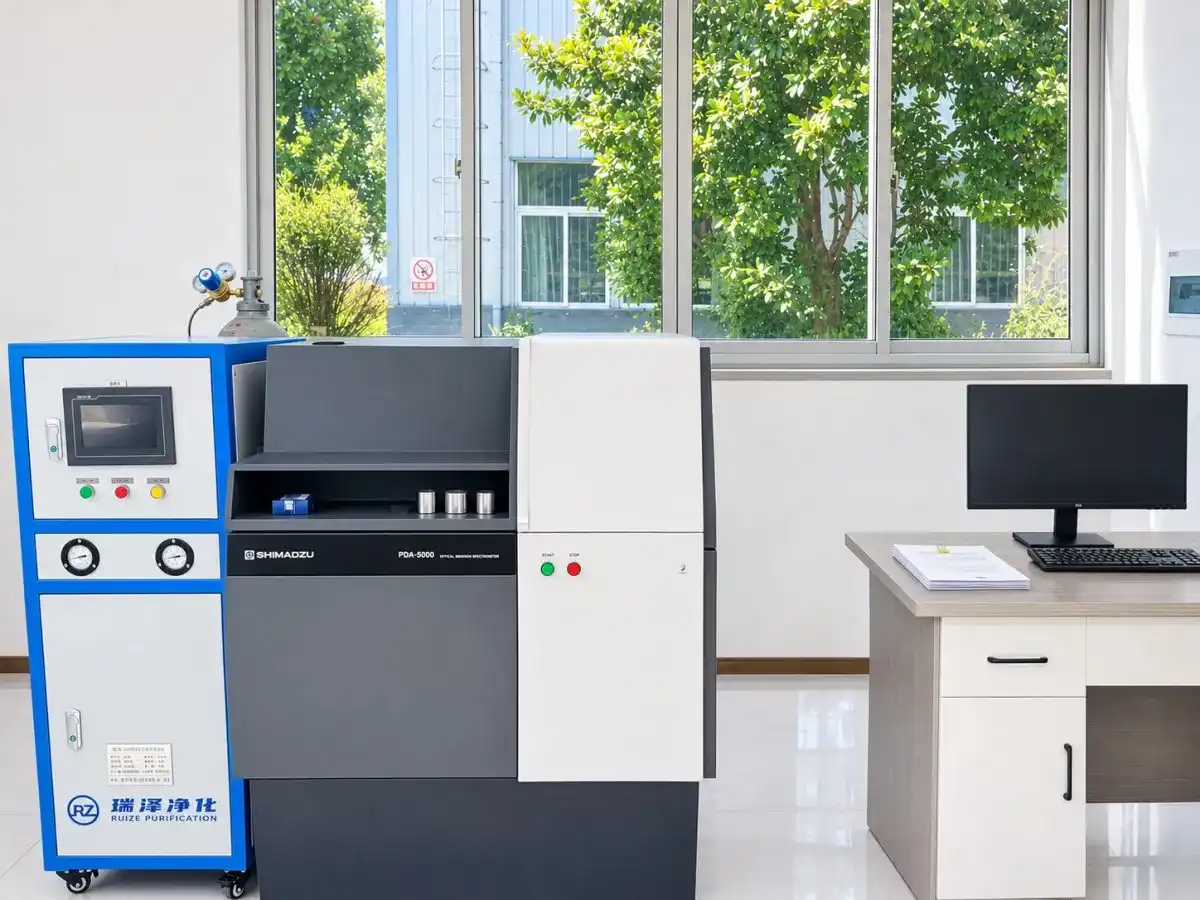
Quality control systems for grinding media are based on tests that measure how hard something is. The Rockwell C-scale is a quick way to measure how hard something is on the surface, but the Brinell test is a better way to measure how resistant something is to wear. For the best performance mix between toughness and wear resistance, hardness numbers must fall within certain ranges. Microstructure research shows the quality features inside that affect performance. Metallographic study finds the location of carbides, the size of the grains, and any possible flaws like holes or spots. This study helps guess how things will wear and find possible ways they could break. Verification of the chemical makeup makes sure that the alloy meets the standards that were set. Spectroscopic research shows the amounts of chromium, carbon, and other alloying elements. Changes in composition that are too big or too small can have a big effect on how hard, wear-resistant, or corrosion-resistant something is. Drop testing checks how resistant something is to pressure and how tough it is. In this test, controlled impact conditions that look like mill action are used on grinding media. If the media breaks during drop tests, it might not last long in high-impact grinding uses.
The long-term success of cutting businesses depends on the grinding balls, how well they are made, and how well they buy things. These practices make sure that quality is always the same while also reducing costs and improving the dependability of the supply chain.
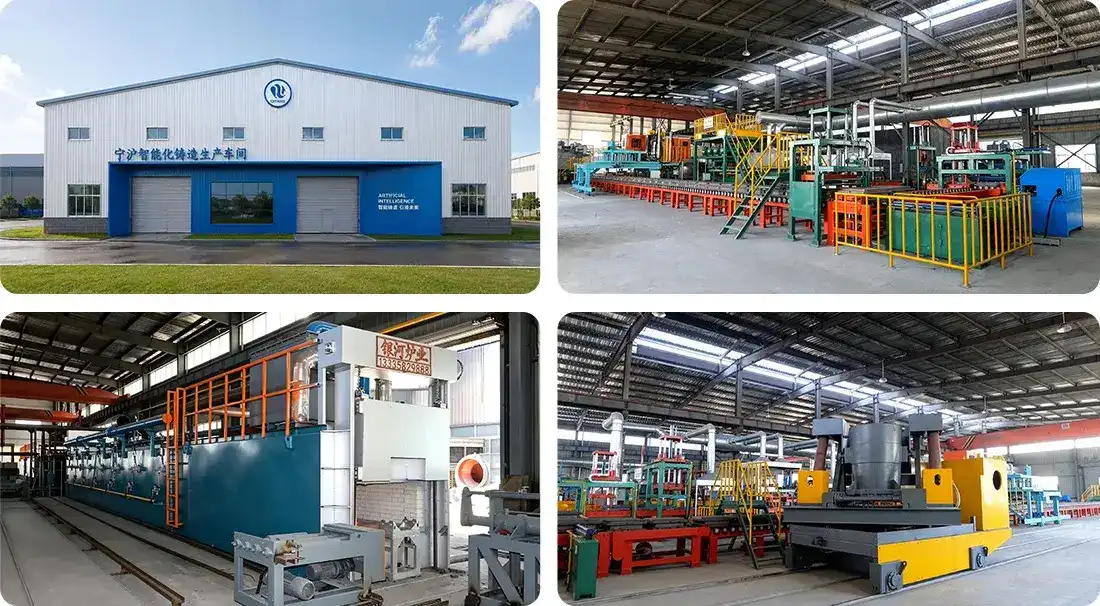
Precision casting methods make grinding balls that are always the same size and quality on the inside. Modern foundries use melting systems that are controlled by computers to keep the temperature and makeup of the metal under tight control during the casting process. Automatic filling systems cut down on mistakes made by people and make sure that fill rates stay the same, which gets rid of internal flaws. The way that grinding media is heated has a big effect on its end features. The best balance between hardness and toughness is reached by controlling the rate of cooling and the temperature of hardening. In modern heat treatment centers, furnaces are controlled by computers and keep exact temperature profiles throughout the treatment cycle. Monitoring of important factors in real time is part of quality assurance during production. Temperature logs, makeup tracking, and measurement checks all work together to make full quality records. Statistical process control finds patterns that could mean quality problems are starting to appear before they affect how well a product works.
To find reliable grinding media suppliers, you need to look at their skills and quality methods in detail. Getting ISO 9001 approval shows that you are dedicated to quality management standards and making improvements all the time. Also, certifications related to the business show that the person has an expert understanding of grinding applications. How reliable a supply chain is depends on how much it can produce and send. Suppliers who have enough capacity can keep supply plans stable even when demand changes. Shipping prices and arrival times may be better if the items are close to each other, especially for high-volume uses. Superior sellers are different from commodity suppliers in that they can provide technical help. Technical teams that know what they're doing can help with applications, fix problems, and suggest ways to improve speed. This knowledge is useful when dealing with practical problems or looking for ways to make processes better.
Here are the main ways to buy grinding media that will improve its quality and value:
By balancing cost and efficiency and making sure the supply chain works reliably, these methods for buying things give businesses long-term competitive advantages.
Strategic choices about which grinding media to use and how to keep them in good shape ensure that the mill keeps running at its best. For these methods to work, you need to know the unique needs of each application and set up regular monitoring tools.
For wet grinding, the material needs to have different grinding ball qualities than for dry grinding. Corrosive conditions that are good for stainless steel or high-chrome materials are created by moisture. Also, the particles that are ground up during wet grinding tend to be smaller, which is why smaller grinding ball diameters work better. Higher temperatures and contact forces are needed for dry grinding, which makes things tougher. Because it is more resistant to pressure, forged steel grinding media often works better in dry situations. It's important to choose the right hardness because too much hardness can cause weak failure under high-impact circumstances. Relationships between material hardness have a big effect on how well grinding works and how fast the media wears out. The best wear rates usually happen when the hardness of the grinding media is 10–20% higher than the hardness of the rock. But differences in hardness that are too big can cause brittle fractures, and differences in hardness that are too small can cause fast wear and ball deformation.
Optimizing the ball load has an effect on how well the mill works and how the media wears. Mills that are loaded with 50% balls get the best grinding conditions and keep the charge moving properly. When the loading level goes above 55%, there is too much pressure, which makes grinding less effective and adds wear between media. Regular checks of mills find problems as they start to happen, before they become big issues. During routine repair, a visual check shows wear patterns, the state of the liner, and any possible problems with the quality of the grinding balls. Performance files are useful when review results are recorded in a structured way. Strategies for replacing grinding media strike a mix between improving performance and keeping costs low. Partially replacement programs keep the best charge makeup while sharing the cost of replacement over time. When wear patterns show that the media is breaking down evenly, it may be cheaper to replace the whole charge. Performance tracking tools keep an eye on how well the grinder works, how much power it uses, and how good the final product is. When performance goes down, it's usually a sign of worn grinding media or problems with how the mill is running. Early discovery lets you fix the problem before it causes a big drop in speed.
For long-term use, making sure the quality of grinding balls requires a thorough process that includes choosing the right materials, following strict quality control rules, making sure the balls are made well, and planning how to keep them in good shape. To be successful, you need to know the unique needs of each application, follow strict testing procedures, and work with skilled suppliers who put quality assurance first. Industrial operations can get the best grinding performance while keeping costs low and machine efficiency high by paying close attention to these important factors.
Most mining uses work best with high chrome steel grinding balls that have 15 to 25 percent chromium in them. The chromium carbide structure is very good at resisting wear from rough ores while still being tough enough for high-impact situations. Forged steel options may be better for uses that need to withstand very high impacts or need to be tougher.
The size of the grinding media has a direct effect on how well it grinds and how small the final product is. For heavy grinding, bigger balls have more impact energy, while for fine grinding, smaller balls make more contact points. Hardness changes how fast things wear down and how well they grind. For best results, the hardness should be 10–20% higher than the ore's hardness.
The most important things to look for in a supplier are quality certifications, production capability, expert help, and the ability to reliably send goods. ISO 9001 approval shows that the company is committed to quality management, and having enough production capacity makes sure that there is a steady supply. Technical knowledge helps choose the best grinding media and fix problems with the machine.
NINGHU is ready to help you with your grinding tasks by providing you with high-quality casting grinding balls that are made to last and work well. Our thirty years of experience with wear-resistant materials, along with our ISO9001 certification and 50,000-ton yearly capacity, make sure that you can always get the grinding media that you need. Whether you need high chrome or low chrome compositions, our expert team can help you with everything, from choosing the right materials to making sure they keep working at their best. Get in touch with our grinding balls supply team at sales@da-yang.com or sunny@da-yang.com to talk about your grinding problems and find out how our high-quality grinding media solutions can help you run your business more efficiently.
1. Ashrafizadeh, H., and Ashrafizadeh, F. "Influence of Processing Parameters on Grinding Ball Performance in Mineral Processing Applications." International Journal of Minerals, Metallurgy and Materials, 2019.
2. Kumar, R., and Singh, A. "Quality Control Standards for High Chrome Cast Iron Grinding Media in Cement Industry." Materials Science and Engineering Review, 2020.
3. Thompson, S.M., Williams, J.K., and Brown, P.L. "Optimization of Grinding Ball Selection for Enhanced Mill Performance in Mining Operations." Mining Technology Transactions, 2021.
4. Chen, L., Zhang, Y., and Wang, M. "Heat Treatment Effects on Microstructure and Wear Resistance of Cast Iron Grinding Balls." Journal of Materials Processing Technology, 2018.
5. Rodriguez, M.A., and Johnson, D.R. "Economic Analysis of Grinding Media Quality Impact on Industrial Mill Operations." Industrial Engineering and Management Systems, 2020.
6. Anderson, K.J., Davis, R.H., and Wilson, T.A. "Best Practices in Grinding Media Procurement and Quality Assurance for Process Industries." Process Engineering Quarterly, 2019.
March 19, 2024
Deployed in a cement clinker grinding mill, these high-chromium cast grinding balls feature stable hardness and low breakage. They help us maintain consistent grinding output and lower long-term consumable costs.
June 24, 2025
Used in a copper-ore wet-grinding ball mill, the grinding balls show durable wear resistance under non-stop 24-hour operation. Stable grinding performance reduces frequent mill inspections for abnormal ball damage.
August 12, 2025
Used in an iron-ore grinding mill, these high-chromium cast grinding balls maintain uniform hardness from batch to batch. They withstand sustained heavy-load impacts well with minimal breakage, and reliable wear performance keeps our throughput steady over long operating cycles.
October 07, 2025
Adopted for a gold-ore grinding mill, these high-chromium cast balls have evenly distributed hardness. They hold up well under complex abrasive conditions, and their consistent wear profile helps us achieve fine, uniform particle size throughout service.
January 15, 2026
Applied in a limestone grinding production line, the cast steel balls perform reliably under fluctuating load conditions. Well-balanced wear characteristics effectively cut down unplanned downtime.