%20-%20%E5%89%AF%E6%9C%AC%20-%20%E5%89%AF%E6%9C%AC.webp)
.webp)
.webp)
.webp)
.webp)
.webp)
.webp)
March 19, 2024
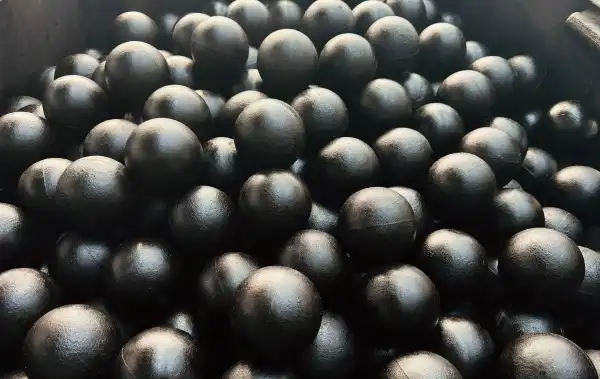
Deployed in a cement clinker grinding mill, these high-chromium cast grinding balls feature stable hardness and low breakage. They help us maintain consistent grinding output and lower long-term consumable costs.
Jun 22, 2024
In the realm of grinding media for industrial applications, the choice between various types can significantly impact efficiency and cost-effectiveness. Among these options, low chromium casting grinding cylpebs stand out for their distinct advantages. In this article, I will delve into the differences between cast and forged grinding media, explore the role of grinding media in a ball mill, and elucidate the functions of a ball mill itself.
Before delving into the differences between cast and forged grinding media, it is essential to understand the fundamental purpose of grinding media in a ball mill. Grinding media, which can be in the form of balls, cylpebs, or other shapes, are used to crush and grind material in a ball mill. The motion of the mill causes the media to impact upon the material, resulting in the breakdown of particles into smaller sizes. This process is crucial in various industries, including mining, cement production, and agricultural processing.
The function of a ball mill itself is to provide an efficient means of grinding various materials into fine powders or slurries. Ball mills work by rotating around a horizontal axis, containing a charge of grinding media and the material to be ground. As the mill rotates, the grinding media and material are lifted and then cascade down, creating an impact force that breaks down the material. The speed of the rotation, the size and type of grinding media, and the duration of grinding all influence the final particle size distribution of the product.
In summary, understanding the basic principles of grinding media and ball mill operations is crucial for selecting the most appropriate grinding media for specific industrial applications. Low chromium casting grinding cylpebs offer distinct advantages in this context, which will be explored in detail in the following sections.
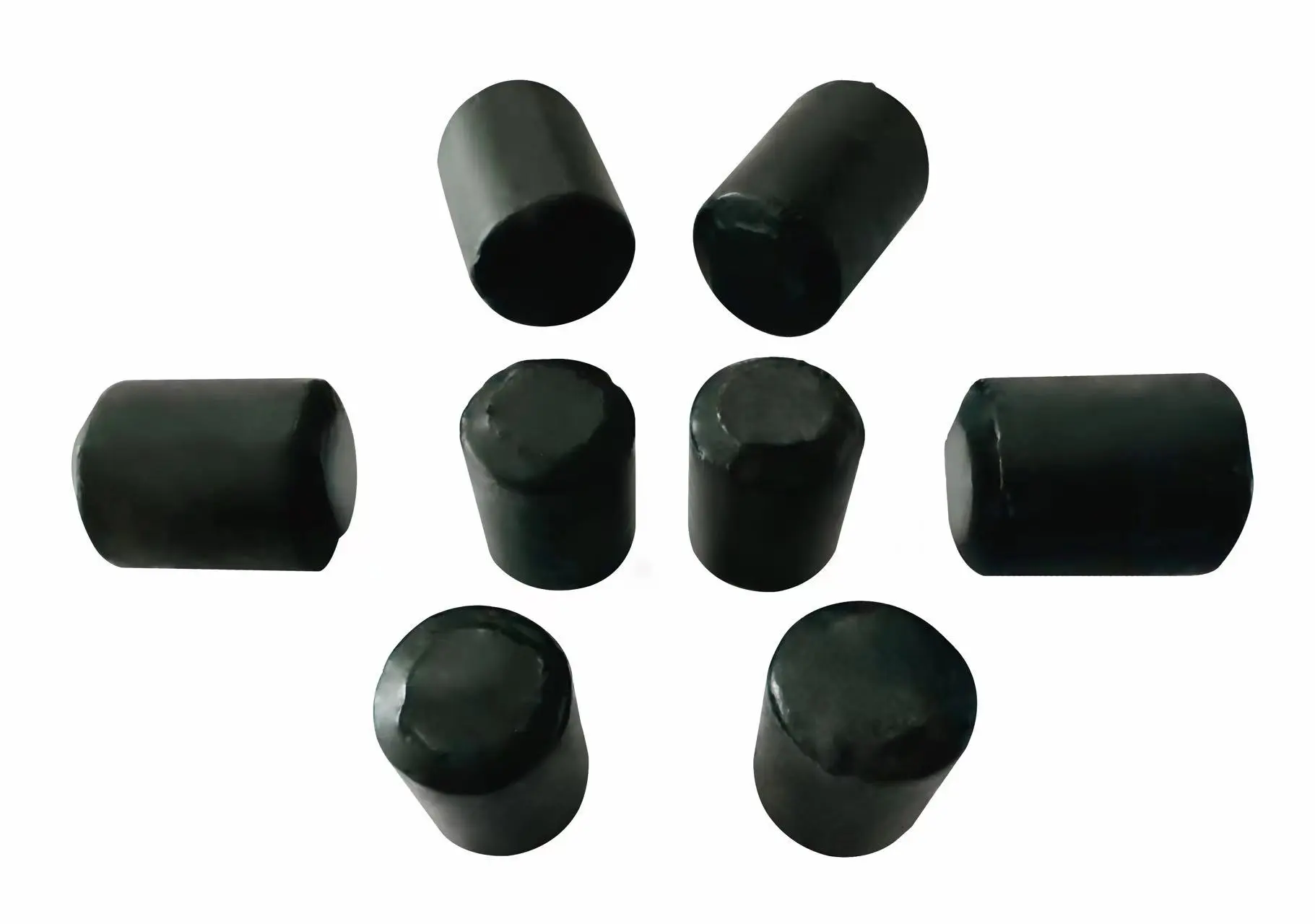
When considering the composition of grinding media, two primary methods stand out: casting and forging. Cast grinding media are made by pouring molten metal into molds, while forged grinding media are formed through a controlled deformation process. Each method has its unique characteristics and applications.
Cast Grinding Media: Cast grinding media, including cylpebs, are produced by pouring molten metal into molds of the desired shape and size. This process allows for intricate designs and precise control over the final product's dimensions. Low chromium casting grinding cylpebs, in particular, are known for their uniformity and durability.
Forged Grinding Media: In contrast, forged grinding media are created through a forging process that involves shaping heated metal into the desired form under high pressure. This method results in a denser structure with improved mechanical properties. Forged grinding media are often favored for their high impact resistance and toughness.
Comparison: The choice between cast and forged grinding media depends on various factors such as the specific application, cost considerations, and desired performance characteristics. While cast grinding media offer versatility and cost-effectiveness, forged grinding media excel in demanding environments where high impact resistance is paramount.
Grinding media play a crucial role in the operation of ball mills, which are widely used in industries ranging from mining to cement production. Understanding the composition and properties of grinding media is essential for optimizing mill performance.
Composition: Grinding media in a ball mill typically consist of steel or ceramic balls, cylpebs, or rods. These media are responsible for reducing the particle size of the material being ground through a combination of impact and attrition.
Properties: The properties of grinding media, including hardness, density, and composition, influence their effectiveness in the milling process. For example, high chromium grinding media are renowned for their wear resistance, making them suitable for abrasive materials, while low chromium casting grinding cylpebs offer a balance of hardness and toughness.
Function: During operation, the grinding media are subjected to forces generated by the rotating mill shell and the material being ground. As the mill rotates, the grinding media cascade and tumble onto the material, effectively breaking it down into smaller particles. This process is crucial for achieving the desired fineness of the final product.
A ball mill is a versatile piece of equipment used for grinding and mixing materials for various industrial applications. From mineral processing to pharmaceuticals, ball mills play a vital role in countless processes by facilitating particle size reduction, mixing, and homogenization.
Particle Size Reduction: One of the primary functions of a ball mill is to reduce the size of particles through mechanical force. By rotating the mill cylinder, the grinding media impact and crush the material, effectively breaking it down into smaller particles. This process is essential for industries that require finely ground materials, such as the production of cement and pigments.
Mixing and Homogenization: In addition to particle size reduction, ball mills are also used for mixing and homogenizing materials. By incorporating various ingredients into the mill along with the grinding media, uniform blends can be achieved. This is particularly crucial in industries such as ceramics and pharmaceuticals, where precise formulations are necessary for consistent product quality.
In conclusion, the advantages of using low chromium casting grinding cylpebs compared to other types are evident across various industrial applications. Understanding the differences between cast and forged grinding media, the role of grinding media in a ball mill, and the functions of a ball mill itself is essential for optimizing grinding processes and achieving desired outcomes.
March 19, 2024
Deployed in a cement clinker grinding mill, these high-chromium cast grinding balls feature stable hardness and low breakage. They help us maintain consistent grinding output and lower long-term consumable costs.
June 24, 2025
Used in a copper-ore wet-grinding ball mill, the grinding balls show durable wear resistance under non-stop 24-hour operation. Stable grinding performance reduces frequent mill inspections for abnormal ball damage.
August 12, 2025
Used in an iron-ore grinding mill, these high-chromium cast grinding balls maintain uniform hardness from batch to batch. They withstand sustained heavy-load impacts well with minimal breakage, and reliable wear performance keeps our throughput steady over long operating cycles.
October 07, 2025
Adopted for a gold-ore grinding mill, these high-chromium cast balls have evenly distributed hardness. They hold up well under complex abrasive conditions, and their consistent wear profile helps us achieve fine, uniform particle size throughout service.
January 15, 2026
Applied in a limestone grinding production line, the cast steel balls perform reliably under fluctuating load conditions. Well-balanced wear characteristics effectively cut down unplanned downtime.