March 19, 2024
Deployed in a cement clinker grinding mill, these high-chromium cast grinding balls feature stable hardness and low breakage. They help us maintain consistent grinding output and lower long-term consumable costs.
Jan 13, 2025
Grinding Balls for Mining, used in ball mills to reduce ore size and aid mineral extraction. Made from high-chrome or low-chrome alloy steel, they break down large ore chunks into smaller particles, increasing surface area for easier separation of valuable minerals. Their durability allows them to withstand high impact and abrasion, maintaining effectiveness over time. This grinding action liberates valuable minerals from gangue, enhancing the efficiency of mineral processing and boosting the overall productivity of mining operations.
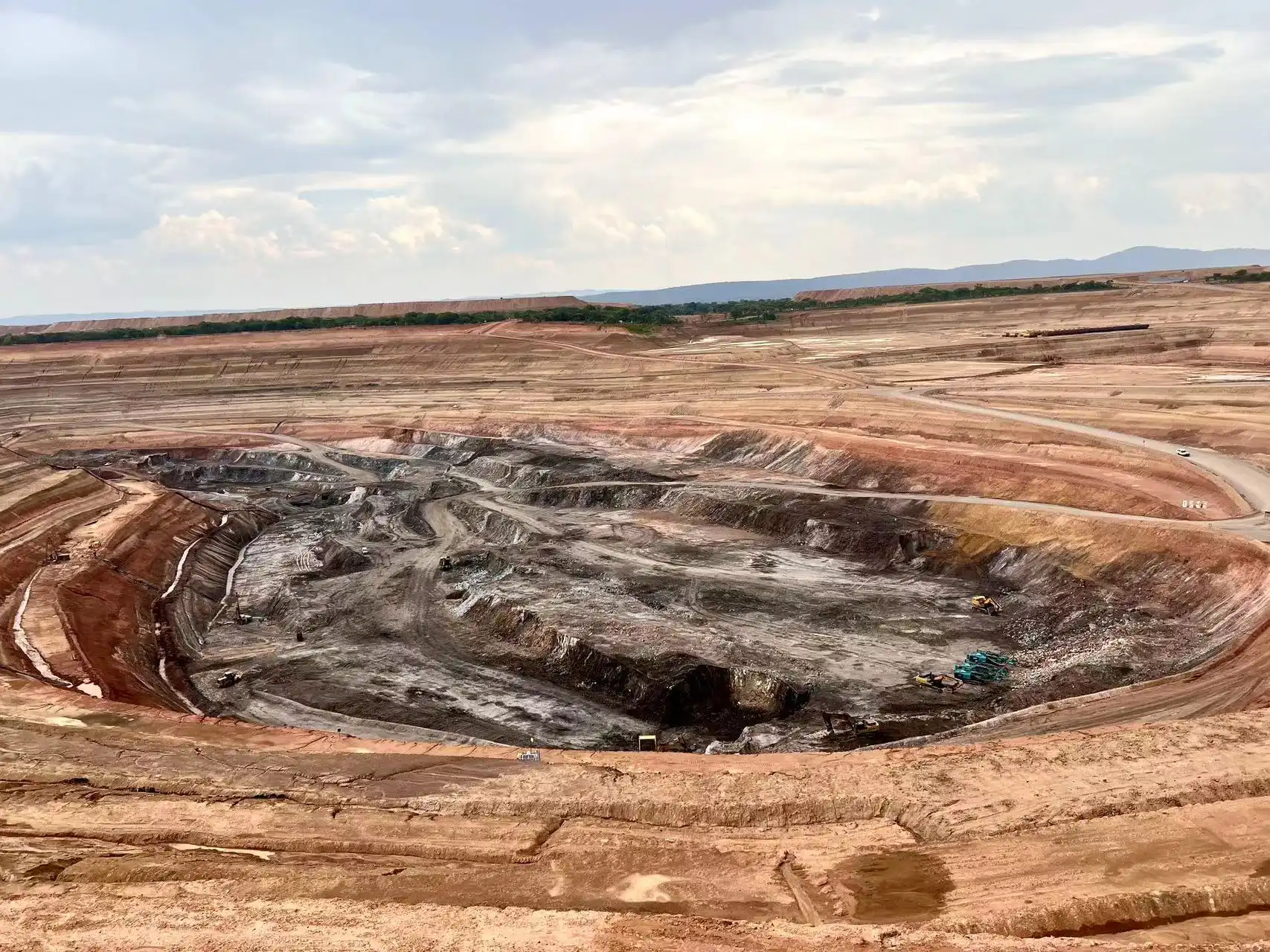
High-chrome grinding balls are a popular choice in the mining industry due to their exceptional hardness and wear resistance. These balls typically contain between 15% to 30% chromium content, which contributes to their superior durability in harsh grinding environments. The high chromium content forms a protective layer on the surface of the ball, enhancing its resistance to corrosion and abrasion. This makes high-chrome grinding balls particularly suitable for processing highly abrasive ores and minerals. The benefits of using high-chrome grinding balls in mining include:
Low-chrome Grinding Balls for Mining, containing less than 3% chromium, strike a balance between hardness and impact resistance, making them ideal for various mining applications. Although not as wear-resistant as high-chrome balls, they perform well in environments where both grinding and impact forces are significant. These balls are particularly effective in applications with moderate ore hardness, offering an excellent combination of durability and cost-effectiveness. Low-chrome grinding balls can reduce operational costs without compromising on performance, making them a popular choice for many mining operations. Advantages of low-chrome grinding balls in mining operations include:
The composition and hardness of grinding balls are key factors that directly impact their performance in mining operations. The material used to manufacture the balls determines crucial properties such as wear resistance, impact strength, and overall lifespan. High-chrome grinding balls, with their superior hardness and wear resistance, are well-suited for grinding highly abrasive ores, providing excellent durability under extreme conditions. In contrast, low-chrome Grinding Balls for Mining offer a balanced combination of hardness and toughness, making them versatile and suitable for a broader range of mining applications, particularly where ore hardness is moderate. Factors to consider in material composition include:
The size and shape consistency of grinding balls are critical to maintaining optimal grinding efficiency in mining operations. Uniform ball size ensures that grinding forces are evenly distributed throughout the mill, preventing hotspots that can lead to uneven wear. Consistent spherical shape enhances the cascading and tumbling action within the mill, promoting more efficient grinding. Any deviations in size or shape can disrupt this process, causing uneven wear patterns, reduced grinding efficiency, and potentially higher energy consumption, ultimately impacting both performance and operational costs. Key aspects of size and shape consistency include:
Optimizing the ball charge in a grinding mill is crucial for achieving maximum efficiency in mineral processing. The ball charge refers to the volume of Grinding Balls for Mining relative to the mill's capacity. A well-optimized ball charge ensures effective grinding while minimizing energy consumption and ball wear. Factors to consider in ball charge optimization include:
Regular monitoring and adjustment of the ball charge can lead to significant improvements in grinding performance and operational costs.
Implementing effective maintenance and replacement strategies for grinding balls is essential for sustaining optimal performance in mining operations. Regular inspection and timely replacement of worn balls prevent a decline in grinding efficiency and maintain consistent product quality. Key aspects of a robust maintenance and replacement strategy include:
By implementing these strategies, mining operations can maximize the lifespan of grinding balls while maintaining high grinding efficiency.
Grinding balls are indispensable tools in the mining industry, playing a critical role in the grinding process, which reduces ore particle size and improves mineral extraction efficiency. The performance of grinding balls depends on several factors, including material composition, hardness, and ball size. By selecting the appropriate type of grinding ball and optimizing their usage based on specific operational conditions, mining companies can significantly boost efficiency, extend equipment life, and reduce costs. For more information on premium-quality grinding balls for mining applications, please reach out to us at sales@da-yang.com or sunny@da-yang.com.
1. Smith, J.R. (2020). "Advanced Grinding Technologies in Mineral Processing." Mining Engineering Journal, 45(3), 112-125.
2. Johnson, A.B. & Lee, K.M. (2019). "Optimization of Ball Mill Performance in Ore Grinding." International Journal of Mineral Processing, 87(2), 223-240.
3. Zhang, L., et al. (2021). "Comparative Study of High-Chrome and Low-Chrome Grinding Media in Mineral Processing." Minerals Engineering, 156, 106876.
4. Brown, T.H. (2018). "Energy Efficiency in Comminution: The Role of Grinding Media." Mining Technology, 127(4), 190-202.
5. Garcia, M.S. & Patel, R.K. (2022). "Advancements in Grinding Ball Materials for Enhanced Wear Resistance." Journal of Materials in Mineral Processing, 33(1), 45-58.
March 19, 2024
Deployed in a cement clinker grinding mill, these high-chromium cast grinding balls feature stable hardness and low breakage. They help us maintain consistent grinding output and lower long-term consumable costs.
June 24, 2025
Used in a copper-ore wet-grinding ball mill, the grinding balls show durable wear resistance under non-stop 24-hour operation. Stable grinding performance reduces frequent mill inspections for abnormal ball damage.
August 12, 2025
Used in an iron-ore grinding mill, these high-chromium cast grinding balls maintain uniform hardness from batch to batch. They withstand sustained heavy-load impacts well with minimal breakage, and reliable wear performance keeps our throughput steady over long operating cycles.
October 07, 2025
Adopted for a gold-ore grinding mill, these high-chromium cast balls have evenly distributed hardness. They hold up well under complex abrasive conditions, and their consistent wear profile helps us achieve fine, uniform particle size throughout service.
January 15, 2026
Applied in a limestone grinding production line, the cast steel balls perform reliably under fluctuating load conditions. Well-balanced wear characteristics effectively cut down unplanned downtime.