How Does High Chrome Grinding Media Ball Enhance Grinding Efficiency?
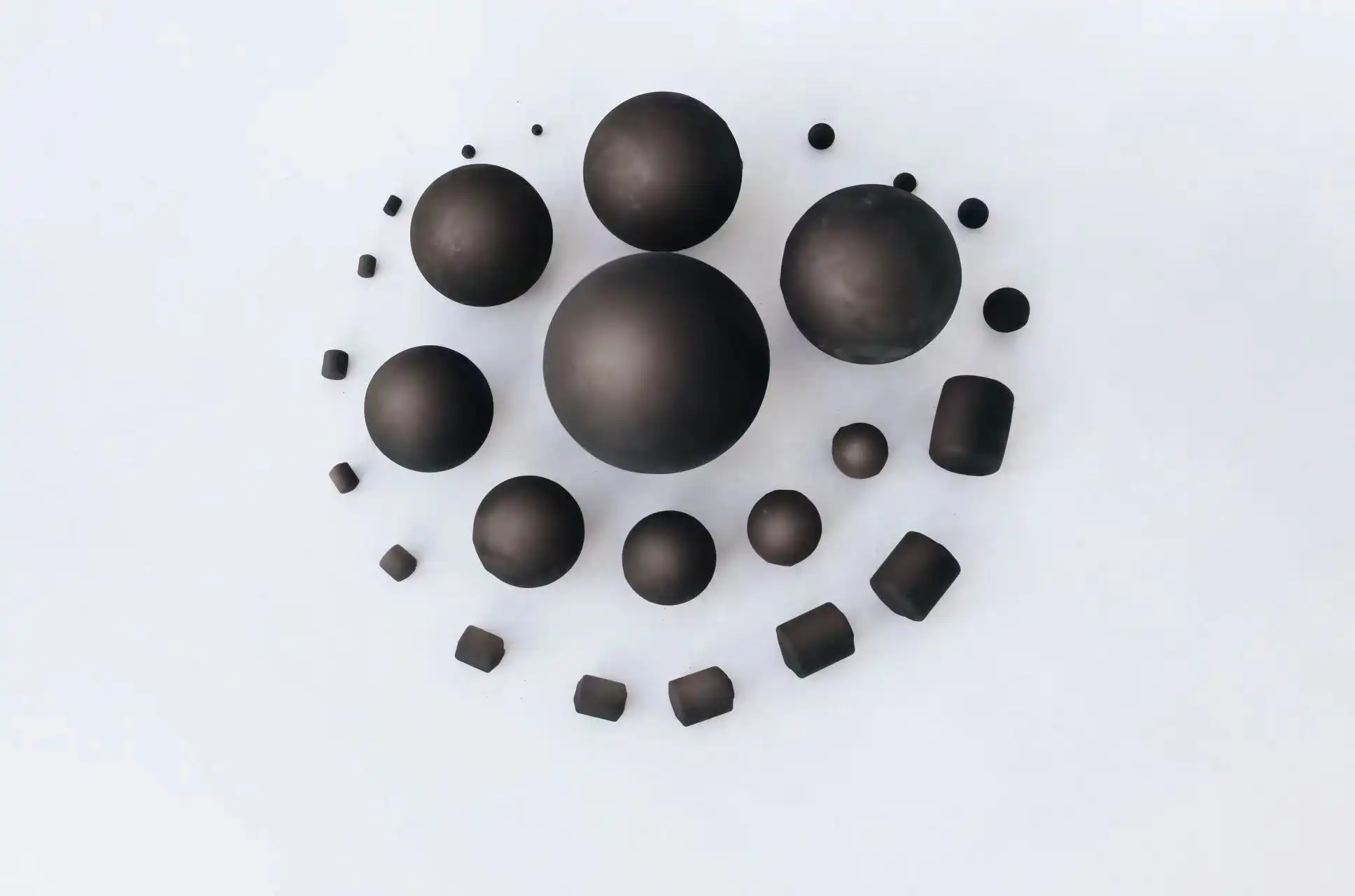
When it comes to industrial grinding, speed is very important. The use of high chrome grinding media balls is one of the best ways to improve the performance of grinding. These special balls have changed the way grinding is done in many fields, such as mining, making cement, and making electricity. Let's look into how these amazing parts make grinding more efficient and why they're now necessary in many modern industry settings.
Top China Suppliers of Chrome Grinding Media
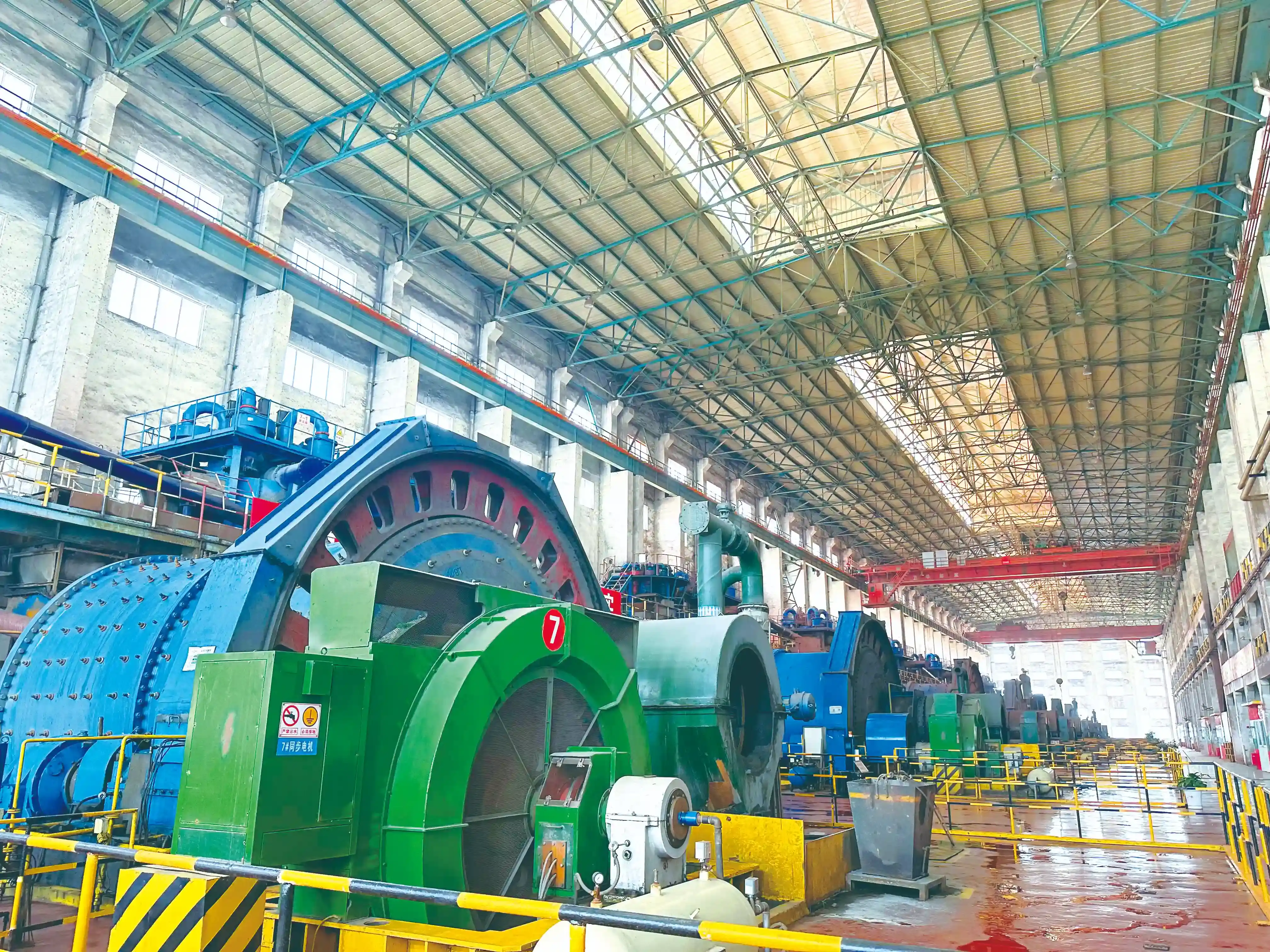
China makes most of the High Chrome Grinding Balls used in industry around the world. They give great quality at low prices. Advanced mechanical methods and strict quality control systems used by top Chinese makers have changed the way grinding media are made. Some of the important industries that these companies work with are mining, making cement, making electricity, and making steel. They have decades of experience making materials that don't wear down easily so that grinding works better and costs less. Chinese chrome grinding media manufacturers have access to a lot of raw materials, a skilled workforce, and new technologies all the time. This makes China the best place for foreign buyers looking for reliable grinding solutions.
OEM High Chrome Ball Production for Global Mills
OEM High Chrome Ball production is the specialized making of grinding media that is made to fit global mills used in a wide range of industries. For cement mills, mines, power plants, and steel production sites, our high chrome ball options offer the best performance and wear protection. We use advanced production techniques and the ability to fully customize our products to turn raw materials into precisely designed grinding media that can work in difficult conditions and keep performing at the same level for long periods of time.
What to Know Before Importing Grinding Balls for Your Business?
When importing grinding balls for your industrial operations, understanding quality specifications, supplier credibility, compliance requirements, and logistics becomes crucial for successful procurement. Whether you're sourcing steel grinding media for cement production, mining operations, or power generation facilities, selecting the right grinding balls supplier impacts both operational efficiency and cost-effectiveness. Knowledge of material grades, hardness requirements, size specifications, and international trade processes ensures smooth import transactions while maintaining optimal grinding performance for your specific applications.
The Benefits of Choosing High Chrome Grinding Balls for Your Mill
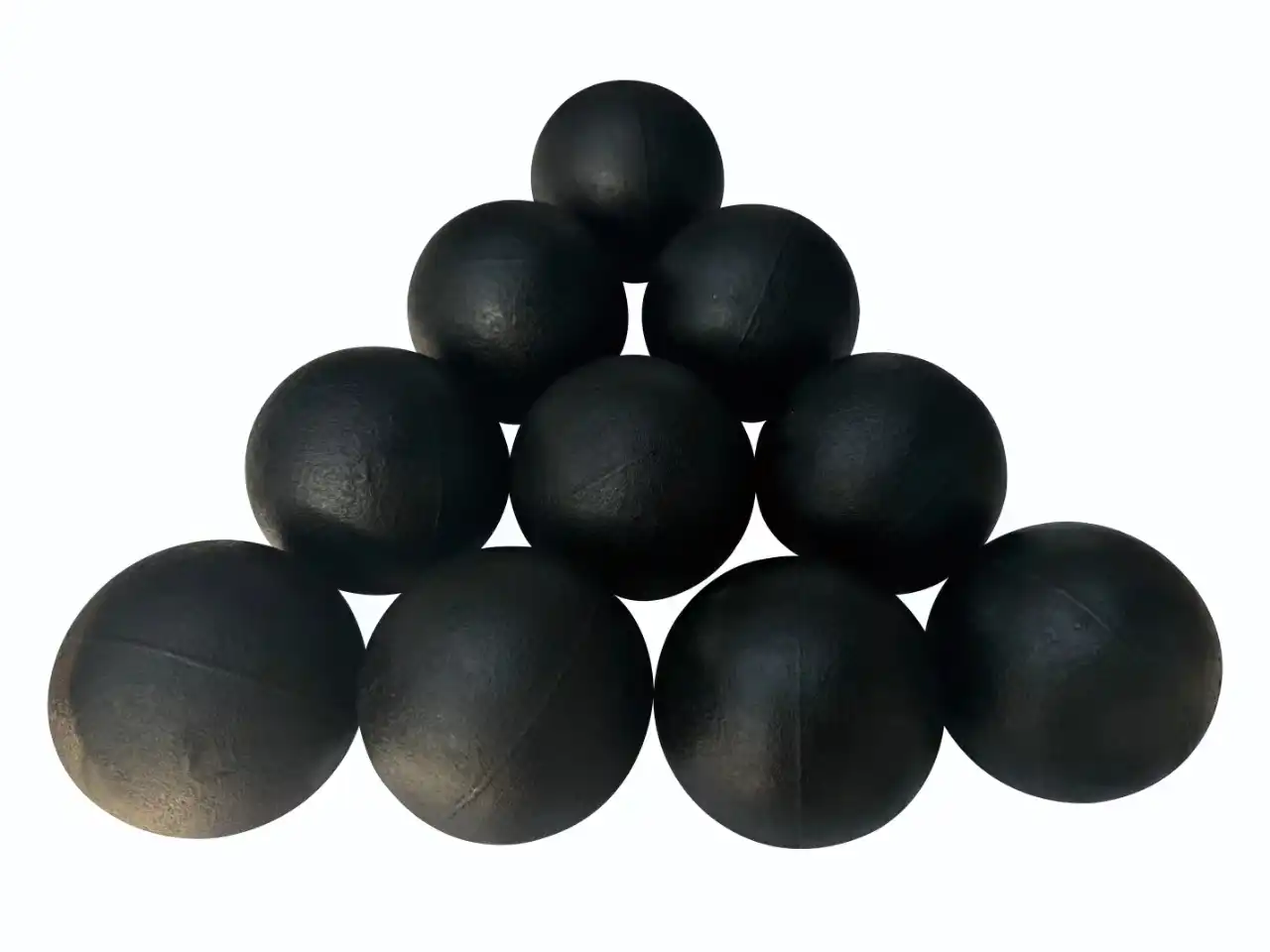
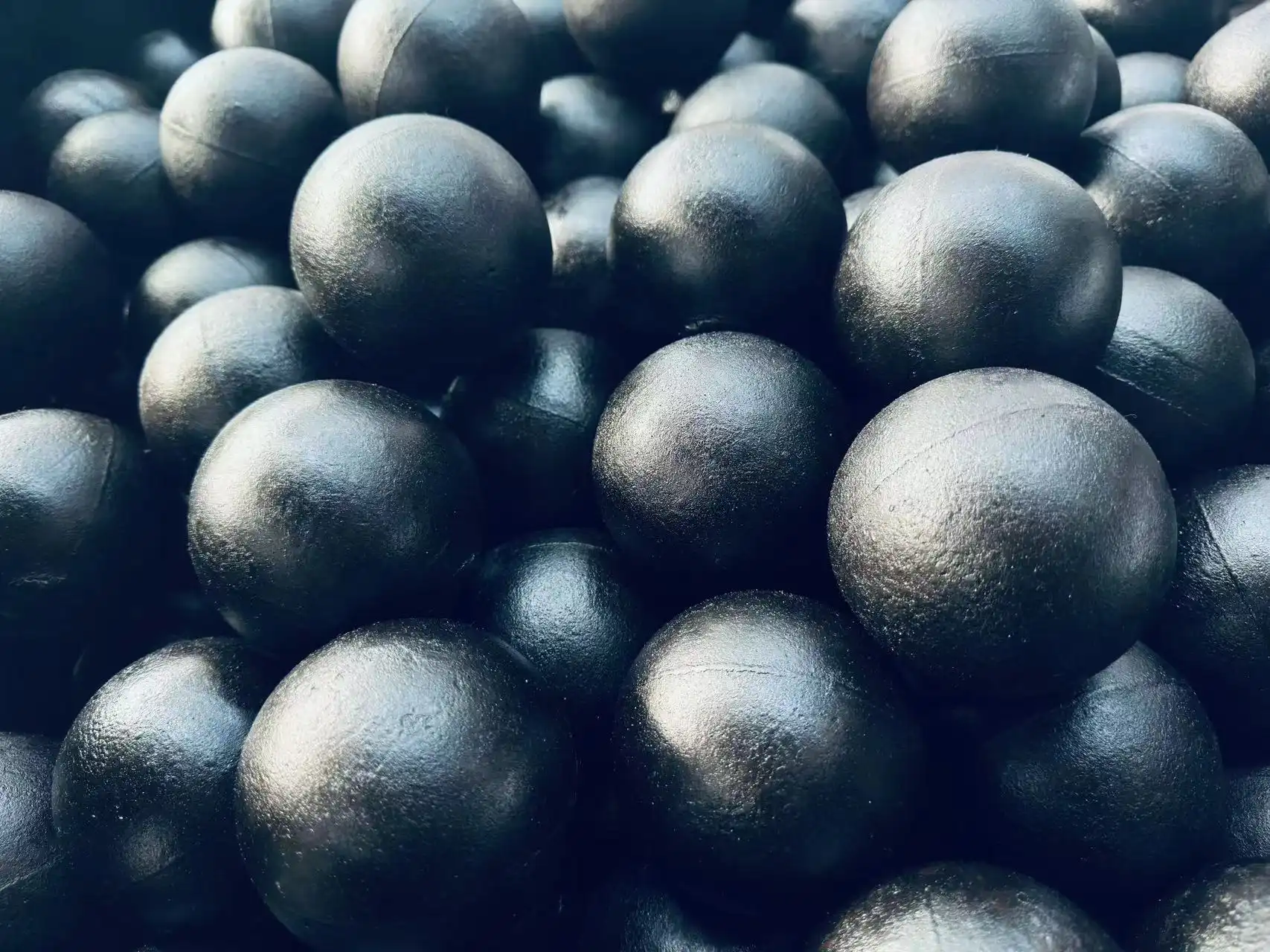
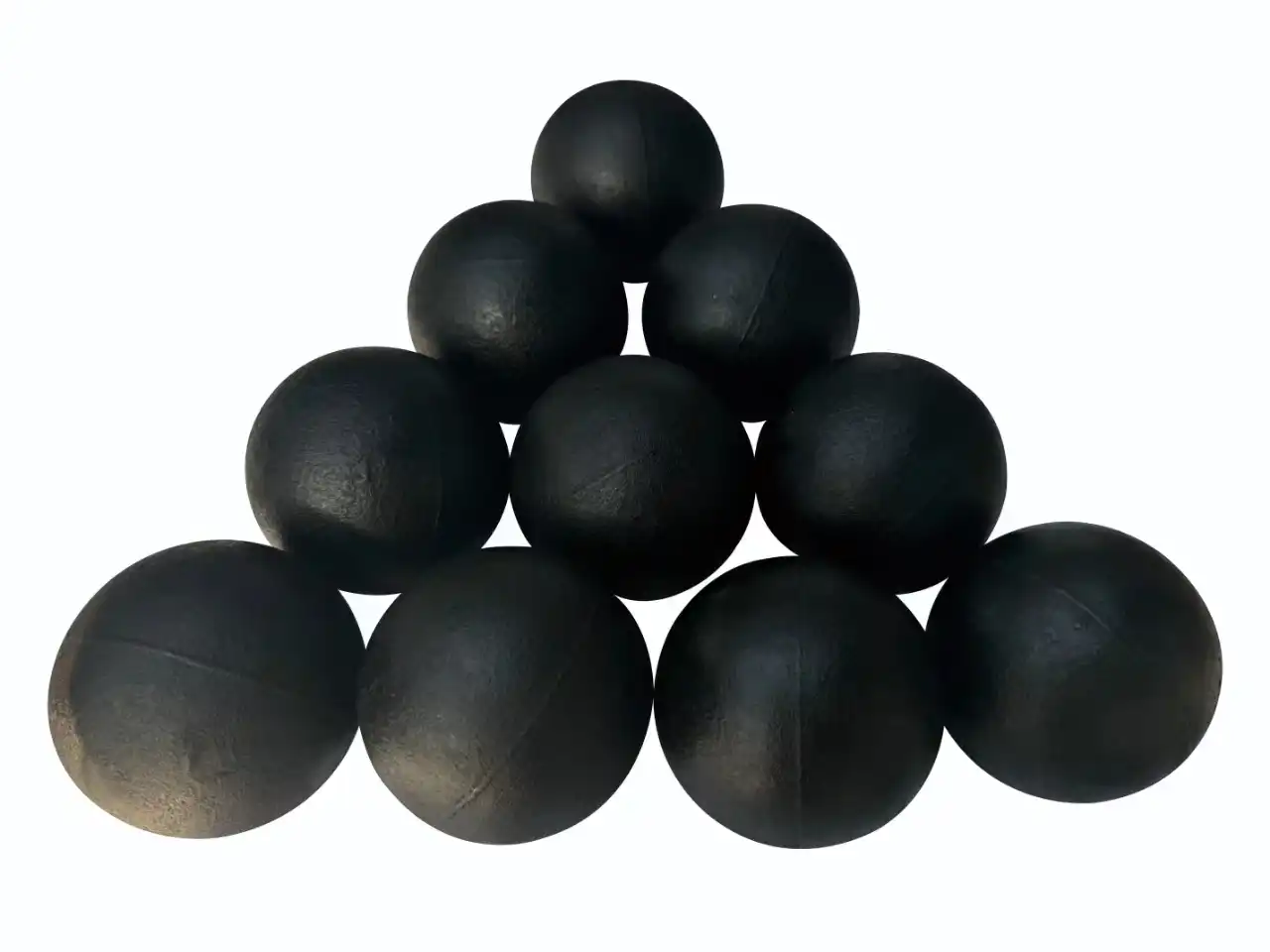
High chrome grinding balls are a milling technology improvement that provide remarkable endurance and performance in industrial applications. These robust, wear-resistant grinding media are perfect for mining, cement, and metallurgical processes. The chromium concentration helps them tolerate abrasive materials and keep form and size over long durations. These grinding balls' outstanding performance reduces downtime, replacement costs, and product quality in industries using them.
How to Choose the Best Grinding Balls for Mining Applications?
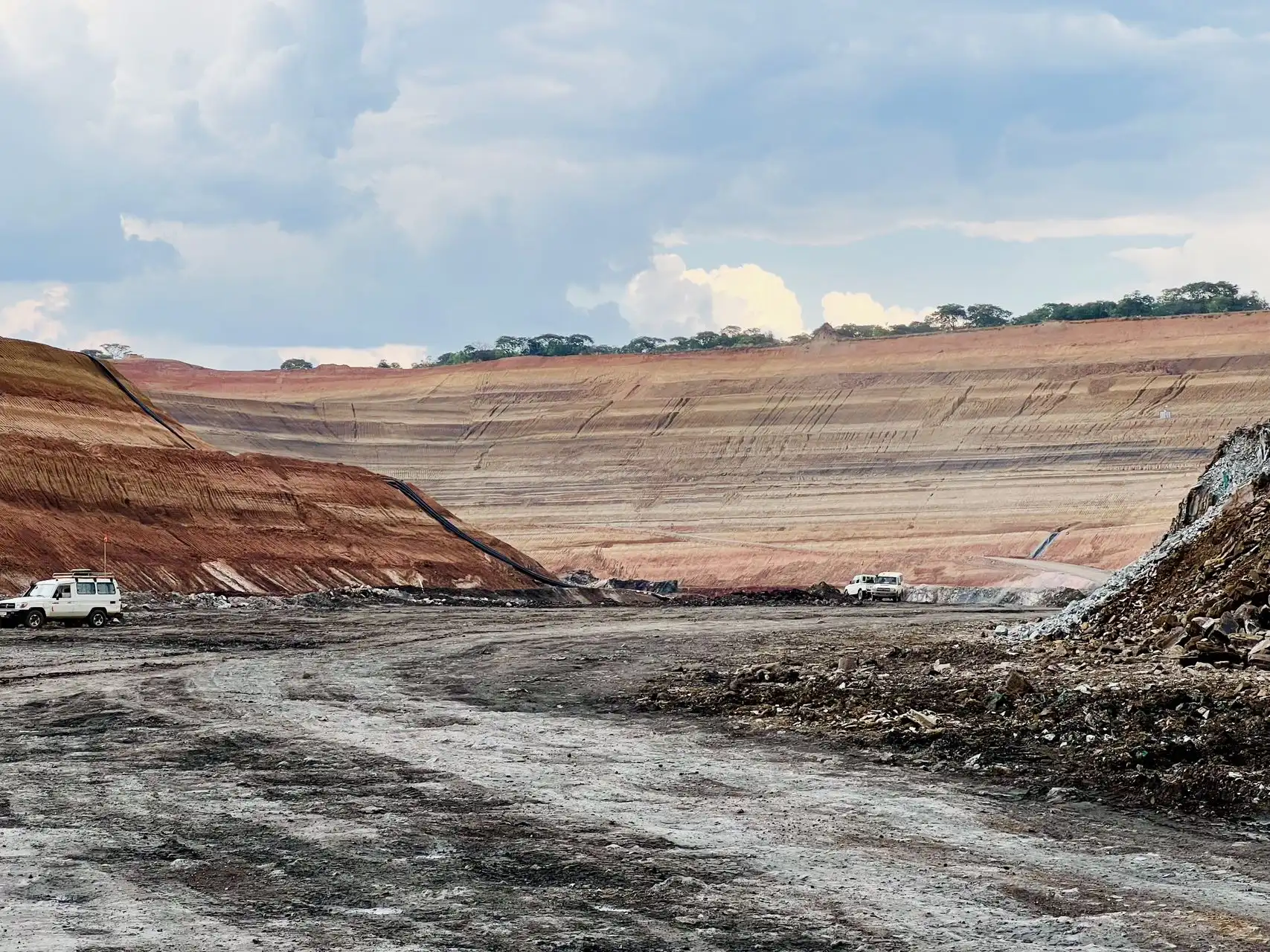
Choosing the right grinding balls mining equipment represents one of the most critical decisions for mill operators across mining, cement, and metallurgical industries. The selection process involves evaluating material composition, hardness, size distribution, and abrasion resistance to maximize grinding efficiency while minimizing operational costs. Optimal grinding media directly impacts your mill's performance, energy consumption, and bottom-line profitability through improved ore processing rates and reduced maintenance requirements.
Comparing Cement Grinding Balls: Cost-Effectiveness & Durability
When evaluating cement grinding balls for industrial applications, the balance between cost-effectiveness and durability becomes crucial for operational success. High-quality cement grinding balls significantly impact milling efficiency, production costs, and overall plant performance. The key lies in understanding material composition, manufacturing processes, and application-specific requirements. Smart procurement decisions consider both initial investment and long-term operational benefits, making this comparison essential for cement manufacturers and mining operations seeking optimal grinding media solutions.
High Chrome Grinding Balls vs. Low Chrome: Which is Better?
When deciding between high chrome grinding balls and low chrome alternatives, the choice depends on your specific operational requirements. High chrome grinding balls typically contain 10-27% chromium and deliver superior wear resistance, making them ideal for demanding applications in mining and metallurgical processing. Low chrome options (2-8% chromium) offer cost-effective solutions for less abrasive environments like certain cement production processes. The optimal selection balances performance requirements with operational economics.
What are the challenges in grinding media recovery from slurries?
Getting grinding media out of slurries is one of the trickiest parts of running an industrial milling process. When separating, ball mill grinding media have to deal with a lot of problems, such as changes in slurry viscosity, particle binding problems, and machine limitations that make recovery much less efficient. These issues have a direct effect on mill performance, shutdown plans, and running costs in the mining, cement, and industrial industries. When engineers and procurement managers understand these repair issues, they can come up with focused solutions that keep grinding performance at its best while minimizing media losses.
How does grinding media contribute to thermal load within the mill?
The grinding media in ball mills add to the heat load inside the mills by rubbing against each other and making mechanical impacts. Kinetic energy is turned into heat energy when ball mill grinding media hits materials and mill walls. This raises the temperature inside the mill. The type of material, size, and density of the grinding media have a direct effect on how fast heat is produced. Steel media usually creates more thermal load because it is hit harder, while ceramic media is better at resisting heat. Knowing about these temperature dynamics can help you run your mill more efficiently and make your tools last longer.
What is the relationship between grinding media size and critical mill speed?
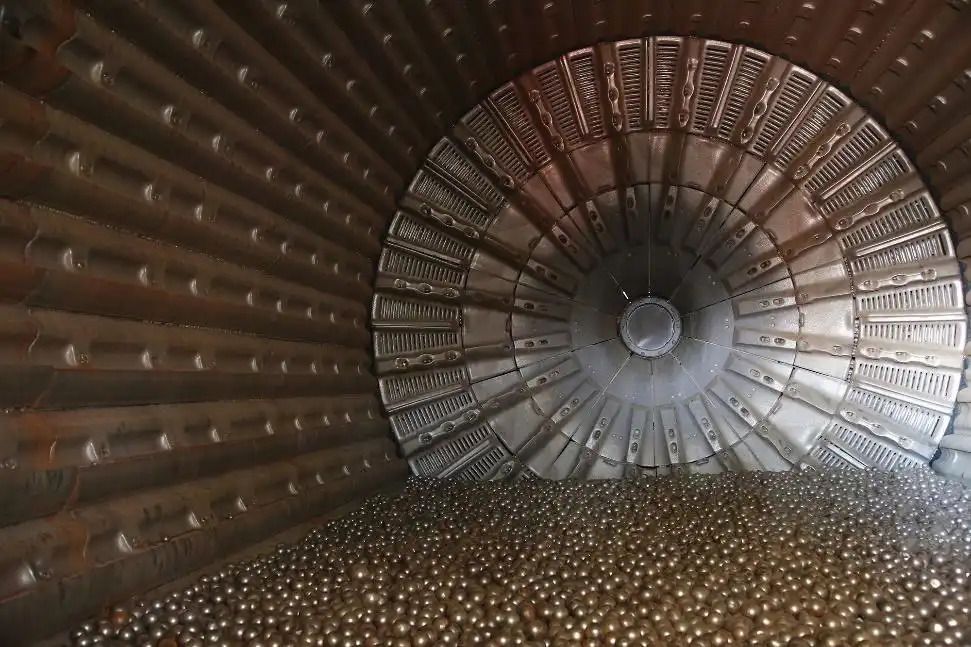
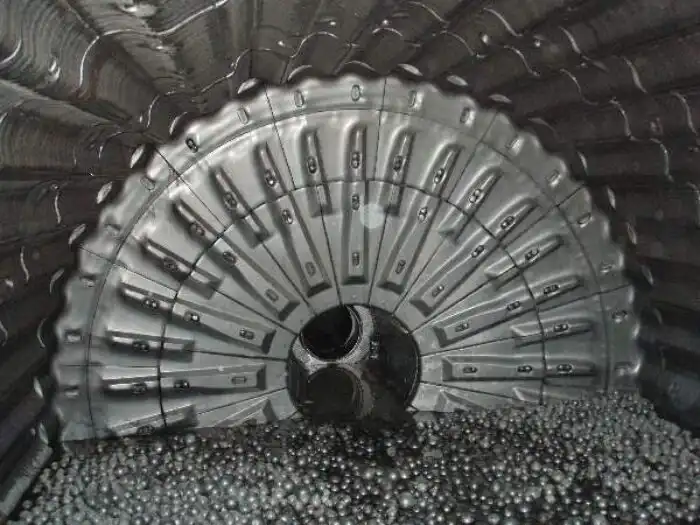
The connection between the size of the grinding media and the vital mill speed is a key part of how well milling works. The success of ball mill grinding media rests on getting the right amount of centrifugal force so that the media falls instead of spinning against the mill walls. Critical speed is the speed at which the grinding balls start to stick to the mill bed because of centrifugal force. For proper spiraling action, larger grinding media needs slower operating speeds, while smaller media can work well at faster speeds. Engineers can improve particle size reduction, energy use, and total grinding efficiency in cement, mining, and industrial processes by understanding this connection.
Top 5 Cement Grinding Balls for Long Life
Picking the right cement grinding ball options can have a huge effect on your bottom line when it comes to making your cement production as efficient as possible. Higher-chrome cast iron balls, forged steel grinding media, ceramic grinding balls, alloy steel balls, and special wear-resistant cast balls are the five best cement grinding balls in terms of how long they last. There is better grinding performance in cement making uses with these grinding media options. They also have longer service lives and lower upkeep costs.