Home > knowledges

knowledges

pages

Knowledge

Sourcing Grinding Media from International Markets

Sourcing high-quality grinding media from international markets requires strategic planning and thorough understanding of technical specifications. The grinding ball market has evolved significantly, with China emerging as a dominant supplier offering competitive pricing and advanced manufacturing capabilities. This comprehensive guide provides step-by-step insights for mining companies, cement manufacturers, steel producers, and other industrial sectors seeking reliable grinding media suppliers. Understanding the procurement process, quality standards, and compliance requirements enables businesses to establish successful partnerships while optimizing operational efficiency and cost-effectiveness.

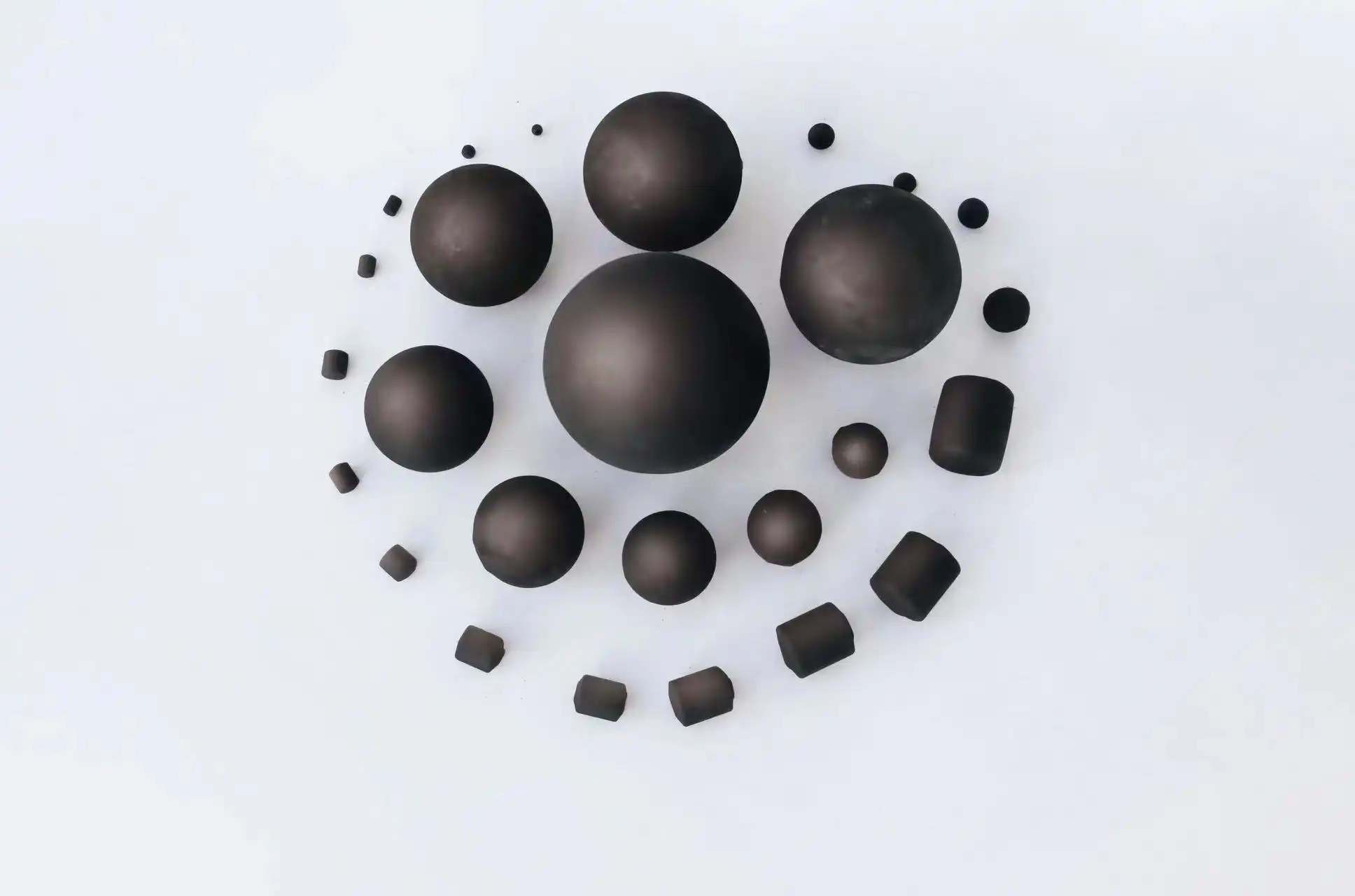
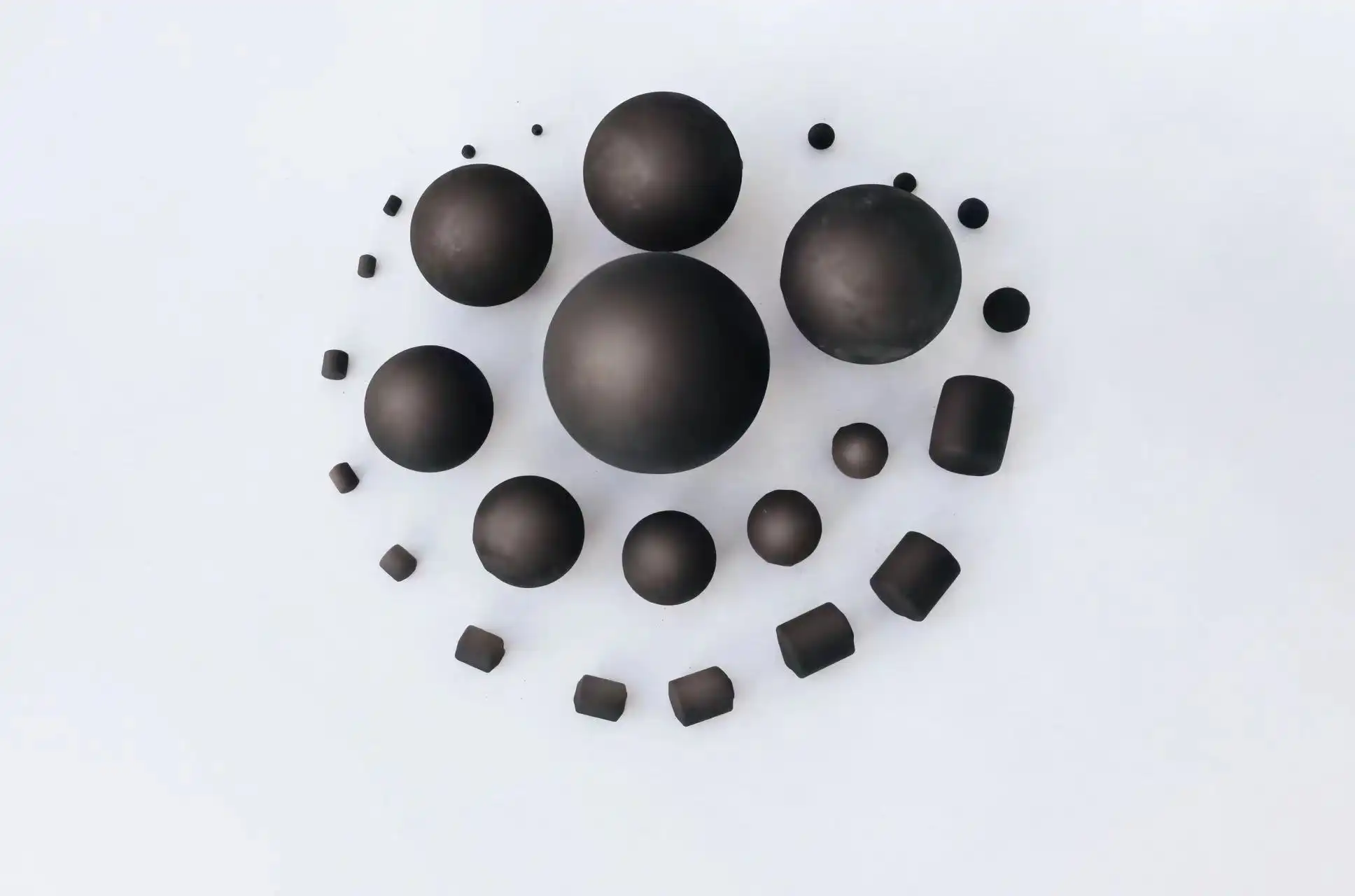
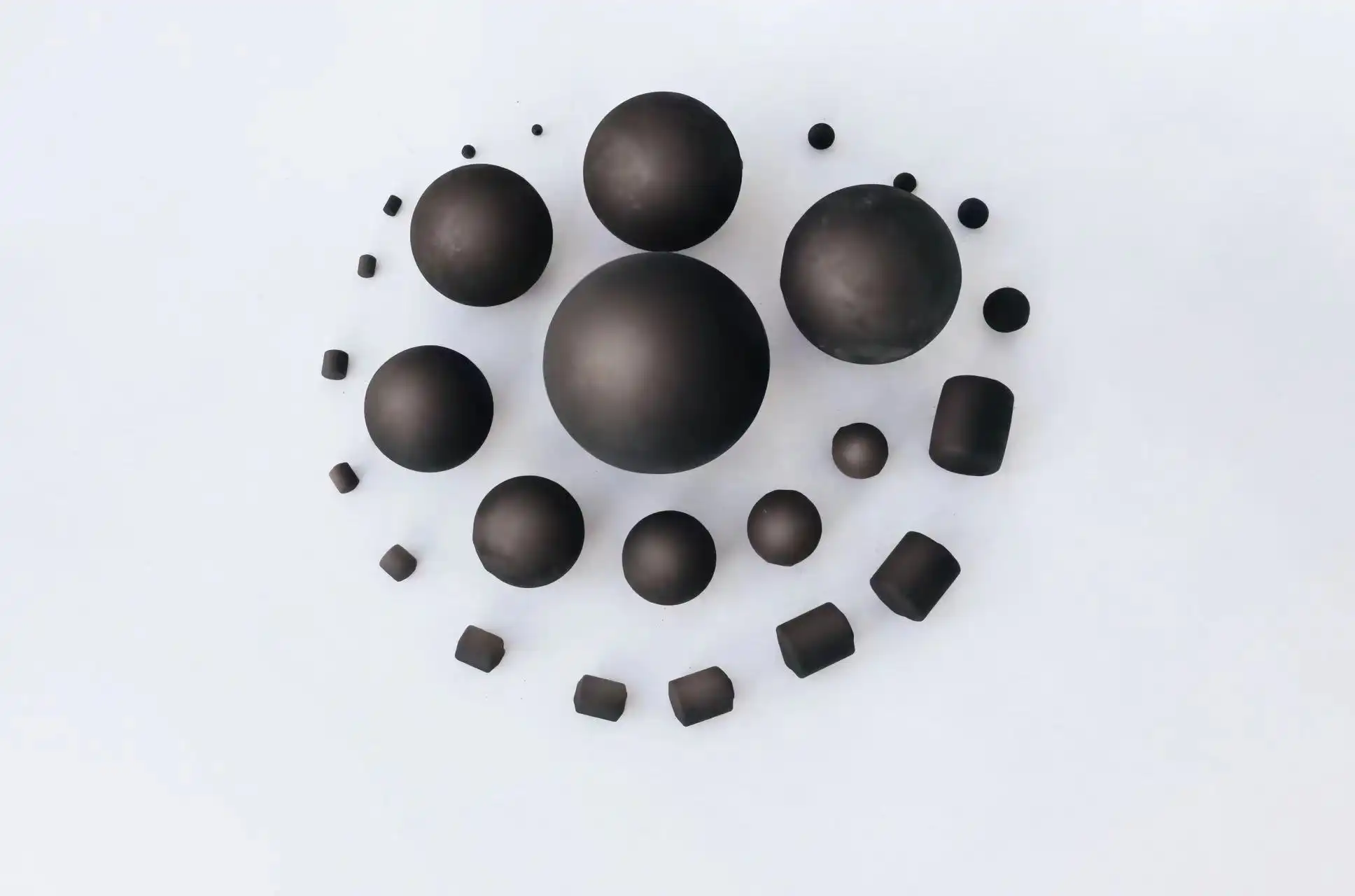
Compare Cylpebs Price vs. Balls for Savings

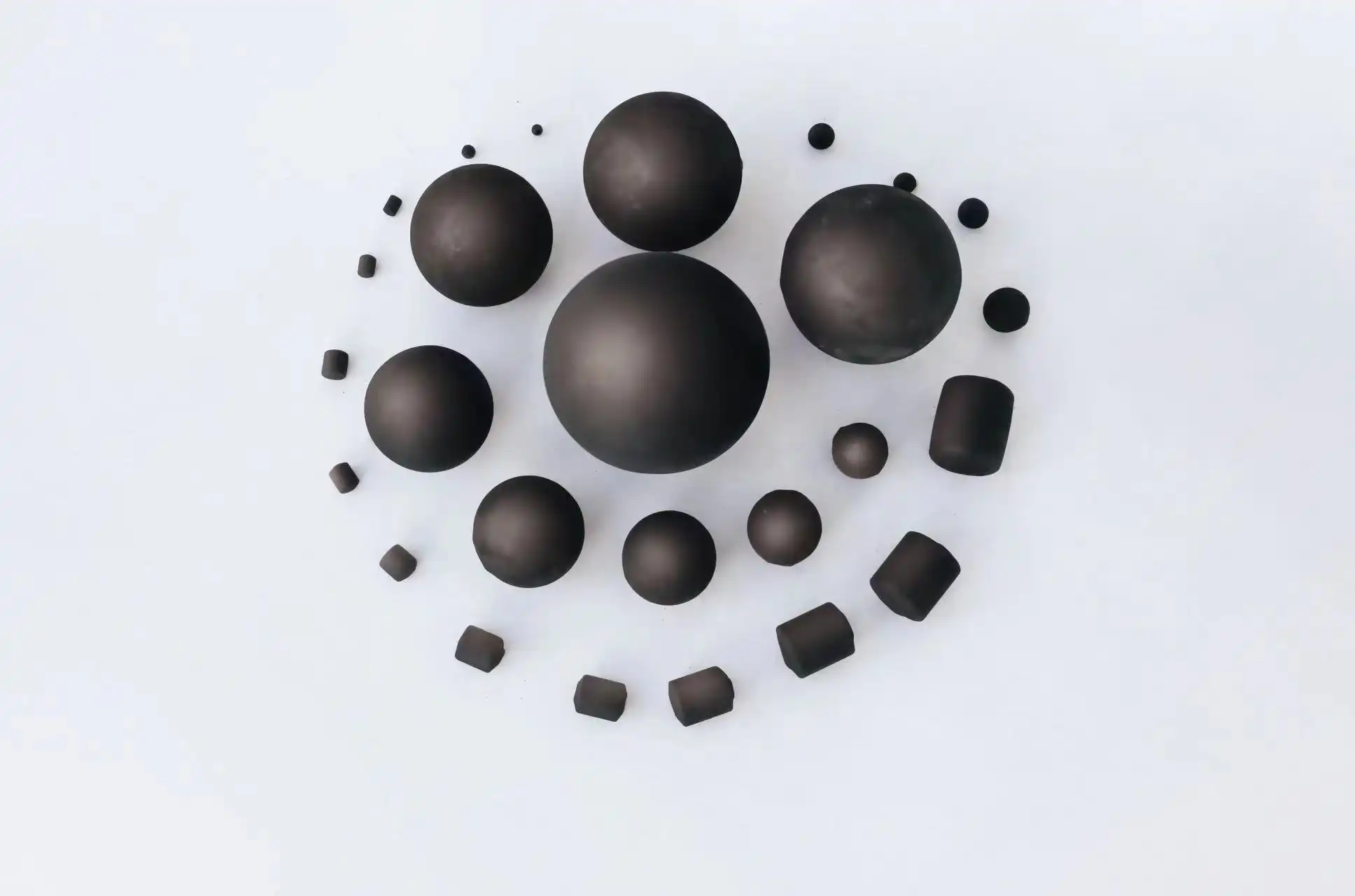
When comparing cylpebs grinding media to traditional steel balls, cost savings become evident through reduced energy consumption, improved grinding efficiency, and extended operational lifespan. Cylpebs typically deliver 15-20% better performance per ton processed while maintaining comparable initial investment costs. Their cylindrical design maximizes surface contact area, leading to finer particle size distribution and reduced specific energy requirements. Understanding global pricing dynamics helps industrial buyers optimize procurement strategies and achieve substantial operational savings in mining, cement, and chemical processing applications.

Best Grades of High Chrome Balls for Performance

When selecting the optimal high chrome ball for your industrial operations, understanding different grades and their performance characteristics becomes crucial for achieving maximum efficiency and cost-effectiveness. High chrome grinding balls offer superior wear resistance and durability compared to traditional steel alternatives, making them essential components for mining companies, cement manufacturers, power plants, and steel producers worldwide. The best performing high chrome steel balls typically contain chromium content ranging from 10% to 30%, with specific alloy compositions engineered to withstand extreme grinding conditions while maintaining optimal hardness levels.

High Chrome Ball Sourcing Tips for Importers

Sourcing high chrome balls requires strategic planning and careful vendor evaluation to ensure operational excellence in your industrial processes. Successful importers understand that these critical wear-resistant components directly impact mill performance, production costs, and equipment longevity. The key lies in establishing reliable supply chains, verifying quality standards, and building partnerships with manufacturers who deliver consistent chromium content and superior hardness properties. Smart procurement decisions begin with understanding your specific application requirements and matching them with suppliers who offer proven expertise in high chrome alloy ball production.

Top High Chrome Grinding Ball Producers

When searching for reliable high chrome grinding ball manufacturers, industrial companies face numerous options worldwide. The global grinding media market features established producers who specialize in manufacturing high-quality chrome steel grinding balls for various applications. These industry leaders combine advanced metallurgical expertise with cutting-edge production technologies to deliver superior wear-resistant solutions. Leading manufacturers typically offer chrome content ranging from 10% to 30%, ensuring optimal performance across mining operations, cement production, and power generation facilities. Understanding the capabilities and strengths of top producers helps procurement teams make informed decisions for their grinding media requirements.

Best High Chrome Grinding Balls for Ball Mills

Selecting the optimal high chrome grinding ball for your ball mill operations directly impacts productivity, cost efficiency, and overall grinding performance. After extensive analysis of wear-resistant materials, testing protocols, and performance metrics across mining companies, cement manufacturers, power plants, and steel producers, high chrome grinding balls consistently outperform traditional alternatives. These specialized grinding media deliver superior hardness levels exceeding HRC 58-63, exceptional abrasion resistance, and extended service life that reduces operational downtime while maximizing mineral processing efficiency.

Grinding Ball vs Cylpebs: Which Performs Better?

When evaluating grinding media performance, high chrome grinding balls typically outperform cylpebs in most industrial applications due to their superior impact resistance and proven durability. While cylpebs offer advantages in specific scenarios like SAG mills with their reduced liner wear, grinding balls deliver consistently higher grinding efficiency and longer service life across cement production, mineral processing, and metallurgical operations. The choice ultimately depends on your specific mill configuration, ore characteristics, and operational priorities.

OEM High Chrome Grinding Ball Manufacturing

OEM high chrome grinding ball manufacturing represents a specialized approach to producing wear-resistant grinding media tailored to specific industrial requirements. These high chrome grinding balls feature exceptional durability and optimal performance characteristics designed for demanding applications in mining, cement production, and metallurgical processes. Through advanced manufacturing techniques and customizable specifications, OEM solutions deliver superior value compared to standard grinding media options.

Guide to High Chrome Grinding Balls for Mining

In mining processes, picking the right grinding media is one of the most important choices that must be made. Compared to conventional steel balls, High Chrome Grinding Ball technology provides better wear protection, increased operating life, and improved grinding effectiveness. These special grinding media have more chromium in them, which makes them much harder and less likely to wear down. More and more, mining companies all over the world are relying on these high-tech grinding solutions to improve the efficiency of their material handling processes and lower their overall costs.

High Chrome Cast Ball vs Low Chrome Ball: Comparison

When choosing industrial grinding media, the difference between High Chrome Ball cast balls and low chrome options has a big impact on how well the machine works and how much it costs. Different types of High Chrome Ball usually have a lot of chromium in them, which makes them more resistant to wear and last longer than low chrome types that have a lot less chromium. In fields like making cement, digging metals, and making steam power, this difference affects performance because the choice of media has a direct effect on production costs and equipment life.

High Chrome vs Forged Grinding Media: Comparison

Industrial workers have to make a big choice between high chrome grinding balls and cast grinding media, which has a big effect on how efficiently their work gets done. Because they are made of a special metal, high chrome grinding balls are more resistant to wear, while cast grinding media is tougher because it is made by mechanical processing. Both grinding methods are used for different things in mining, making cement, and metallurgy, and their performance changes depending on the mill conditions and the needs of the material being processed.

How to Select High Chrome Grinding Balls for Mills?

Many important things need to be carefully thought through when choosing the right High Chrome Grinding Ball for your mill process. These include the ball's hardness level, chemical makeup, size requirements, and how it will be used. In mines, cement production, power generation, and industrial processes, the choice has a direct effect on how well the equipment grinds, how long it lasts, and how high the costs are. To make the best choice that improves productivity while minimizing replacement frequency and operating downtime, it's important to understand the material's qualities, how resistant it is to wear, and performance measures.

540