Home > knowledges

knowledges

pages

Knowledge

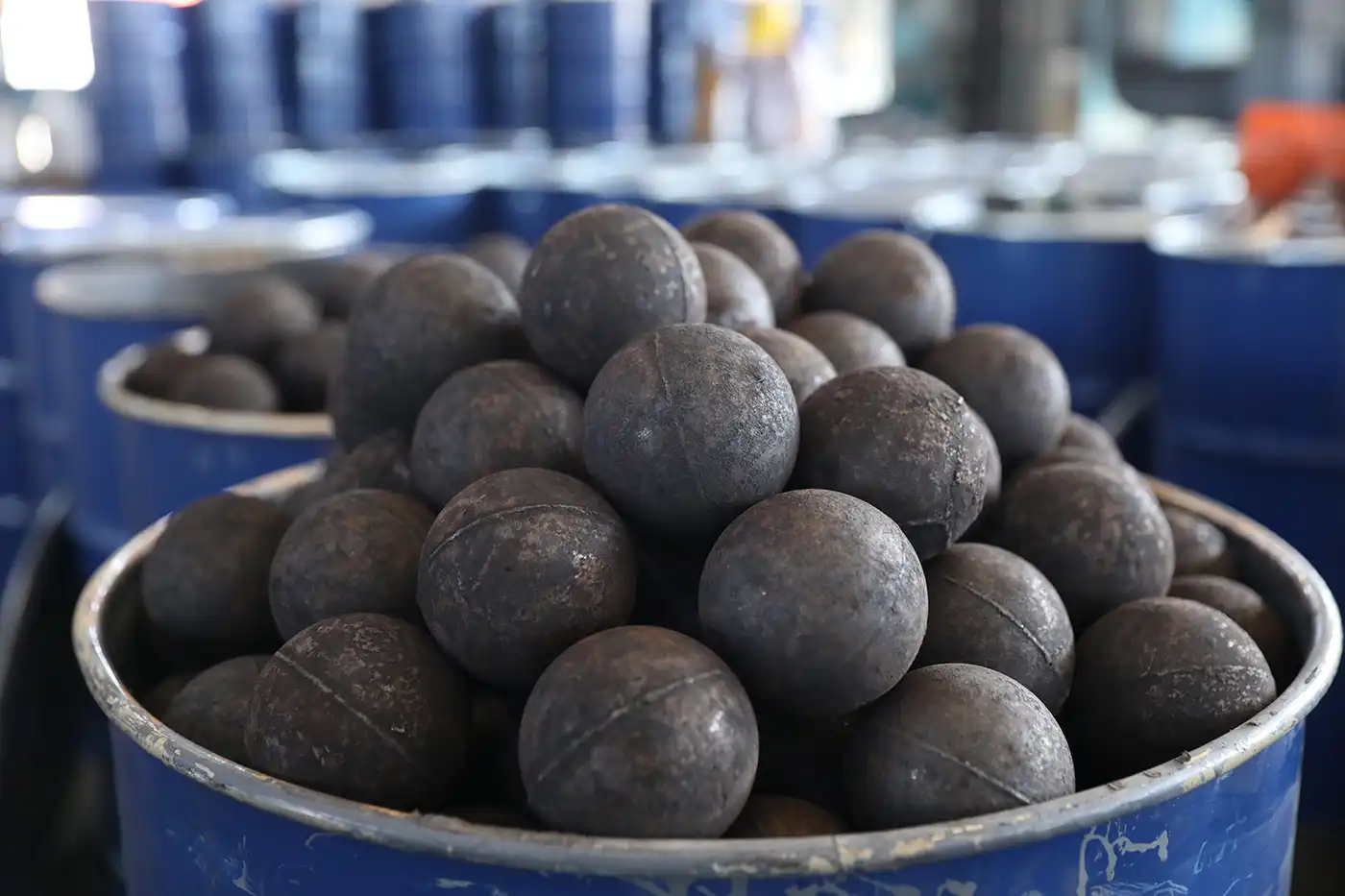
What are the advantages of using low chromium casting grinding cylpebs compared to other types?

Introduction: In the realm of grinding media for industrial applications, the choice between various types can significantly impact efficiency and cost-effectiveness. Among these options, low chromium casting grinding cylpebs stand out for their distinct advantages. In this article, I will delve into the differences between cast and forged grinding media, explore the role of grinding media in a ball mill, and elucidate the functions of a ball mill itself.

Is Your Grinding Process Optimized with Grinding Cylpebs?

Grinding cylpebs are widely employed in the grinding process, but are you leveraging their full potential? In this blog post, we'll delve into the advantages of using the products and explore how they can help you optimize your grinding process.

Are Ceramic Grinding Balls the Solution for Abrasive Materials?

Ceramic grinding balls are progressively being considered as an answer for grinding grating materials. As businesses look for more productive and savvy grinding arrangements, these balls offer a promising other option. However, would they say they are actually a definitive answer for rough materials? We should investigate this question further.

How to Choose Grinding Balls?

Grinding Ball are fundamental parts in different present day cycles, particularly the mining, cement, and metallurgy regions. Crushing and pounding materials into finer particles is their fundamental capability, enhancing manufacturing processes' efficiency and appropriateness. The effectiveness, strength, and cost-effectiveness of your crushing activities can all be significantly affected by selecting the appropriate crushing balls. You will learn how to select the best grinding balls and the most critical factors in this guide.

How does the hardness of grinding balls impact their performance?

Grinding balls play a critical role in various industries where comminution of raw materials is essential, such as mining, cement production, power plants, and more. Their effectiveness hinges significantly on their hardness, which affects their wear resistance, longevity, and ultimately, the efficiency of the milling process.

What are casting grinding balls and how are they made?

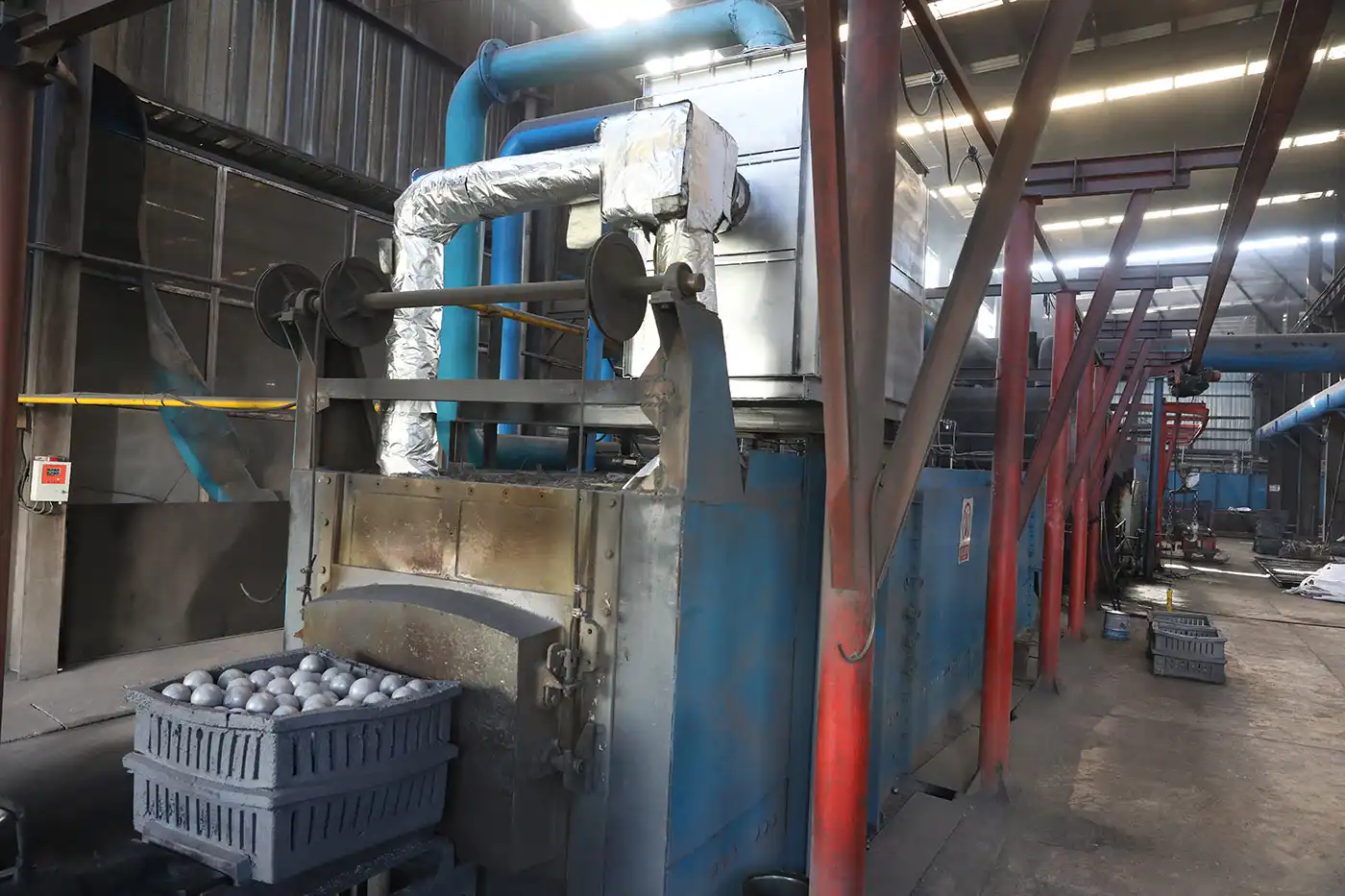
In the world of industrial manufacturing, precision and durability are paramount. One critical component that often goes unnoticed but plays a crucial role in various industries is the casting grinding ball. These small yet mighty spheres are the unsung heroes in mineral processing, cement production, and various other applications where material reduction is essential. Let's dive into the fascinating world of casting grinding balls, exploring their purpose, manufacturing process, and significance in modern industry.

What are the safety considerations when handling grinding balls in mining?

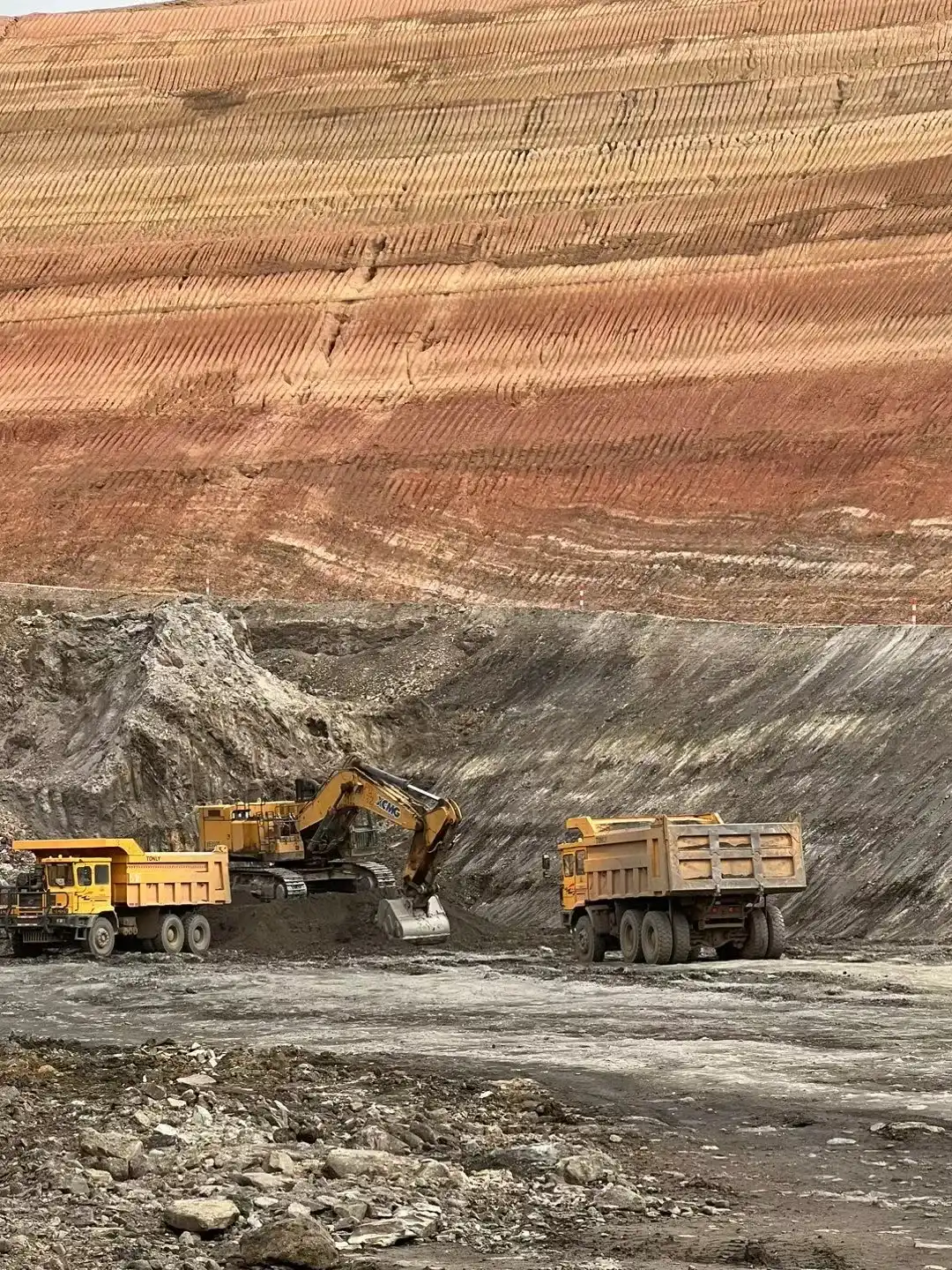
Safety is critical when handling Grinding Balls for Mining in mining operations, as these tools pose significant risks if mishandled. Workers should always wear appropriate personal protective equipment (PPE) such as hard hats, safety glasses, steel-toed boots, and gloves to prevent injury. Proper lifting techniques and mechanical aids should be used to avoid strain. Storage areas must be well-organized, with grinding balls securely contained to prevent hazards. Regular safety training, risk assessments, and equipment inspections are essential for reducing accidents and ensuring a safe working environment in mining operations.

Steel Balls for Ball Mill: Essential Guide

In the realm of industrial grinding, steel balls for ball mills play a pivotal role in enhancing efficiency and productivity. These robust spheres are the unsung heroes of material processing, tirelessly working to reduce particle size and homogenize various substances. Whether you're in the mining, cement, or power generation sector, understanding the nuances of steel grinding media is crucial for optimizing your operations.

Grinding Media in Ball Mill: Types and Benefits

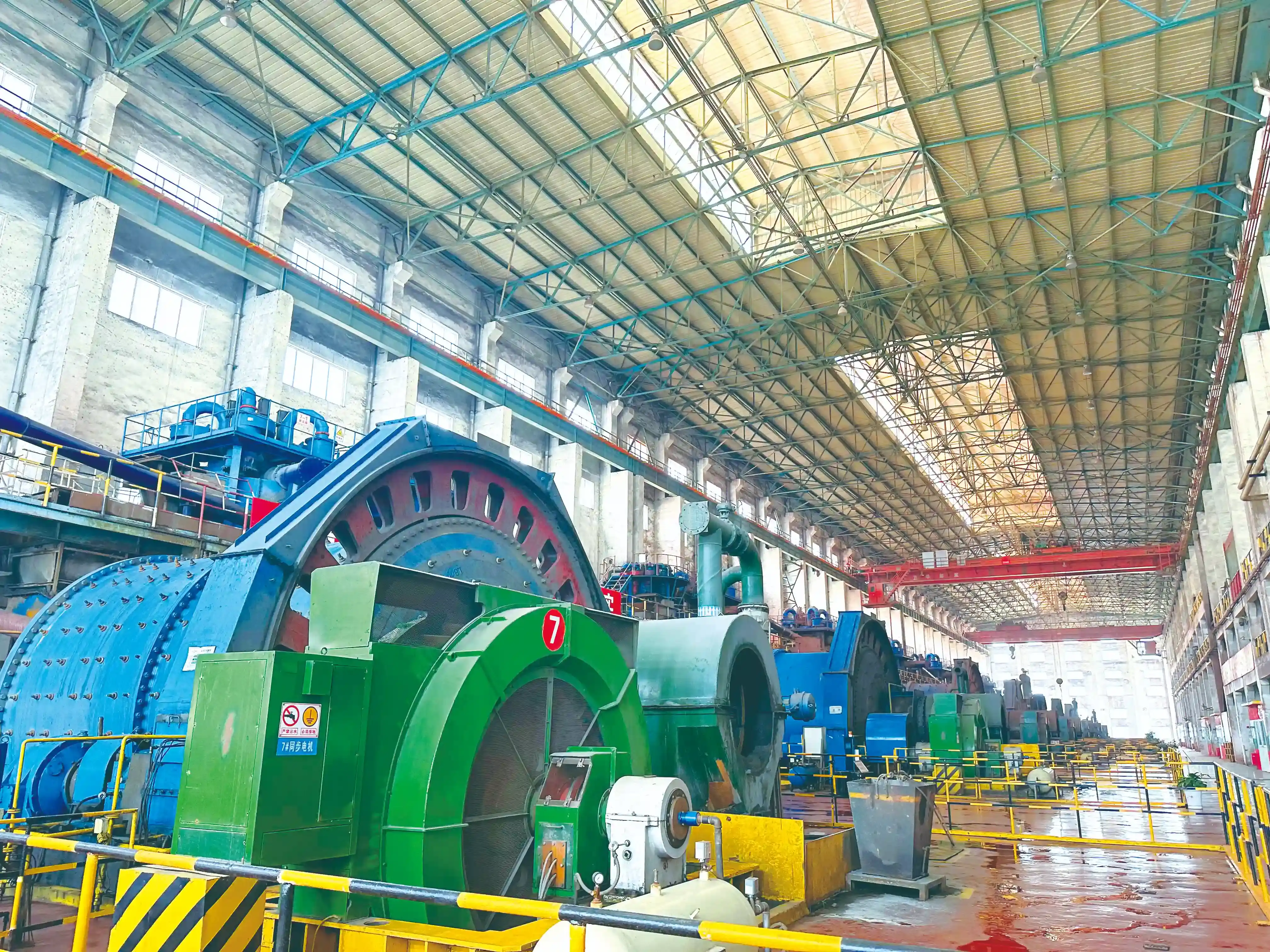
In the world of industrial grinding and milling, the choice of grinding media in ball mill plays a crucial role in determining the efficiency and effectiveness of the process. Ball mills, widely used across various industries, rely heavily on the quality and characteristics of their grinding media. This article delves into the types and benefits of grinding media for ball mills, providing valuable insights for professionals in industries such as mining, cement manufacturing, and metallurgy.

Why is media shape important for fine particle size?

In the world of particle size reduction, the shape of ball mill media plays a crucial role in achieving desired results. Whether you're working in the mining industry, cement production, or nanomaterial manufacturing, understanding the impact of media shape on fine particle size can significantly enhance your grinding process efficiency. This article delves into the intricacies of media shape and its influence on particle size reduction, offering valuable insights for professionals seeking to optimize their grinding operations.

The Role of Cast Iron Liners in Ball Mill Performance

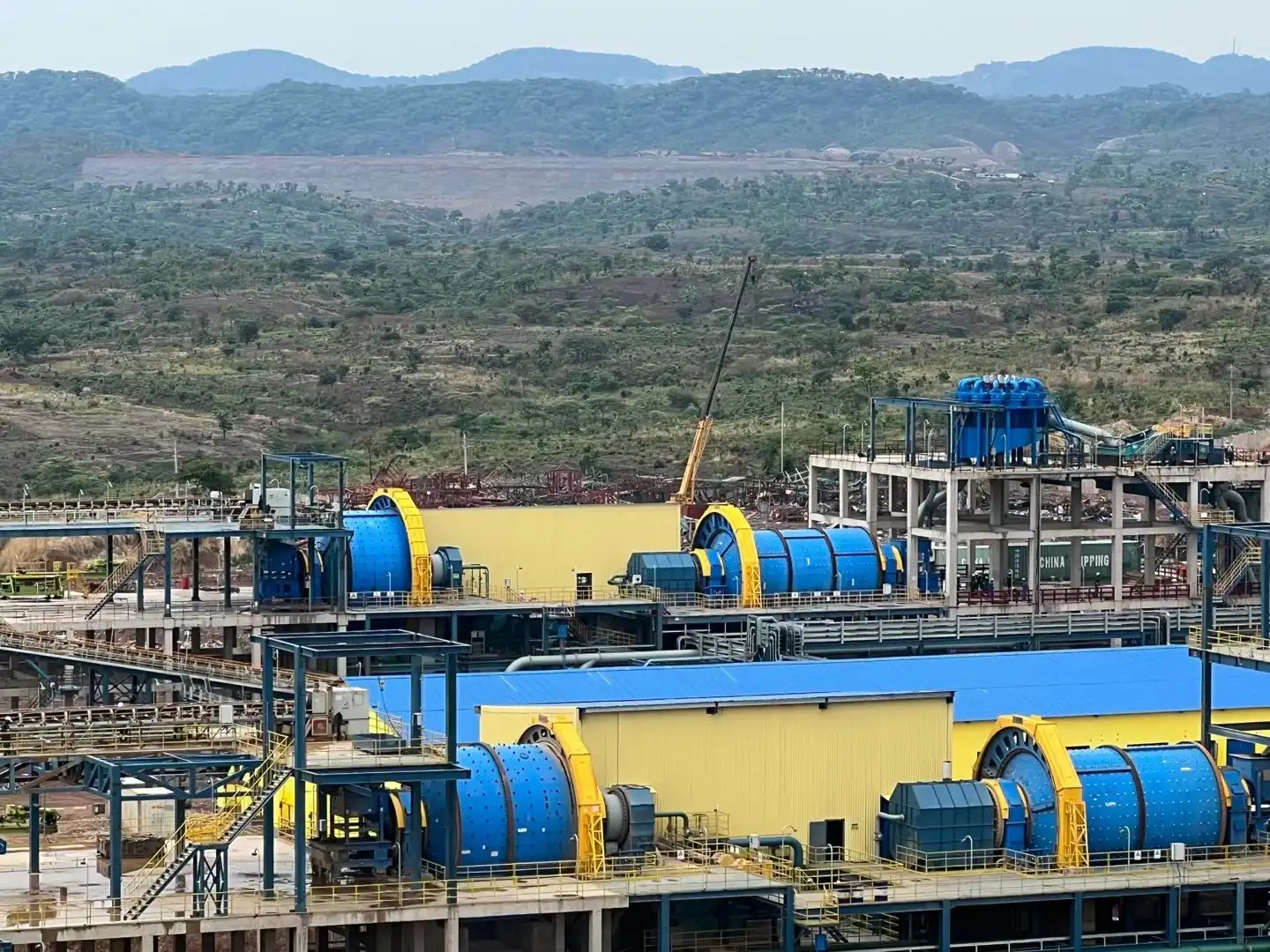
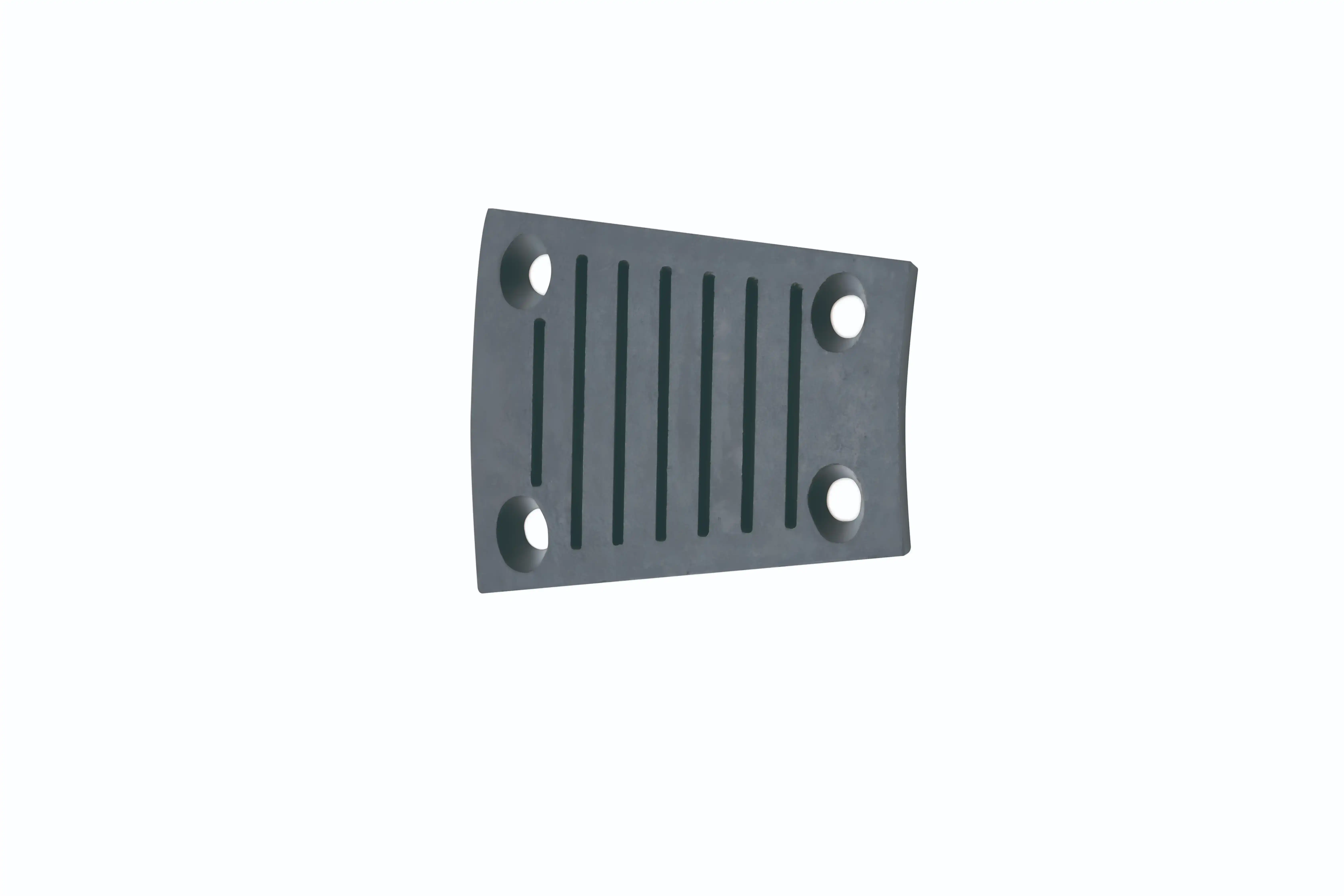
Ball mills are integral to the operation of several industries, including mining, cement manufacturing, and power generation. These mills are responsible for grinding raw materials into finer particles, which is a critical step in the production process. At the core of ball mills are mill liners, essential components that help protect the mill shell and enhance the grinding process. Among the various types of liners available, cast iron mill liners have gained significant popularity due to their robustness, resistance to wear, and ability to withstand high-impact environments. Cast iron liners not only improve the efficiency of the grinding process but also contribute to increased productivity by reducing downtime caused by maintenance and wear. In this guide, we will explore the benefits of cast iron mill liners, how they impact mill performance, and why they are a preferred choice for industries requiring reliable and long-lasting grinding solutions.

Can media be effectively recycled for re-use in mills?

The feasibility of recycling grinding media for further mill usage is an issue that is gaining prominence in the realm of industrial milling. Innovative strategies to extend the life of milling materials are being investigated by firms in an effort to meet the growing demand for sustainable and cost-effective manufacturing processes. Examining the practicality, effects, and financial aspects of ball mill media recycling, this essay explores the complexities of this process.

495