March 19, 2024
Deployed in a cement clinker grinding mill, these high-chromium cast grinding balls feature stable hardness and low breakage. They help us maintain consistent grinding output and lower long-term consumable costs.
Dec 2, 2025
New technologies and materials are pushing the limits of what is possible in the world of grinding media, making it change very quickly. As different businesses need more from their grinding processes, companies like NINGHU are on the cutting edge of new ideas and are coming up with advanced ways to meet these needs. This piece will talk about the cutting-edge changes that are making the future of the grinding media technology possible.
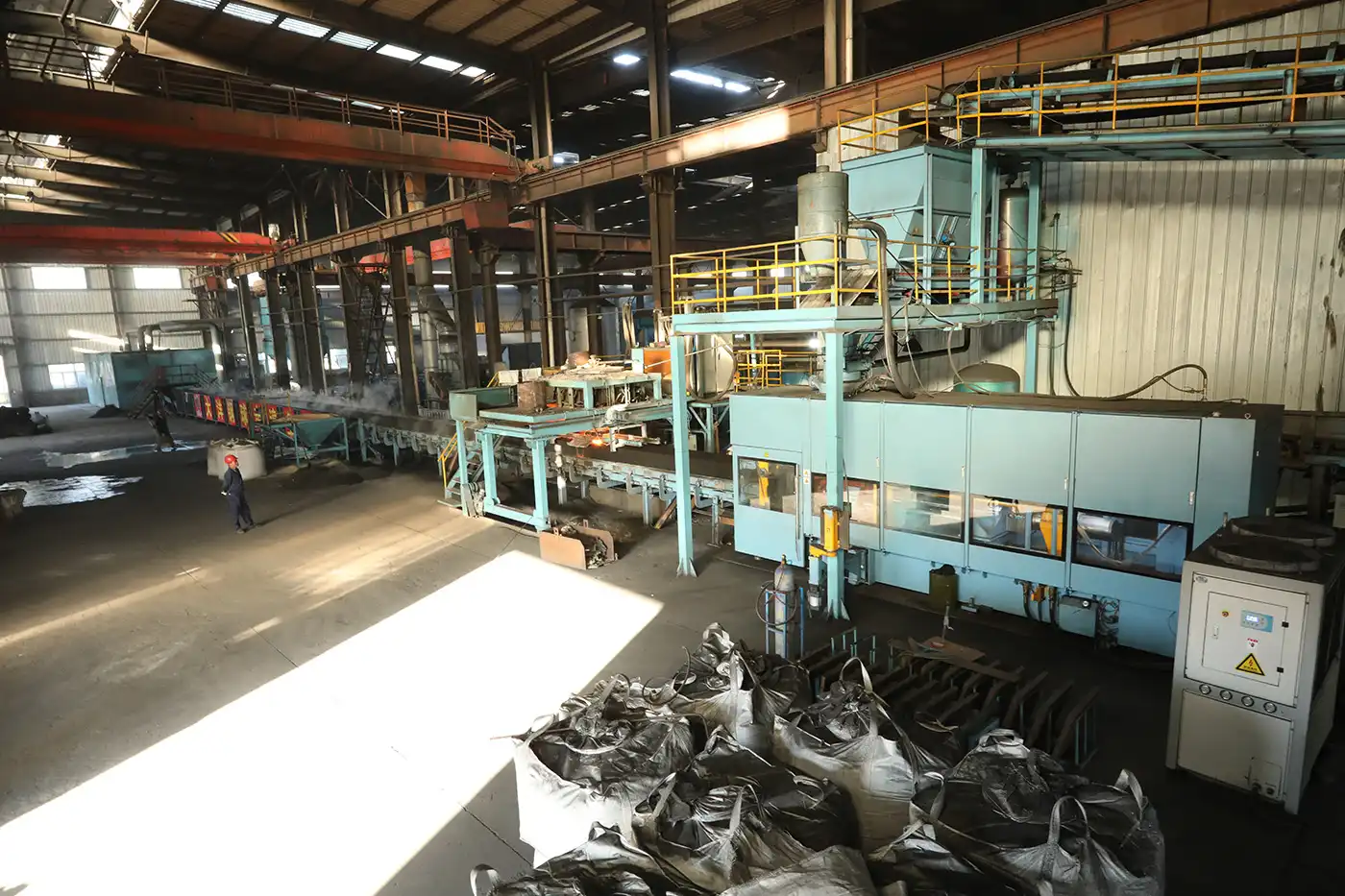
The foundation of any grinding media innovation lies in the materials used. Recent advancements have led to the development of more durable, efficient, and environmentally friendly product options.
Modern metallurgy has paved the way for high-performance alloys that offer superior wear resistance and longevity. These advanced materials, such as high-chrome alloys and specialty steel blends, are revolutionizing the product landscape.
Key benefits of high-performance alloys include:
Ceramic grinding media have seen significant advancements in recent years. New formulations and manufacturing processes have resulted in ceramic media with exceptional hardness, wear resistance, and chemical inertness.
Innovative ceramic materials offer:
The development of composite grinding media has opened up new possibilities for tailored performance. By combining different materials, manufacturers can create the product with optimized properties for specific applications.
Advantages of the composite grinding media include:
Beyond material innovations, new technologies are transforming the way grinding media perform and are utilized in industrial processes.
The integration of sensors and IoT technology into the product is creating new opportunities for process optimization. Smart grinding media can provide real-time data on wear rates, temperature, and grinding efficiency.
Benefits of smart grinding media technology:
Innovative surface treatment techniques are enhancing the performance of traditional materials. These treatments can improve wear resistance, reduce contamination, and optimize grinding efficiency.
Examples of advanced surface treatments include:
Advancements in manufacturing processes are enabling the production of the grinding media with tighter tolerances and more consistent properties. These precision techniques result in higher-quality products that deliver improved performance and reliability.
Benefits of precision manufacturing:
Looking ahead, several emerging trends are poised to reshape the grinding media landscape and drive further innovation in the industry.
As environmental concerns continue to grow, the development of sustainable grinding media options is becoming increasingly important. Future innovations are likely to focus on:
The integration of AI and machine learning technologies is set to revolutionize grinding media selection and optimization. These advanced systems can analyze vast amounts of data to:
The future of the product lies in highly customized solutions tailored to specific applications and industries. This trend towards specialization will likely lead to:
The field of grinding media technology is experiencing a period of rapid innovation and advancement. From new materials and smart technologies to sustainable solutions and AI-driven optimization, these developments are reshaping the industry and offering exciting possibilities for improved efficiency and performance.
As a leading manufacturer of high-quality grinding media, NINGHU remains committed to staying at the forefront of these innovations. By continuously investing in research and development, we strive to provide our customers with the most advanced and effective product solutions available.
A1: New grinding media materials, such as high-performance alloys and advanced ceramics, offer improved hardness, wear resistance, and longevity. These properties contribute to enhanced grinding efficiency by maintaining their shape and size for longer periods, resulting in more consistent particle size reduction and reduced contamination. Additionally, some new materials allow for optimized energy transfer during the grinding process, further improving overall efficiency.
A2: Artificial intelligence is increasingly being used to optimize the product selection and performance. AI algorithms can analyze vast amounts of data from grinding processes to predict the most effective product configurations for specific materials and applications. This technology also enables real-time process optimization, continuous improvement of the product designs, and more accurate quality control measures.
A3: Sustainability in grinding media production is becoming a key focus area for manufacturers. This includes the development of biodegradable products for certain applications, the use of recycled materials in production, and the design of energy-efficient product shapes. Additionally, manufacturers are working to reduce the environmental impact of their production processes and exploring ways to extend the lifespan of the product to minimize waste.
As grinding media changes, NINGHU stays on the cutting edge of new ideas and can meet all of your grinding needs with cutting-edge solutions. As a grinding media supplier, we offer the product that works better and more efficiently because we have a lot of knowledge, are dedicated to quality, and keep spending money on research and development.
Try out the change that cutting-edge grinding media can make in your work. Get in touch with NINGHU right away to find out how our cutting-edge goods can help you improve your grinding processes and move your business forward. Reach out to our expert team at sales@da-yang.com or sunny@da-yang.com to learn more about our product offerings and find the perfect solution for your specific application.
1. Smith, J. et al. (2022). "Advancements in Grinding Media Materials: A Comprehensive Review." Journal of Materials Science and Engineering, 45(3), 278-295.
2. Johnson, L. (2021). "Smart Grinding Media: Integrating IoT for Process Optimization." Industrial Minerals, 18(2), 112-125.
3. Chen, H. and Wong, K. (2023). "Artificial Intelligence in Grinding Media Selection and Optimization." Computational Materials Science, 203, 111-124.
4. Davis, R. (2022). "Sustainable Practices in Grinding Media Production: Current Trends and Future Prospects." Journal of Cleaner Production, 330, 129-142.
5. Thompson, E. et al. (2023). "Advanced Surface Treatments for Enhanced Grinding Media Performance." Surface and Coatings Technology, 448, 128-140.
6. Patel, S. and Lee, Y. (2022). "Precision Manufacturing Techniques in Grinding Media Production: Impact on Performance and Efficiency." International Journal of Advanced Manufacturing Technology, 119(5), 3421-3435.
March 19, 2024
Deployed in a cement clinker grinding mill, these high-chromium cast grinding balls feature stable hardness and low breakage. They help us maintain consistent grinding output and lower long-term consumable costs.
June 24, 2025
Used in a copper-ore wet-grinding ball mill, the grinding balls show durable wear resistance under non-stop 24-hour operation. Stable grinding performance reduces frequent mill inspections for abnormal ball damage.
August 12, 2025
Used in an iron-ore grinding mill, these high-chromium cast grinding balls maintain uniform hardness from batch to batch. They withstand sustained heavy-load impacts well with minimal breakage, and reliable wear performance keeps our throughput steady over long operating cycles.
October 07, 2025
Adopted for a gold-ore grinding mill, these high-chromium cast balls have evenly distributed hardness. They hold up well under complex abrasive conditions, and their consistent wear profile helps us achieve fine, uniform particle size throughout service.
January 15, 2026
Applied in a limestone grinding production line, the cast steel balls perform reliably under fluctuating load conditions. Well-balanced wear characteristics effectively cut down unplanned downtime.