Mold Preparation: Shaping the Future
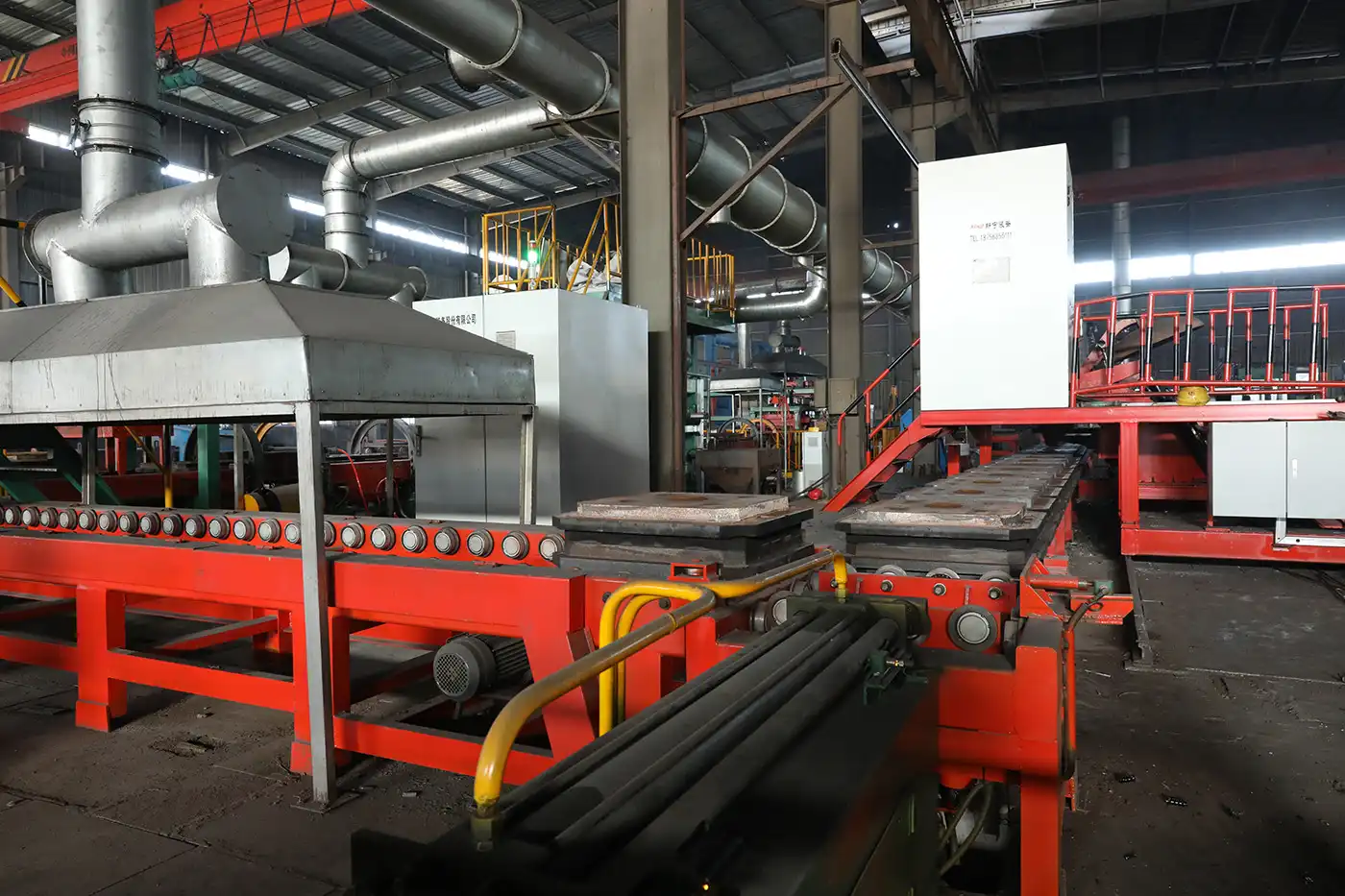
The journey of a high chrome grinding ball begins with the crucial step of mold preparation. This initial phase sets the foundation for the entire casting process and plays a pivotal role in determining the final quality of the product.
Selecting the Right Mold Material
Choosing the appropriate mold material is paramount in the production of high chrome grinding balls. Typically, manufacturers opt for high-quality sand molds due to their excellent thermal properties and ability to withstand the extreme temperatures of molten metal. The sand used in these molds is carefully selected and treated to ensure it can produce balls with precise dimensions and smooth surfaces.
Designing the Mold Cavity
The mold cavity is meticulously designed to match the desired specifications of the high chrome grinding ball. This involves creating a spherical void within the sand mold that will eventually be filled with molten metal. The size and shape of this cavity are crucial, as they directly influence the final dimensions and roundness of the ball.
Incorporating Gating Systems
A well-designed gating system is essential for ensuring that the molten metal flows smoothly into the mold cavity. This system typically includes channels and reservoirs that guide the metal, prevent turbulence, and allow gases to escape. Proper gating design helps minimize defects such as porosity and inclusions, contributing to the overall quality of the cast grinding balls.
Pouring Techniques: Ensuring Uniform Quality
Once the molds are prepared, the next critical stage in the casting process is the pouring of the molten metal. This phase requires precise control and expert handling to achieve consistent, high-quality results.
Melting the High Chrome Alloy
The production of high chrome grinding ball begins with melting the raw materials in a furnace. The alloy composition typically includes a high percentage of chromium (usually between 10-30%), along with carbon and other elements like manganese and silicon. The exact composition is carefully controlled to achieve the desired hardness, wear resistance, and impact strength in the final product.
Temperature Control During Pouring
Maintaining the correct temperature during the pouring process is crucial for producing high-quality grinding balls. If the temperature is too low, the metal may not flow properly, leading to incomplete mold filling or cold shuts. Conversely, if the temperature is too high, it can result in excessive shrinkage or the formation of unwanted phases in the microstructure. Expert grinding ball suppliers like NINGHU utilize advanced temperature monitoring systems to ensure precise control throughout the pouring process.
Pouring Rate and Technique
The rate at which the molten metal is poured into the mold can significantly impact the quality of the final product. A steady, controlled pour helps prevent turbulence and ensures that the metal fills the mold cavity uniformly. Skilled operators use various techniques, such as bottom pouring or the use of ladles with flow control mechanisms, to achieve optimal results.
Inoculation and Modification
In some cases, additional elements may be added to the molten metal just before or during pouring. This process, known as inoculation or modification, can help control the microstructure of the solidifying metal, improving properties such as hardness and wear resistance. The timing and method of these additions are critical and require considerable expertise to execute correctly.
Cooling Strategies: Controlling Final Properties
The cooling phase is a critical stage in the production of high chrome grinding balls, as it significantly influences the final mechanical properties and microstructure of the product.
Controlled Cooling Rates
The rate at which the cast grinding balls cool can have a profound impact on their final properties. Rapid cooling can result in increased hardness but may also lead to internal stresses and potential cracking. On the other hand, slow cooling allows for a more uniform structure but may reduce overall hardness. Grinding ball suppliers like NINGHU carefully control the cooling rate to achieve the optimal balance of properties for each specific application.
Heat Treatment Processes
After the initial solidification, high chrome grinding balls often undergo various heat treatment processes to further enhance their properties. These may include:
- Annealing: To relieve internal stresses and improve machinability
- Quenching: To increase hardness and wear resistance
- Tempering: To balance hardness with toughness and reduce brittleness
The specific heat treatment regimen is tailored to achieve the desired combination of hardness, toughness, and wear resistance for the intended application of the grinding balls.
Surface Treatment and Finishing
Once the cooling and heat treatment processes are complete, the high chrome grinding balls may undergo additional surface treatments to enhance their performance. These can include:
- Shot blasting: To remove any remaining sand or scale from the casting process
- Polishing: To achieve a smooth surface finish, which can improve grinding efficiency
- Coating: In some cases, specialized coatings may be applied to further enhance wear resistance or provide additional functionality
These finishing steps ensure that the grinding balls meet the exacting standards required for optimal performance in various industrial applications.
Quality Control: Ensuring Excellence
Throughout the casting process, rigorous quality control measures are implemented to ensure that each high chrome grinding ball meets the highest standards of quality and performance.
Material Composition Analysis
Regular testing of the alloy composition is conducted to verify that the correct proportions of chromium and other elements are maintained. This is typically done using spectrometric analysis or other advanced testing methods.
Dimensional Inspection
Each batch of grinding balls undergoes thorough dimensional inspection to ensure they meet the specified size tolerances. This includes checks for roundness, diameter consistency, and surface finish.
Hardness Testing
Hardness tests, such as Rockwell or Brinell hardness measurements, are performed on sample balls from each batch to verify that they meet the required hardness specifications.
Microstructure Examination
Metallographic analysis is conducted on sample balls to examine the microstructure, ensuring the proper formation of carbides and other phases that contribute to the balls' wear resistance and overall performance.
Performance Testing
Some grinding ball suppliers, including NINGHU, conduct performance tests that simulate actual grinding conditions. These tests help verify the wear resistance and impact strength of the balls under conditions similar to those they will encounter in real-world applications.
Environmental Considerations in Casting
As the industry evolves, there's an increasing focus on making the casting process for high chrome grinding balls more environmentally friendly and sustainable.
Energy Efficiency Measures
Modern casting facilities are implementing various energy-saving technologies to reduce their carbon footprint. This includes the use of more efficient furnaces, heat recovery systems, and optimized production schedules to minimize energy consumption.
Waste Reduction and Recycling
Efforts are being made to reduce waste in the casting process and increase the recycling of materials. This includes:
- Reclaiming and reusing sand from molds
- Recycling metal scrap and off-spec castings
- Implementing closed-loop water systems to minimize water usage and contamination
Use of Alternative Materials
Research is ongoing into the development of alternative alloy compositions that maintain the performance characteristics of high chrome grinding balls while potentially reducing environmental impact or improving recyclability.
Innovations in Casting Technology
The field of casting technology for high chrome grinding balls is continuously evolving, with new innovations emerging to improve quality, efficiency, and sustainability.
Advanced Simulation Software
State-of-the-art computer simulation software is being used to model the casting process, allowing manufacturers to optimize mold design, pouring techniques, and cooling strategies before actual production begins. This helps reduce defects and improve overall quality.
Automated Pouring Systems
Robotic and automated pouring systems are being developed to enhance precision and consistency in the casting process. These systems can control pouring rate and temperature with a high degree of accuracy, leading to more uniform product quality.
In-line Quality Monitoring
Advanced sensors and monitoring systems are being integrated into the production line to provide real-time data on various parameters such as temperature, composition, and cooling rate. This allows for immediate adjustments to be made during the casting process, ensuring consistent quality.
Conclusion
The casting of high chrome grinding balls is a complex process that requires a deep understanding of metallurgy, precision engineering, and quality control. From the initial mold preparation to the final cooling and finishing stages, each step plays a crucial role in producing grinding media that can withstand the demanding conditions of industrial grinding operations.
As a leading grinding ball supplier, NINGHU has honed its expertise in this field over decades, consistently delivering high-quality products that meet the exacting standards of various industries. Our commitment to innovation, quality, and customer satisfaction has established us as a trusted partner for businesses seeking reliable and efficient grinding solutions.
Ready to Elevate Your Grinding Process?
Here at NINGHU, we can assist you if you are seeking to improve your grinding operations by using high chrome grinding balls. Based on your unique needs and the demands of your sector, our team of specialists can give you tailored advice. Contact us today at sales@da-yang.com or sunny@da-yang.com to discuss how our premium grinding media can optimize your processes and boost your productivity.