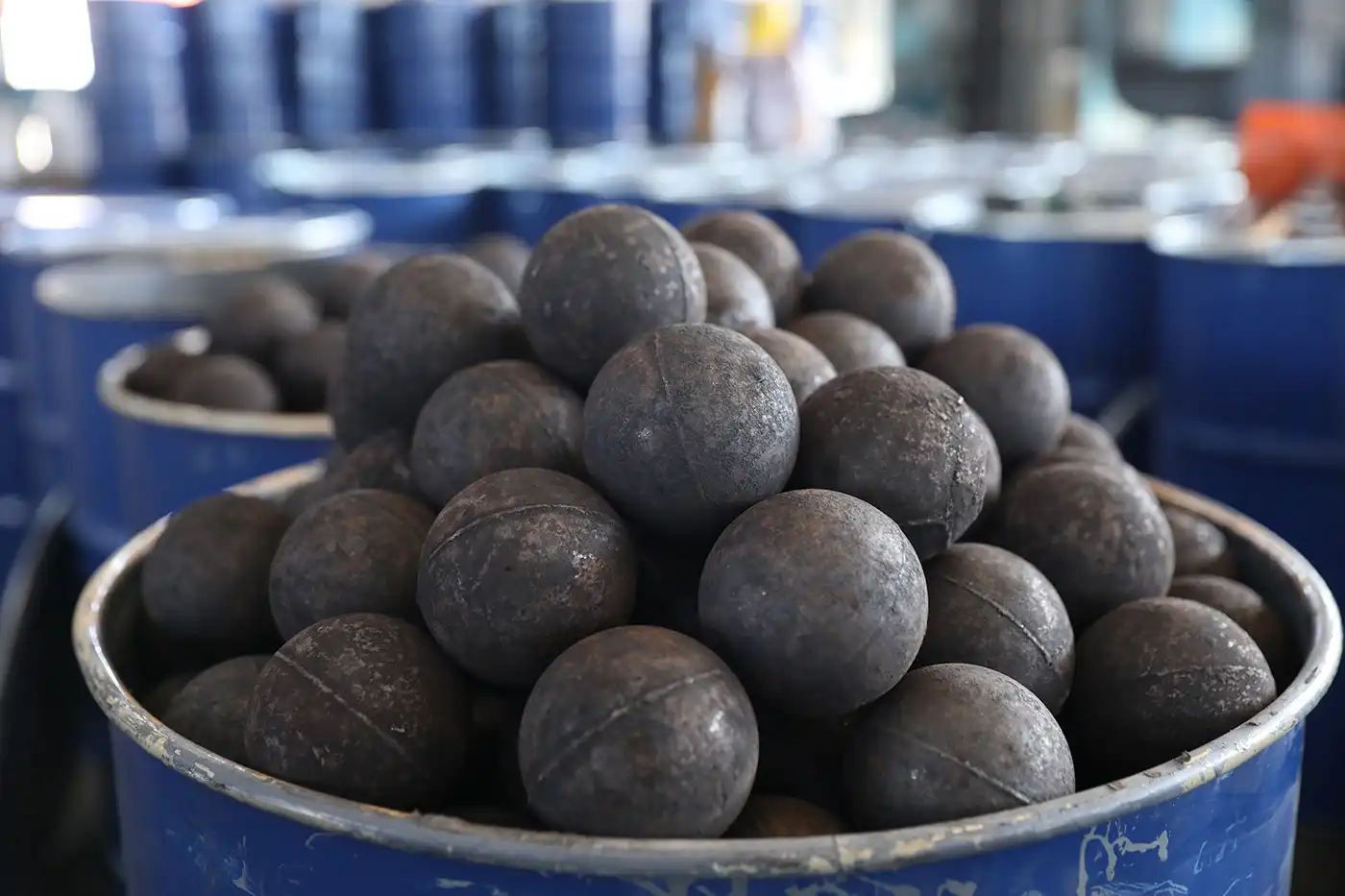
Hardness vs. Wear Resistance: Finding Balance
The hardness of grinding media balls is directly correlated with their wear resistance, which in turn affects their longevity and performance in grinding operations. However, the relationship between hardness and wear resistance is not always straightforward, and finding the right balance is crucial for maximizing efficiency.
The Correlation Between Hardness and Wear Resistance
Generally, harder grinding media balls exhibit higher wear resistance. This means they maintain their shape and size for longer periods during the grinding process, resulting in more consistent performance over time. The increased durability of harder balls can lead to reduced replacement frequency and lower operational costs.
However, extremely hard grinding media may become brittle, increasing the risk of fracturing under high-impact conditions. This can lead to premature failure and contamination of the ground material, potentially compromising the quality of the final product.
Optimizing Hardness for Different Materials
The optimal hardness of grinding media balls varies depending on the material being ground. Softer materials may require less hard grinding media to prevent over-grinding or contamination. Conversely, harder materials necessitate grinding media with higher hardness to ensure effective size reduction.
For example, in cement production, relatively hard grinding media are preferred due to the abrasive nature of clinker and raw materials. In contrast, softer grinding media might be more suitable for processing softer minerals or organic materials to prevent excessive wear and maintain product purity.
Impact on Grinding Time and Energy Consumption
The hardness of grinding media balls significantly influences the efficiency of the grinding process, particularly in terms of grinding time and energy consumption. Understanding these impacts is crucial for optimizing milling operations and reducing operational costs.
Grinding Time Efficiency
Harder grinding media typically result in faster grinding times, especially when processing hard materials. The increased hardness allows for more efficient energy transfer to the material being ground, leading to quicker size reduction. This can translate to higher throughput rates and improved overall productivity in grinding operations.
However, it's important to note that excessively hard grinding media may not always lead to faster grinding times. In some cases, especially with softer materials, overly hard media can cause caking or agglomeration, potentially increasing grinding time and reducing efficiency.
Energy Consumption Considerations
The hardness of grinding media balls also affects the energy consumption of milling processes. Harder balls generally require less energy to achieve the same level of size reduction compared to softer alternatives. This is primarily due to their ability to maintain their shape and size, ensuring consistent energy transfer throughout the grinding process.
However, the relationship between hardness and energy consumption is not always linear. In some cases, using slightly softer grinding media can lead to better energy efficiency by promoting a more optimal grinding environment within the mill. This highlights the importance of carefully selecting the appropriate hardness based on specific operational requirements and material characteristics.
Choosing the Right Hardness for Your Application
Selecting the optimal hardness for grinding media balls is a critical decision that can significantly impact the efficiency and effectiveness of your grinding operations. This choice depends on various factors and requires a thorough understanding of your specific application requirements.
Factors Influencing Hardness Selection
Several key factors should be considered when choosing the hardness of grinding media:
- Material Properties: The hardness and abrasiveness of the material being ground are primary considerations. Harder materials typically require grinding media with higher hardness to ensure effective size reduction.
- Mill Type: Different mill types (e.g., ball mills, rod mills, SAG mills) may have varying requirements for grinding media hardness based on their operational characteristics.
- Operational Parameters: Factors such as mill speed, ball charge, and slurry density can influence the optimal hardness of grinding media.
- Product Specifications: The desired fineness of the final product and any contamination constraints may dictate the choice of grinding media hardness.
- Economic Considerations: While harder grinding media may offer longer wear life, they often come at a higher initial cost. Balancing longevity with acquisition costs is crucial for optimizing overall operational efficiency.
Testing and Optimization
Given the complexity of factors influencing grinding media performance, conducting tests and ongoing optimization is essential for achieving the best results. This may involve:
- Pilot Testing: Conducting small-scale tests with different hardness grades of grinding media to assess performance under specific operational conditions.
- Wear Rate Analysis: Regularly monitoring the wear rates of grinding media to determine their effectiveness and longevity in your specific application.
- Performance Metrics: Tracking key performance indicators such as throughput, energy consumption, and product quality to evaluate the impact of different hardness grades.
- Continuous Improvement: Implementing a process of continuous evaluation and adjustment to optimize grinding media selection over time as operational conditions or requirements change.
By carefully considering these factors and engaging in ongoing optimization, you can select the most appropriate hardness for your grinding media balls, maximizing efficiency and productivity in your grinding operations.
Conclusion
The effectiveness of grinding operations in different sectors is significantly influenced by the hardness of grinding media ball. In order to maximize milling operations, operators need to comprehend the complex interplay between hardness, wear resistance, grinding time, and energy consumption.
There is no magic formula for choosing the optimal hardness of grinding medium. Material qualities, operating aspects, and financial considerations must all be carefully considered. Industries can find the sweet spot, increasing production while decreasing costs, via exhaustive testing and continual improvement.
Grinder media are always changing as a result of new materials and technological developments. To stay ahead in today's industrial world, it's important to keep up with the newest trends and best practices when it comes to grinding media selection.
For more information on selecting the optimal grinding media for your specific application, or to discuss how our high-quality grinding media solutions can enhance your operations, please don't hesitate to contact us at sales@da-yang.com or sunny@da-yang.com. Our team of experts is ready to assist you in optimizing your grinding processes for maximum efficiency and productivity.
References
1. Johnson, M. (2020). The Impact of Grinding Media Hardness on Milling Efficiency. Journal of Mineral Processing, 45(3), 278-292.
2. Zhang, L., & Chen, X. (2019). Optimization of Grinding Media Selection for Various Mineral Processing Applications. Mining Engineering Review, 32(2), 115-130.
3. Smith, R. A. (2021). Energy Consumption Patterns in Ball Milling: The Role of Media Hardness. International Journal of Mineral Processing, 158, 45-62.
4. Brown, K. L., & Davis, E. M. (2018). Wear Resistance and Longevity of Grinding Media: A Comparative Study. Materials Science and Technology, 29(4), 502-518.
5. Thompson, J. R. (2022). Advancements in Grinding Media Materials: Balancing Hardness and Performance. Industrial Minerals, 56(7), 82-97.
6. Lee, S. H., & Park, Y. J. (2020). The Influence of Grinding Media Hardness on Product Quality in Cement Production. Cement and Concrete Research, 130, 105988.