March 19, 2024
Deployed in a cement clinker grinding mill, these high-chromium cast grinding balls feature stable hardness and low breakage. They help us maintain consistent grinding output and lower long-term consumable costs.
Mar 17, 2025
In the cement industry, grinding media balls play a crucial role in the production process. These cement grinding media balls are essential components in ball mills, where they crush and grind raw materials into fine particles. To ensure optimal performance and longevity of your grinding media, it's important to follow best practices for their use and maintenance. In this article, we'll explore key tips for effectively using cement grinding media balls, including maintenance strategies, wear reduction techniques, and cost optimization methods.
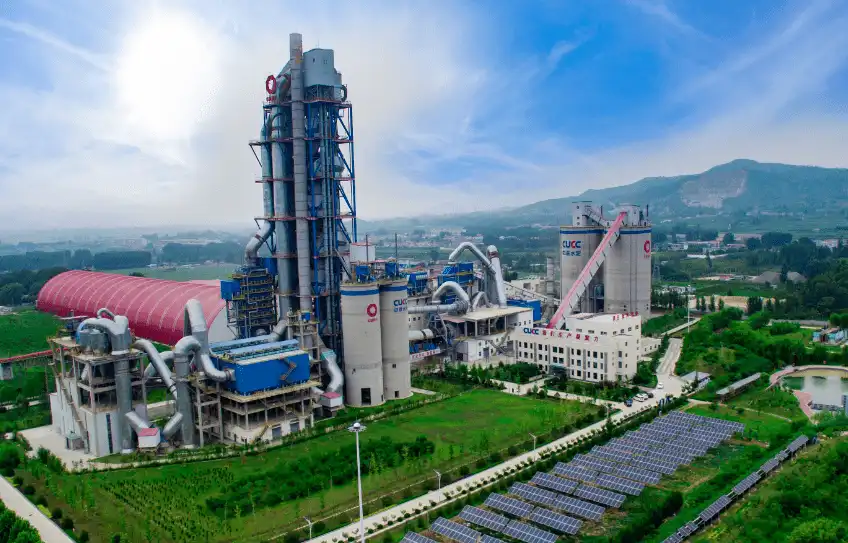
Proper maintenance of grinding media balls is vital for ensuring their longevity and optimal performance in cement production. Here are some essential practices to keep in mind:
Conduct routine inspections of your grinding media balls to identify any signs of wear or damage. Sort the balls based on their condition, removing those that are excessively worn or deformed. This practice helps maintain consistent grinding performance and prevents potential damage to your mill.
When not in use, store your cement grinding media balls in a dry, clean environment. Exposure to moisture or contaminants can lead to corrosion or degradation of the balls' surface, affecting their performance and lifespan.
Regularly clean your grinding media balls to remove any buildup of cement or other materials. This can be done using appropriate cleaning solutions or mechanical methods. Proper cleaning ensures optimal grinding performance and prevents contamination of the cement product.
When refilling your ball mill, ensure a balanced distribution of grinding media balls. This helps maintain uniform grinding action and prevents localized wear on the mill's interior.
Minimizing wear and tear on your cement grinding media balls is crucial for extending their lifespan and maintaining consistent grinding performance. Consider the following strategies:
Choose the appropriate size of grinding media balls for your specific application. Larger balls are generally more effective for coarse grinding, while smaller balls are better suited for fine grinding. Using the right size can reduce unnecessary wear and improve grinding efficiency.
Select grinding media balls made from materials that are suitable for your specific cement grinding requirements. High-chromium steel balls, for example, offer excellent wear resistance and are well-suited for cement applications.
Operate your ball mill at the optimal speed to achieve the desired grinding action while minimizing excessive wear. Running the mill too fast can lead to increased wear and energy consumption without improving grinding efficiency.
Ensure proper lubrication of your ball mill to reduce friction and wear on both the grinding media and the mill components. This can significantly extend the lifespan of your grinding media balls.
Maintain consistent feed material characteristics, such as particle size and hardness. Sudden changes in feed material properties can lead to increased wear on the grinding media.
Efficient use of cement grinding media balls can lead to significant cost savings in cement production. Here are some strategies to optimize your grinding media usage:
Implement a system to accurately track the consumption of grinding media balls. This data can help you identify trends, predict replacement needs, and optimize your inventory management.
Instead of completely replacing the entire ball charge at once, adopt a gradual replenishment strategy. This approach ensures a mix of new and partially worn balls, maintaining consistent grinding performance while extending the overall lifespan of your grinding media.
Maintain the optimal ball charge volume in your mill. Overcharging can lead to inefficient grinding and increased wear, while undercharging may result in reduced grinding capacity. Regular monitoring and adjustment of the ball charge volume can improve efficiency and reduce costs.
Maintain an appropriate ball-to-powder ratio in your mill. This ratio affects grinding efficiency and can impact the wear rate of your grinding media. Optimizing this ratio can lead to improved performance and reduced media consumption.
Consider alternative grinding media options, such as high-performance alloys or ceramic balls, which may offer improved wear resistance and longer lifespans. While these options may have higher initial costs, they can lead to long-term savings through reduced consumption and maintenance needs.
Conduct regular performance analyses of your grinding process, including factors such as energy consumption, product fineness, and throughput. Use this data to identify opportunities for optimization and make informed decisions about grinding media usage.
By implementing these essential tips for using cement grinding media balls, you can significantly improve the efficiency and cost-effectiveness of your cement grinding operations. Regular maintenance, wear reduction strategies, and optimization techniques will help you maximize the lifespan of your grinding media while ensuring consistent, high-quality cement production.
At NINGHU, we specialize in providing high-quality grinding media solutions for the cement industry. Our expertise in wear-resistant materials and commitment to innovation ensures that we can offer you the best grinding media options for your specific needs.
Take the next step towards optimizing your cement grinding process. Contact NINGHU today at sales@da-yang.com or sunny@da-yang.com to discuss how our high-quality grinding media solutions can enhance your production efficiency and reduce costs. Let us help you achieve superior grinding performance and consistency in your cement manufacturing operations.
March 19, 2024
Deployed in a cement clinker grinding mill, these high-chromium cast grinding balls feature stable hardness and low breakage. They help us maintain consistent grinding output and lower long-term consumable costs.
June 24, 2025
Used in a copper-ore wet-grinding ball mill, the grinding balls show durable wear resistance under non-stop 24-hour operation. Stable grinding performance reduces frequent mill inspections for abnormal ball damage.
August 12, 2025
Used in an iron-ore grinding mill, these high-chromium cast grinding balls maintain uniform hardness from batch to batch. They withstand sustained heavy-load impacts well with minimal breakage, and reliable wear performance keeps our throughput steady over long operating cycles.
October 07, 2025
Adopted for a gold-ore grinding mill, these high-chromium cast balls have evenly distributed hardness. They hold up well under complex abrasive conditions, and their consistent wear profile helps us achieve fine, uniform particle size throughout service.
January 15, 2026
Applied in a limestone grinding production line, the cast steel balls perform reliably under fluctuating load conditions. Well-balanced wear characteristics effectively cut down unplanned downtime.